

JHS Pedals Coyote Octave Fuzz Effect Pedal
Pairs well with
JHS Pedals Coyote Octave Fuzz Effect Pedal
Description
Quick Product Summary
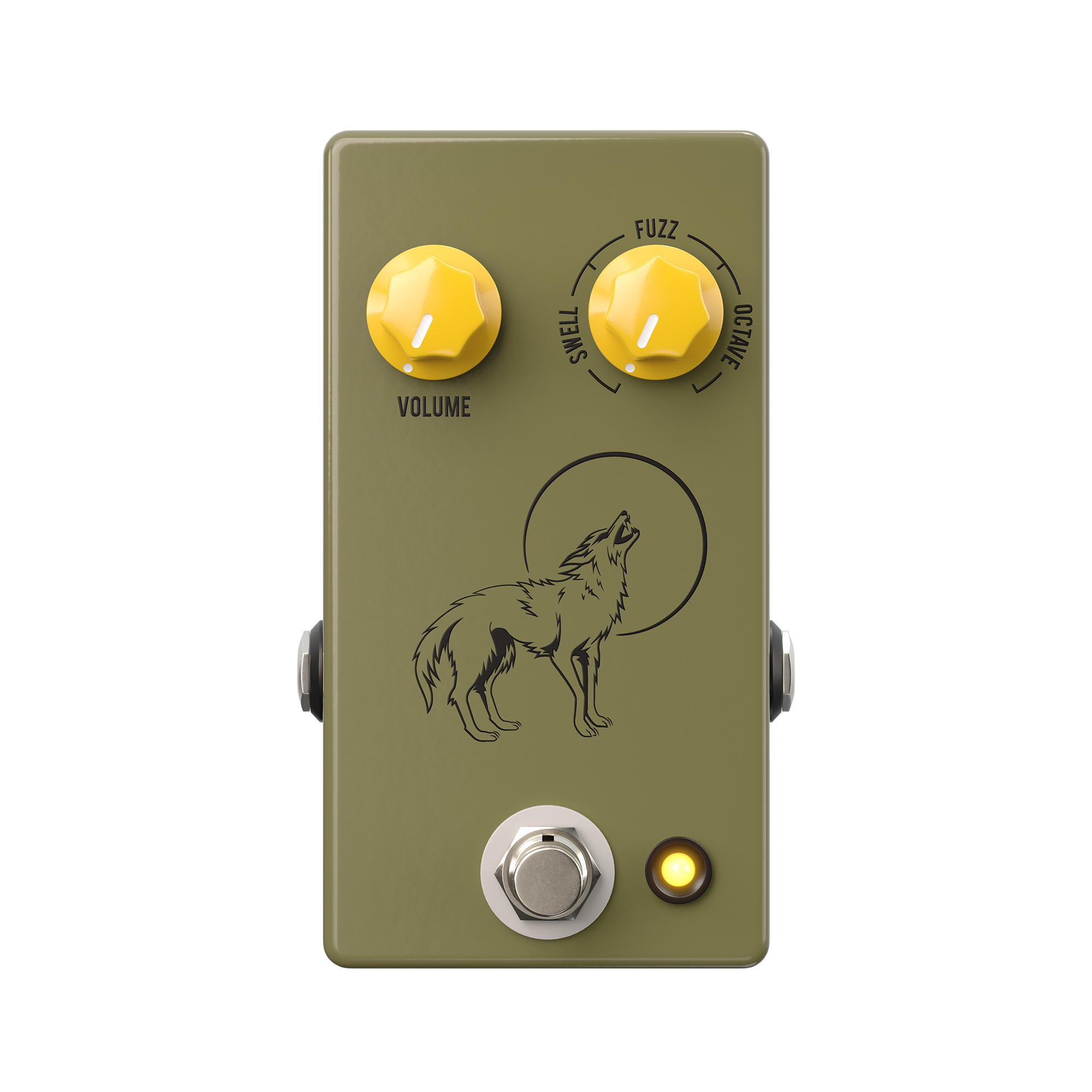
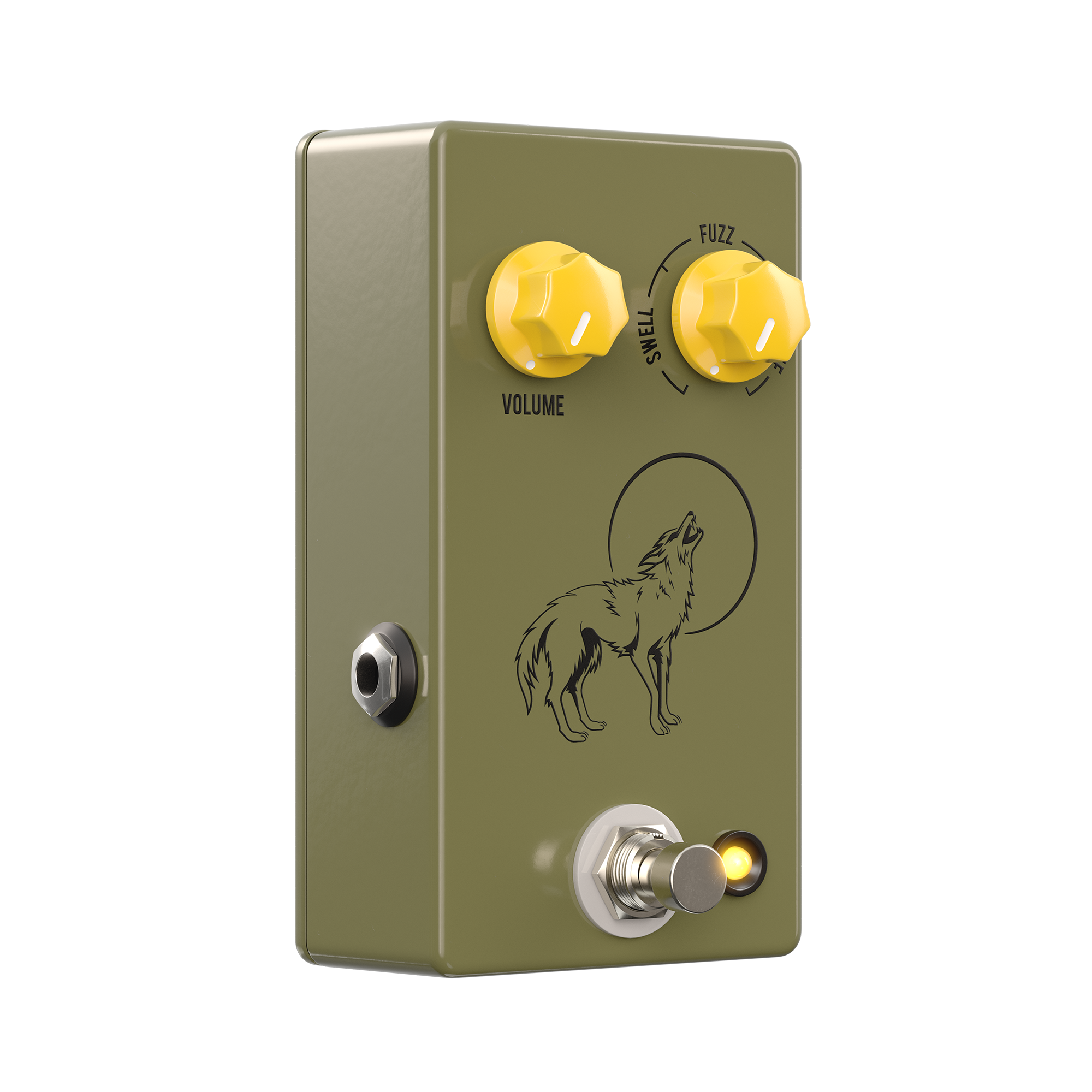
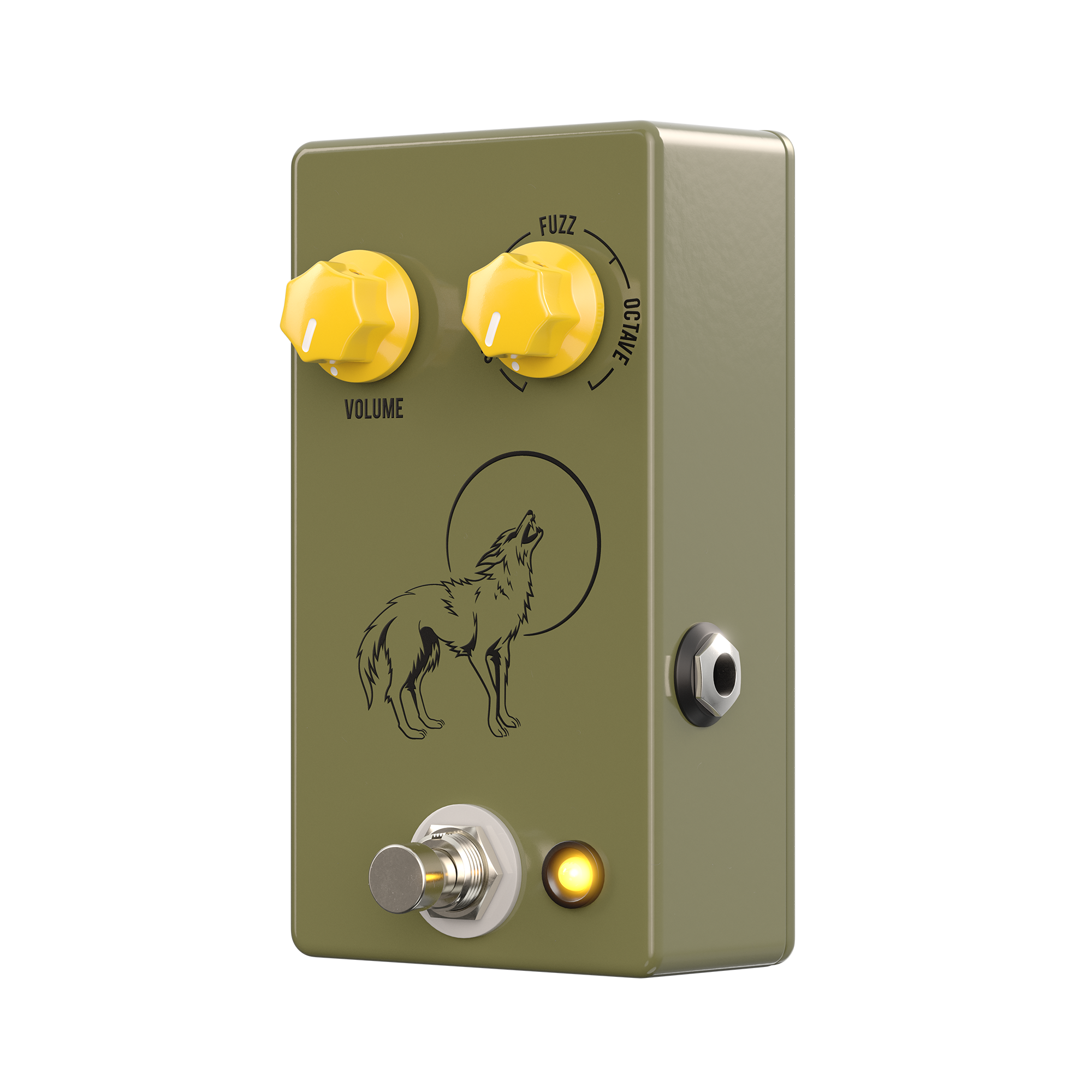
The JHS Pedals Coyote Fuzz is an unusual octave fuzz built around a rare circuit design that sits outside the familiar Octavia, Super Fuzz and Tone Machine family trees. Instead of giving you a conventional fuzz control and separate octave switch, its central Swell / Fuzz / Octave control moves continuously through three distinct areas of sound: blooming gated swells, full-bodied fuzz and aggressive octave-up harmonics.
Based on Glenn S. Wyllie’s obscure Moonrock Fuzz, the Coyote is aimed at players who already know what conventional fuzz sounds like and want something more reactive, unpredictable and characterful. Its simple two-knob layout hides an impressive range of textures, while strong response to picking dynamics and guitar-volume changes makes it particularly expressive under the fingers.
At A Glance
| Feature | Details |
|---|---|
| Brand | JHS Pedals |
| Model | Coyote |
| Product Type | Octave fuzz guitar effects pedal |
| Condition | New |
| Main Appeal | Swell, fuzz and octave-up textures within one continuous control |
| Circuit Inspiration | Glenn S. Wyllie Moonrock Fuzz |
| Best For | Psychedelic rock, garage, blues-rock, shoegaze, doom and experimental guitar |
| Character | Dynamic, aggressive, unusual and highly interactive |
What's Included?
-
✓ 1 x JHS Pedals Coyote Fuzz Pedal
-
✘ Power supply not included
Fair Deal Quality Control Assessment
New effects pedals supplied by Fair Deal Music are checked with practical musicianship in mind. Key controls, switching and general signal operation are assessed so the pedal is ready to become part of a working guitar rig rather than simply another box on the pedalboard.
The Coyote is an intentionally characterful fuzz, so blooming attacks, gated textures and changes in response as the main control is moved are part of its design rather than signs of conventional pedal behaviour.
Why Choose The JHS Pedals Coyote Fuzz?
Three Different Fuzz Textures From One Control
The heart of the Coyote is its Swell / Fuzz / Octave knob. Turned towards the lower end, notes develop a gated, blooming attack with an almost reversed character. Around the middle, the sound becomes a rich, forceful fuzz. Push further clockwise and the circuit emphasises aggressive octave-up harmonics.
An Octave Fuzz With A Different Heritage
Most famous octave fuzz designs can be traced back to a small group of classic circuits. The Coyote takes another route entirely, recreating the unusual Moonrock Fuzz designed by Glenn S. Wyllie. That makes it particularly appealing to fuzz enthusiasts who already own the obvious classics.
Highly Responsive To The Player
This is not simply a pedal where you find one setting and leave it there. Picking strength and guitar-volume changes can significantly alter its behaviour, giving expressive players much more control directly from the instrument.
Simple Controls Without A Simple Sound
There are only two main controls to understand, so the Coyote is quick to get around. The complexity comes from the interaction between the guitar, your playing dynamics and the continuously variable fuzz circuit rather than from menus, switches or rows of knobs.
JHS Coyote vs Popular Fuzz Pedal Alternatives
JHS Coyote vs JHS 3 Series Fuzz
The JHS 3 Series Fuzz is the better option if you want a straightforward modern fuzz with dedicated fuzz and bias adjustment plus a bass-enhancing Fat switch. Choose the Coyote instead if unusual dynamics, octave harmonics and swelling textures are more important than conventional fuzz control.
JHS Coyote vs JHS Cheese Ball
The JHS Cheese Ball offers a broader selection of recognisable fuzz and distortion voicings through its four-position mode selector and conventional Volume, Gain and Tone arrangement. The Coyote is less traditional and more interactive, making it better suited to players looking for one distinctive circuit rather than multiple tonal presets.
JHS Coyote vs Electro-Harmonix Octavix
The EHX Octavix approaches octave fuzz more traditionally, providing dedicated Volume, Boost and Octave controls so you can independently balance the fuzz and upper octave. The Coyote is the more unconventional choice, using one continuous control to move through completely different behaviours rather than simply blending octave with fuzz.
JHS Coyote vs JHS Muffuletta
The JHS Muffuletta is designed for players exploring different generations of Big Muff-style sustain and saturation. It offers multiple Muff-derived circuits and is the stronger option for smooth sustain, large rhythm sounds and classic Muff flavours. The Coyote has a rawer, more dynamic personality and focuses on interaction, gating and octave-up harmonics instead.
Who Is The JHS Coyote Fuzz For?
The Coyote is a particularly strong choice for guitarists who:
-
Already own a conventional fuzz and want something genuinely different
-
Enjoy controlling pedals through picking dynamics and guitar-volume changes
-
Want octave-up fuzz without simply buying another traditional Octavia-style circuit
-
Play psychedelic rock, garage rock, blues-rock, shoegaze, doom or experimental music
-
Like fuzz pedals that can behave unpredictably and become part of the performance
-
Prefer simple control layouts with plenty of depth beneath the surface
Looking for advice on choosing the right fuzz pedal, octave fuzz or gain-stage combination? Our experienced team of musicians can help by phone, online or in our Birmingham showroom.
Playing Styles & Applications
Psychedelic and experimental guitar: The transition between blooming swell effects and aggressive octave textures makes the Coyote especially useful when standard distortion sounds feel too predictable.
Garage and alternative rock: Move towards the central fuzz area for a rough, substantial drive sound capable of bringing plenty of character to riffs and chords.
Blues-rock leads: The pedal's dynamic response and octave-rich upper settings work particularly well when the guitar itself is being used to control gain and intensity.
Shoegaze and heavier textures: Feed the Coyote into additional gain for dense, layered walls of fuzz or use its more gated settings to introduce unusual attack characteristics.
Studio sound design: Because small changes in playing strength and control position can produce noticeably different responses, the Coyote can be a useful source of less conventional guitar textures when recording.
What Makes The JHS Coyote Different From A Traditional Octave Fuzz?
Classic octave fuzz pedals commonly use circuitry descended from designs such as the Octavia, Super Fuzz or Foxx Tone Machine. The Coyote instead recreates Glenn S. Wyllie's Moonrock Fuzz, including an unconventional use of a transformer within the circuit. Crucially, that transformer is not simply performing the same octave-generation role associated with other classic designs.
The result is a pedal where the upper octave is only one part of the experience. Moving through the main control also changes the attack and fuzz behaviour, allowing the Coyote to move from blooming gated sounds through conventional fuzz territory and finally towards a much more pronounced octave-up response.
Story & Context
The story behind the Coyote begins with American pedal builder Glenn S. Wyllie, who created the exceptionally rare Moonrock Fuzz. Wyllie built pedals on a very small scale rather than establishing the kind of mass-production operation associated with the major effects brands.
His approach to the Moonrock was unconventional. The circuit employed a transformer in an unusual part of the design, contributing to its distinctive response rather than following the architecture of the better-known vintage octave fuzz families.
Wyllie continued building pedals until his death in 2014. JHS later studied the Moonrock circuit and brought its design into regular production as the Coyote, introducing a previously obscure approach to fuzz to guitarists who would otherwise have little realistic chance of encountering an original.
That history is an important part of the Coyote's appeal. This isn't simply another modern variation of an already familiar fuzz circuit; it preserves an unusual idea from an independent builder whose work remained largely outside mainstream pedal production.
Technical Specifications
| Specification | Details |
|---|---|
| Product Type | Octave fuzz effects pedal |
| Circuit Basis | Recreation of the G.S. Wyllie Moonrock Fuzz |
| Controls | Volume, Swell / Fuzz / Octave |
| Bypass | True bypass |
| Power Requirement | 9V DC centre negative |
| Current Draw | 5mA |
| Dimensions | 2.6" x 4.8" x 1.6" |
Power Requirements
The JHS Coyote requires a regulated 9V DC centre-negative power supply and draws approximately 5mA.
Do not operate the Coyote above 9V DC. JHS specifically warns that using a higher voltage can damage the pedal.
Fair Deal Music Verdict 🎵
★★★★★ 5/5
The JHS Pedals Coyote earns its place by doing something genuinely different within a category packed with variations of the same famous circuits. It can deliver a substantial standalone fuzz sound, but its real attraction is the journey from unusual gated swells to harmonically aggressive octave fuzz.
For players who already have a conventional fuzz covered, the Coyote offers particularly strong value because it adds textures their existing pedal is unlikely to reproduce.
Best suited for: Players who enjoy expressive, unusual and vintage-inspired fuzz sounds.
Customers usually upgrade from: Straightforward single-voice fuzz pedals when they want a more interactive and distinctive effect.
Most commonly paired with: An overdrive pedal or an amplifier already beginning to break up.
Our tip: For the strongest octave effect, try the neck pickup and play higher up the fretboard. Then experiment with the guitar's volume control rather than leaving it permanently wide open.
Showroom feedback: The quickest way to understand the Coyote is to move the Swell / Fuzz / Octave control slowly while varying your picking strength. It reveals far more range than the simple two-knob layout initially suggests.
Why Buy From Fair Deal Music?
When you buy from Fair Deal Music, you're choosing one of the UK's most established, independent family run music retailers since 1987.
Our team includes knowledgeable musicians who understand how effects pedals behave as part of a complete guitar rig, so we're happy to help whether you're choosing your first fuzz pedal or searching for something unusual to add to a carefully built pedalboard.
When you shop with Fair Deal Music, you can buy with confidence thanks to:
-
Expert advice from knowledgeable musicians
-
Carefully checked new, used, pre-owned and ex-display equipment
-
Competitive prices on leading music brands
-
Secure online ordering
-
UK-wide delivery
-
Friendly support before and after your purchase
-
A large Birmingham showroom where you can speak to our experienced team
Trade In. Trade Up. Save More.
Thinking about upgrading? Your next piece of gear could cost less than you think.
We're always happy to consider part exchanges and trade-ins on a wide range of musical instruments and equipment. Whether you're looking to upgrade your guitar, keyboard, amplifier, drum kit or studio gear, your existing equipment could help reduce the cost of your next purchase.
Simply get in touch with our team for a no-obligation valuation, and we'll be happy to discuss the options available.
It's an easy way to unlock the value of the gear you no longer use while making your next piece of equipment even more affordable.
Frequently Asked Questions
Where should I place the JHS Coyote in my pedal chain?
JHS recommends trying the Coyote first in the signal chain, where it can interact directly with the guitar. From there, running it into an overdrive pedal or an amplifier with some natural breakup can produce particularly effective octave-fuzz tones.
How do I make the octave-up effect more pronounced?
Move the Swell / Fuzz / Octave control towards its clockwise end and try playing with the neck pickup above the twelfth fret. This helps the upper-octave harmonic become more obvious.
Does the Coyote work with both single-coil and humbucker guitars?
Yes. Single coils can give the effect extra clarity, while humbuckers drive the circuit harder and can emphasise its swelling and octave characteristics. The interaction between guitar and pedal is an important part of the design.
Can the JHS Coyote be used for chords?
Yes. Around the central fuzz area, the pedal produces a fuller fuzz texture that can work effectively with riffs and chord playing rather than being restricted to octave-fuzz lead lines.
Does the Coyote work through a clean amplifier?
Yes, although adding some drive after the pedal can produce a more familiar vintage octave-fuzz response. A clean amplifier can emphasise the raw character of the pedal, while an overdriven amp or downstream drive can make the sound thicker and more integrated.
Is the JHS Coyote a good first fuzz pedal?
It can be, particularly if you enjoy experimenting, but it is deliberately less conventional than many beginner fuzz pedals. Players wanting a straightforward, predictable fuzz may prefer something like the JHS 3 Series Fuzz, while the Coyote is better suited to anyone attracted to dynamic, unusual sounds.
Is the Coyote only useful for vintage-style guitar tones?
No. Its heritage is vintage-inspired, but the gated swells, abrasive harmonics and changing attack characteristics can work especially well in modern alternative, shoegaze, doom and experimental setups.
If you've already explored conventional fuzz pedals and want a circuit with its own personality, the JHS Pedals Coyote Fuzz is a compelling addition to the pedalboard. Its deceptively simple controls reward experimentation, making it equally useful for classic octave-fuzz leads and much stranger textures.
If you have any questions, you are always welcome to contact us. We'll get back to you as soon as possible, within 24 hours on weekdays.
-
Shipping Information
Use this text to answer questions in as much detail as possible for your customers.
-
Customer Support
Use this text to answer questions in as much detail as possible for your customers.
-
FAQ’s
Use this text to answer questions in as much detail as possible for your customers.
-
Contact Us
Use this text to answer questions in as much detail as possible for your customers.
Good to Know
How long is the warranty period?
For new products, you will get the full manufacturer warranty. For our second-hand products, we will cover any fault within 4 weeks of the purchase of any guitar. For pianos, that will be extended to 3 months.
What is the estimated delivery time?
We use the 24hr delivery in UK mainlands if it can be delivered by post. For Scotland and Wales, it depends on the area and the distance from our warehouse, but our aim is to get you order to your hands as soon as possible.
For products that cannot be posted, we will arrange the delivery with you to suit your schedule and deliver it to you
Do you offer international shipping?
We usually can ship instruments worldwide. Please get in touch to get a quote
What is the maintinance on your USED products?
- Guitars: Every guitar will be setup to a high playing standard before shipping. The electronics are checked and if there is any issue with guitar, it will be fixed.
- Pianos: Every piano is fully tested to make sure it's fully functional, cleaned, and if it's digital, a facroty reset is performed.
Do you offer assembly and installation?
We offer installation and assembly for pianos, drum kits, or any products that require it for and extra charge. Please get in touch so we can provide you with a quote.