



What is The Gibson Firebird Guitar?
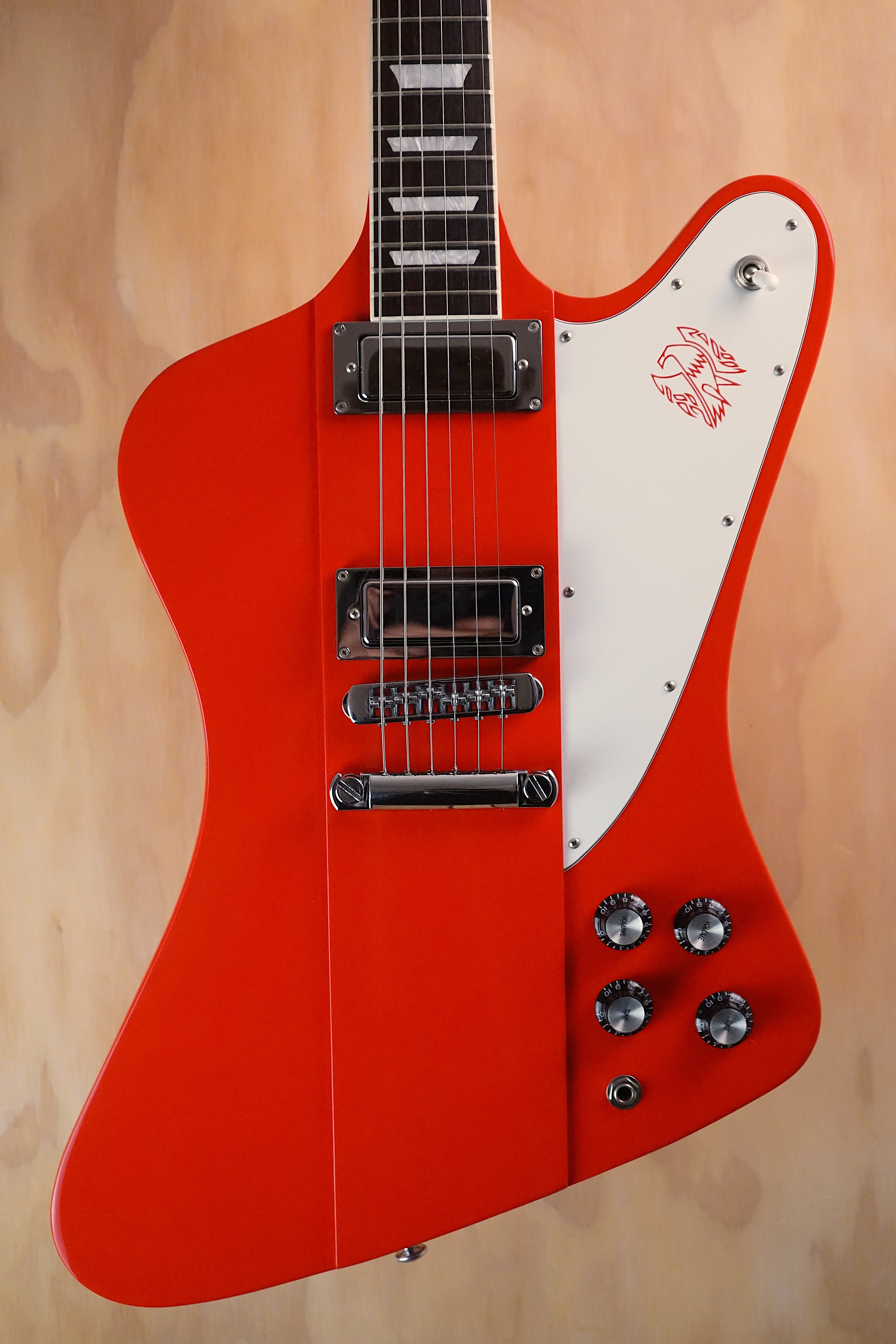
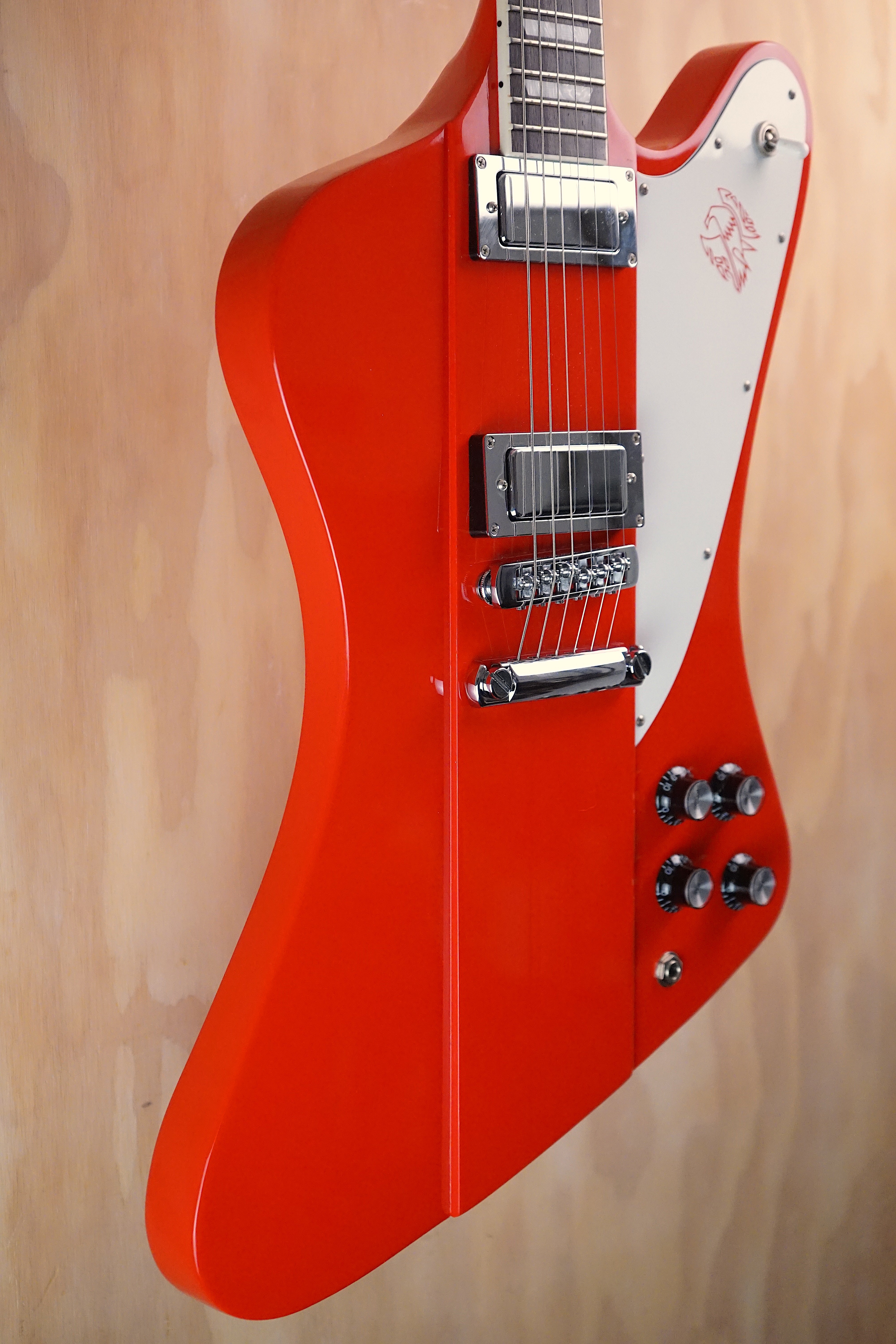
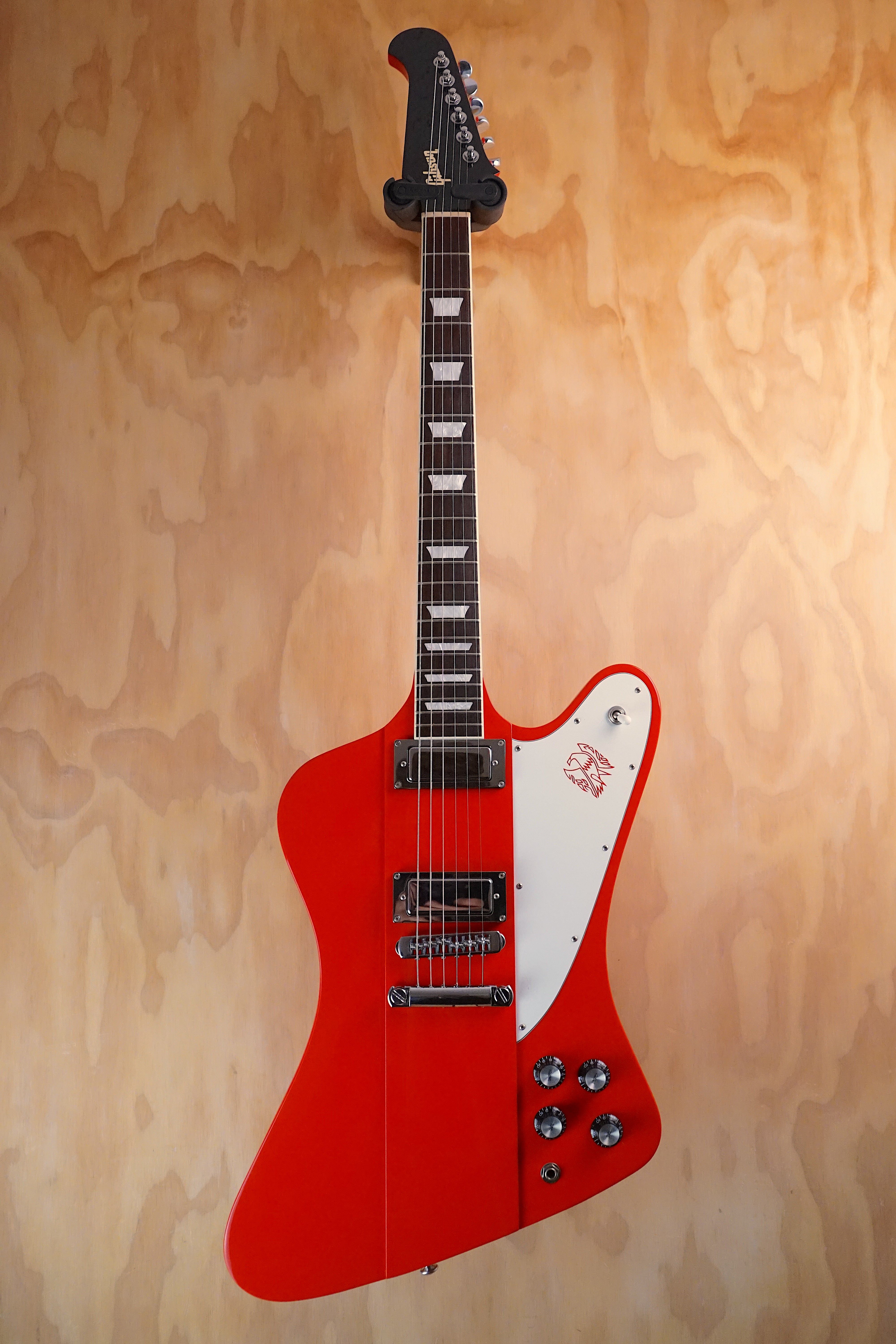
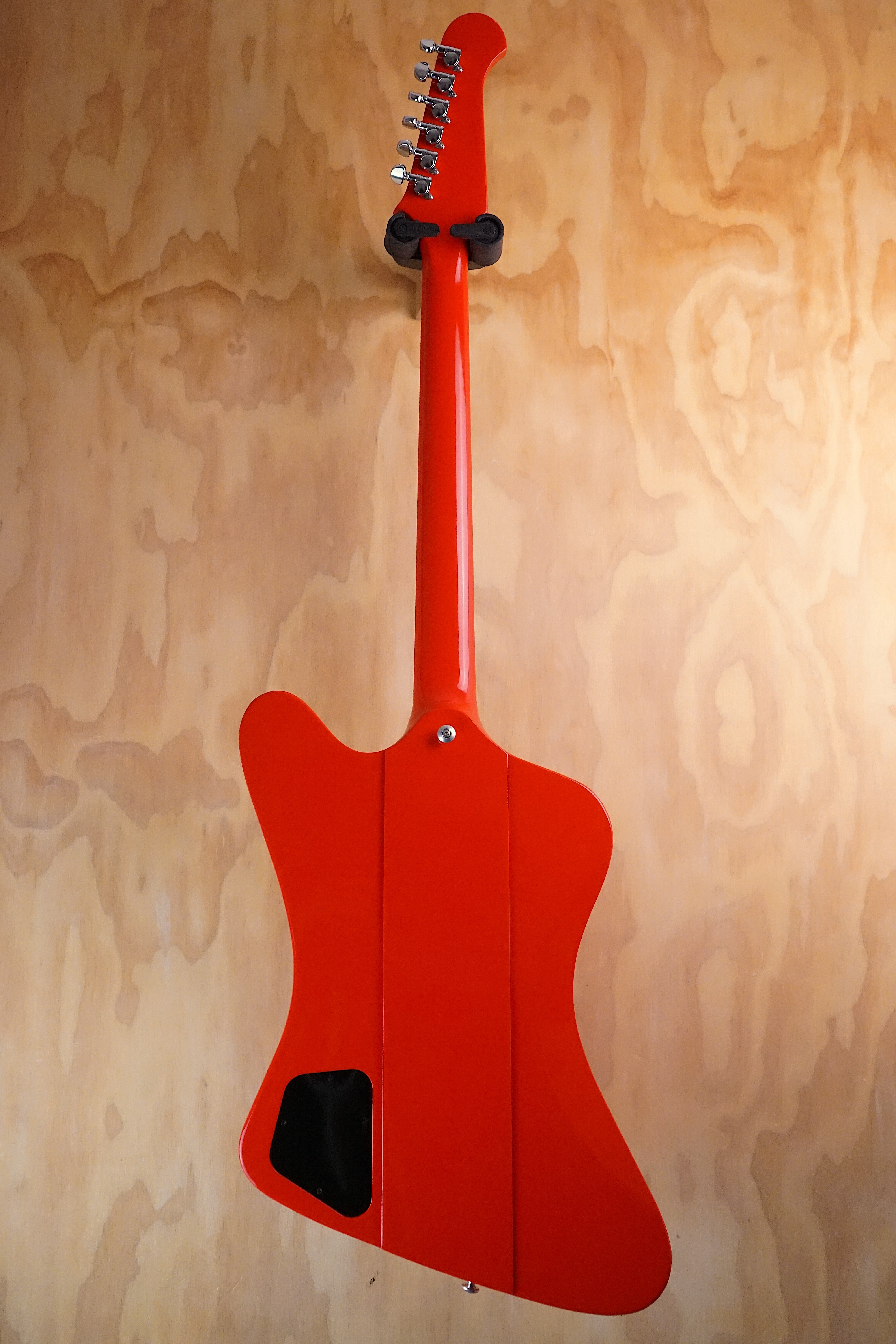
The Gibson Firebird is one of the most striking and innovative designs ever released by Gibson. First introduced in 1963, it was created at a time when the company wanted to push beyond tradition and offer something bold and futuristic to guitarists. The result was the Firebird — an offset electric guitar with sharp, flowing lines, a distinctive “reverse” body style, and a look unlike anything else on the market. The Firebird was also Gibson’s first model to feature a neck-through-body design, where the neck runs the entire length of the instrument, with the body wings attached on either side. This not only gave the guitar incredible sustain and stability but also contributed to its unique voice. Equipped with mini-humbucker pickups, the Firebird produces a tone that is bright, clear, and focused, but still has the warmth and punch that Gibson is known for. Its sound sits comfortably between a full humbucker and a single-coil pickup, making it versatile enough for a wide range of styles. Over the years, the Firebird has earned a reputation for being a guitar that dares to stand out — not just visually, but musically too. For players who want something that breaks from the norm while delivering professional-level performance, the Gibson Firebird has become a classic choice.
Why Should I Choose a Gibson Firebird?
The Gibson Firebird is an excellent option for guitarists who want to combine individuality with reliability. Its standout body shape ensures that it immediately catches the eye on stage, but its appeal goes far beyond aesthetics. Thanks to the neck-through construction, the Firebird offers exceptional sustain, meaning notes ring out longer and with greater clarity. This makes it ideal for expressive soloing, smooth lead lines, and chord work that needs to resonate. The Firebird’s mini-humbuckers add to its appeal by producing a sound that is articulate and punchy, yet never thin. Players often describe the Firebird’s tone as having a chime-like quality, capable of cutting through a busy mix without overpowering it. This makes it suitable for many genres — from blues and rock to alternative and modern styles. The guitar is also surprisingly comfortable to play. Despite its unconventional look, the offset design balances well when standing, and its slim neck profile makes it accessible for both rhythm and lead playing. Choosing a Gibson Firebird means choosing a guitar that delivers something different without compromising on quality. It’s built to the same high standards as other Gibson models, but with a design that allows musicians to express their individuality both sonically and visually. For players who want to make a statement while enjoying professional-grade performance, the Firebird is a natural fit.
Gibson Reverse Firebird
The Gibson Reverse Firebird was the very first version of the guitar, introduced in 1963. Its “reverse” name comes from the unique body shape, where the longer upper horn points toward the headstock and the shorter horn sits at the bottom. This design immediately set it apart from other guitars of its time, giving it a futuristic, almost aerodynamic appearance. In addition to its distinctive look, the reverse Firebird featured neck-through construction, something rarely seen in production guitars of the 1960s. This gave it incredible stability and sustain, making it ideal for players who wanted a guitar that felt as good as it looked. The reverse Firebird also introduced Gibson’s mini-humbuckers, pickups that delivered clarity and brightness but still carried the warmth and fullness associated with the Gibson sound. Today, the reverse Firebird is considered a landmark design, celebrated for both its bold aesthetics and unique tonal character.
Gibson Non Reverse Firebird
In 1965, Gibson introduced the Non Reverse Firebird as a response to mixed feedback on the original shape. The non reverse design essentially flipped the body outline, with the longer horn on the lower side of the guitar. This gave the instrument a more traditional feel in terms of weight and balance while still retaining the Firebird’s modern edge. The non reverse Firebird also saw some construction changes. Instead of neck-through building, many models used set-neck construction, making them lighter and easier to produce while still delivering the sustain and tone players expected. Tonally, the non reverse version retained the mini-humbuckers that gave the Firebird its voice but offered a slightly different resonance due to the altered body design. While it may not be as well-known as the original reverse version, the non reverse Firebird has carved out its own place in Gibson’s history and remains a distinctive option for guitarists today.
Second Hand Gibson Firebird Guitars
For many players, a second hand Gibson Firebird is the perfect way to experience this legendary design. Pre-owned Firebirds can be more affordable than brand new models, making them accessible to a wider range of musicians. Beyond cost, second hand guitars often come with a character of their own; wood that has aged, finishes that have mellowed, and tonal qualities that develop over time. For some, that added history and personality is what makes a pre-owned instrument even more special. Vintage Firebirds are especially sought after by collectors and players alike, with both reverse and non reverse versions gaining a reputation for their unique place in Gibson’s lineup. At Fair Deal Music, we regularly offer a range of second hand Gibson Firebird guitars, giving players the opportunity to own a piece of Gibson history without compromise.