
Capture every voice, instrument and performance with confidence. Explore microphones for live vocals, studio recording, podcasting, streaming, video, content creation and instrument capture, including dynamic, condenser, USB and wireless options.
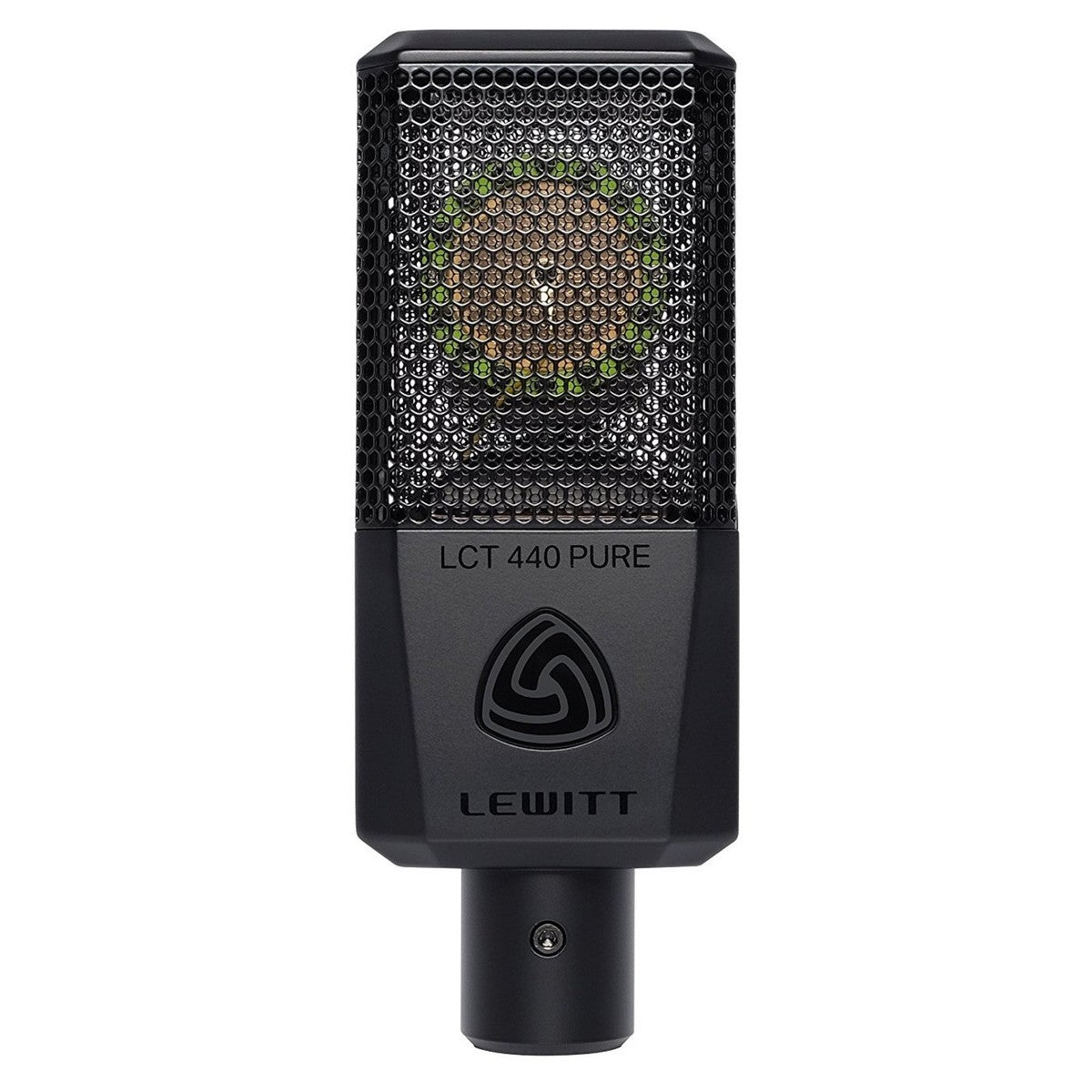
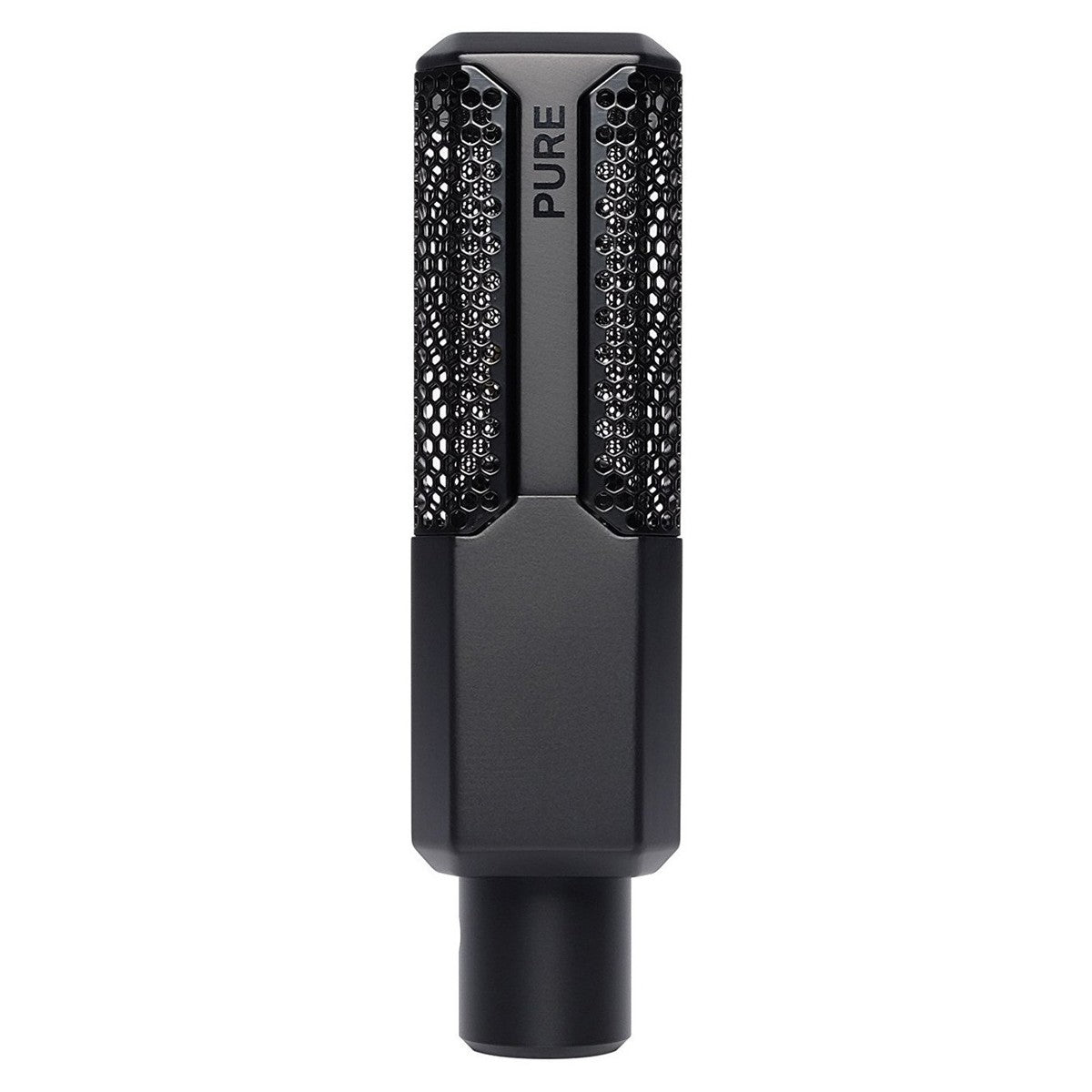
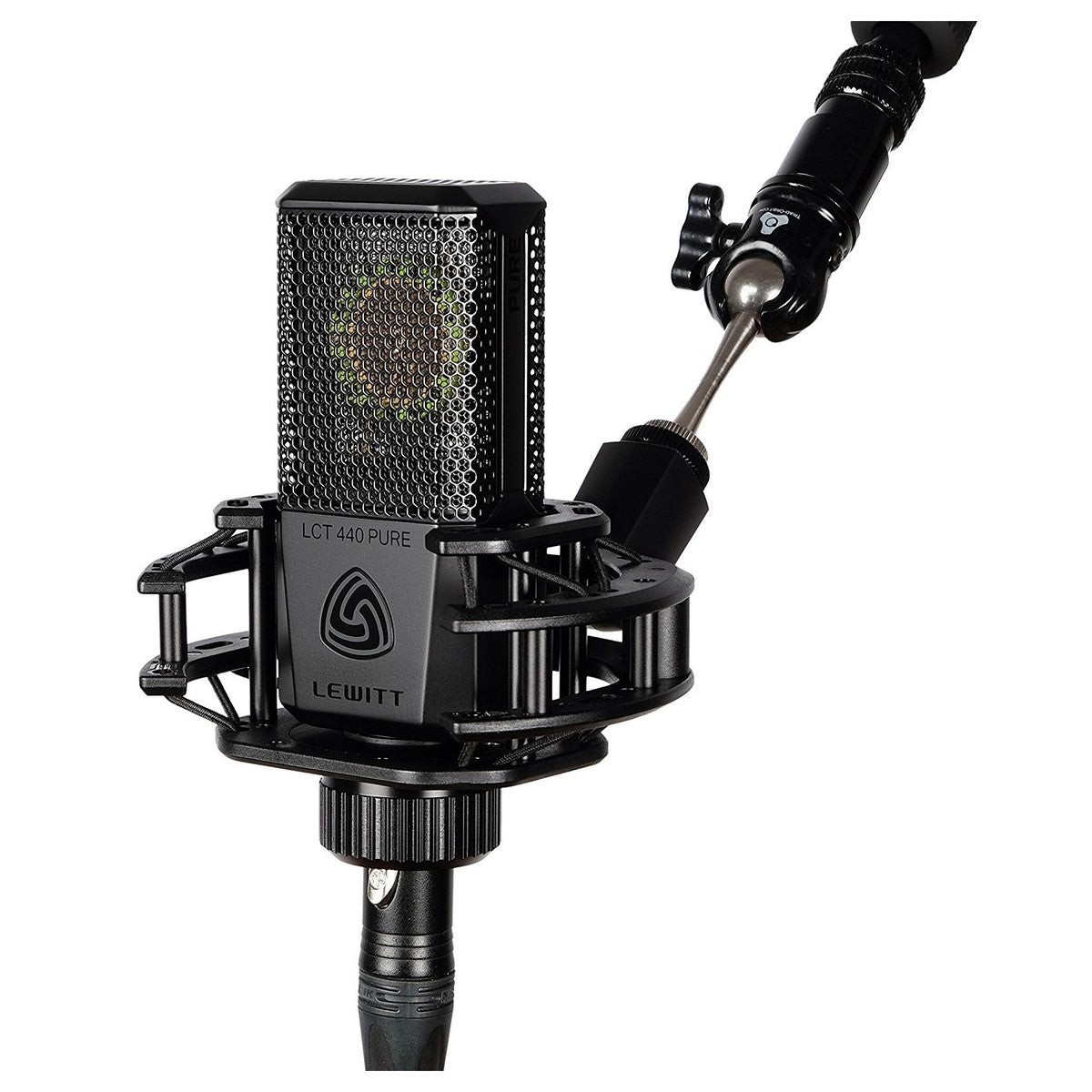
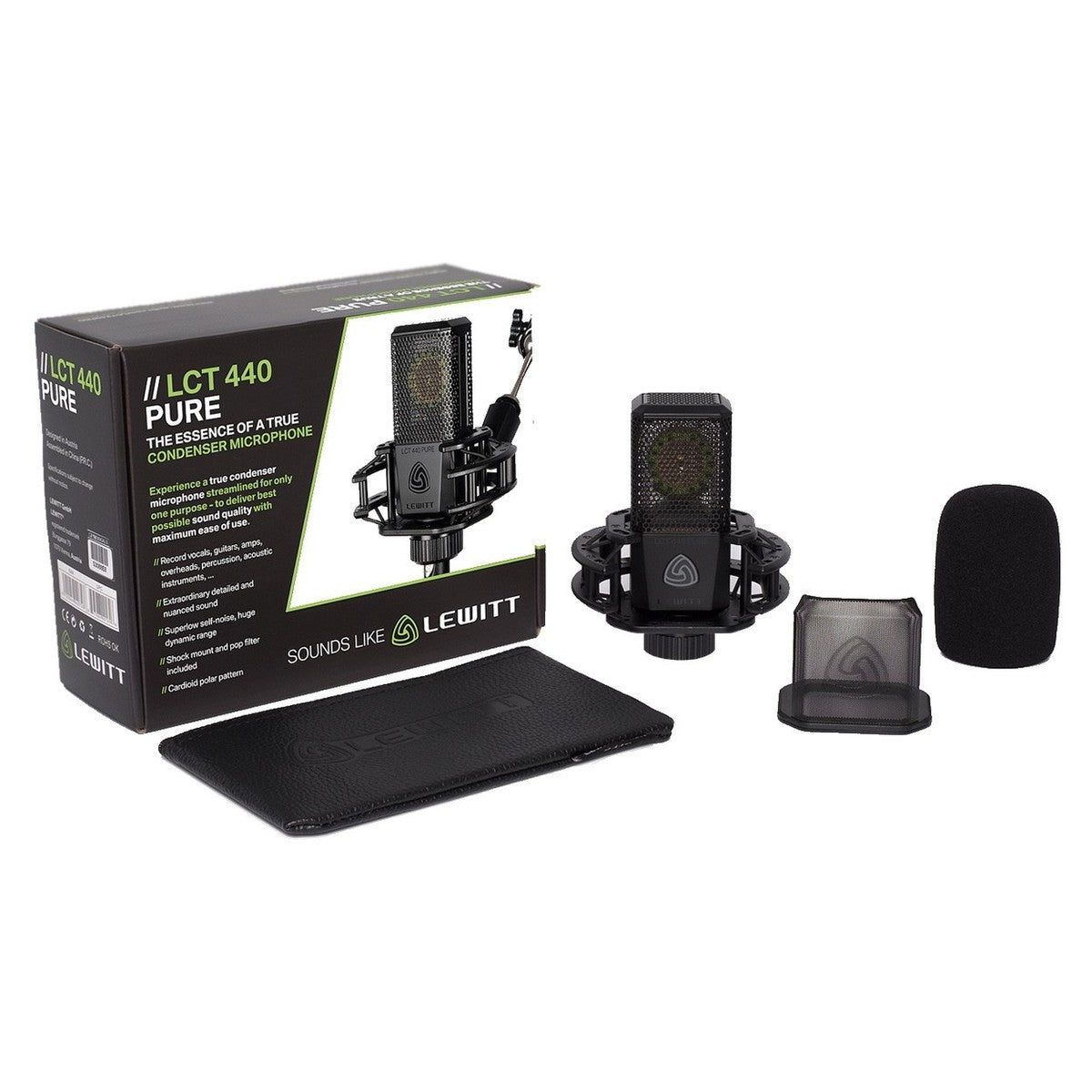
Lewitt LCT 440 PURE Condenser Microphone
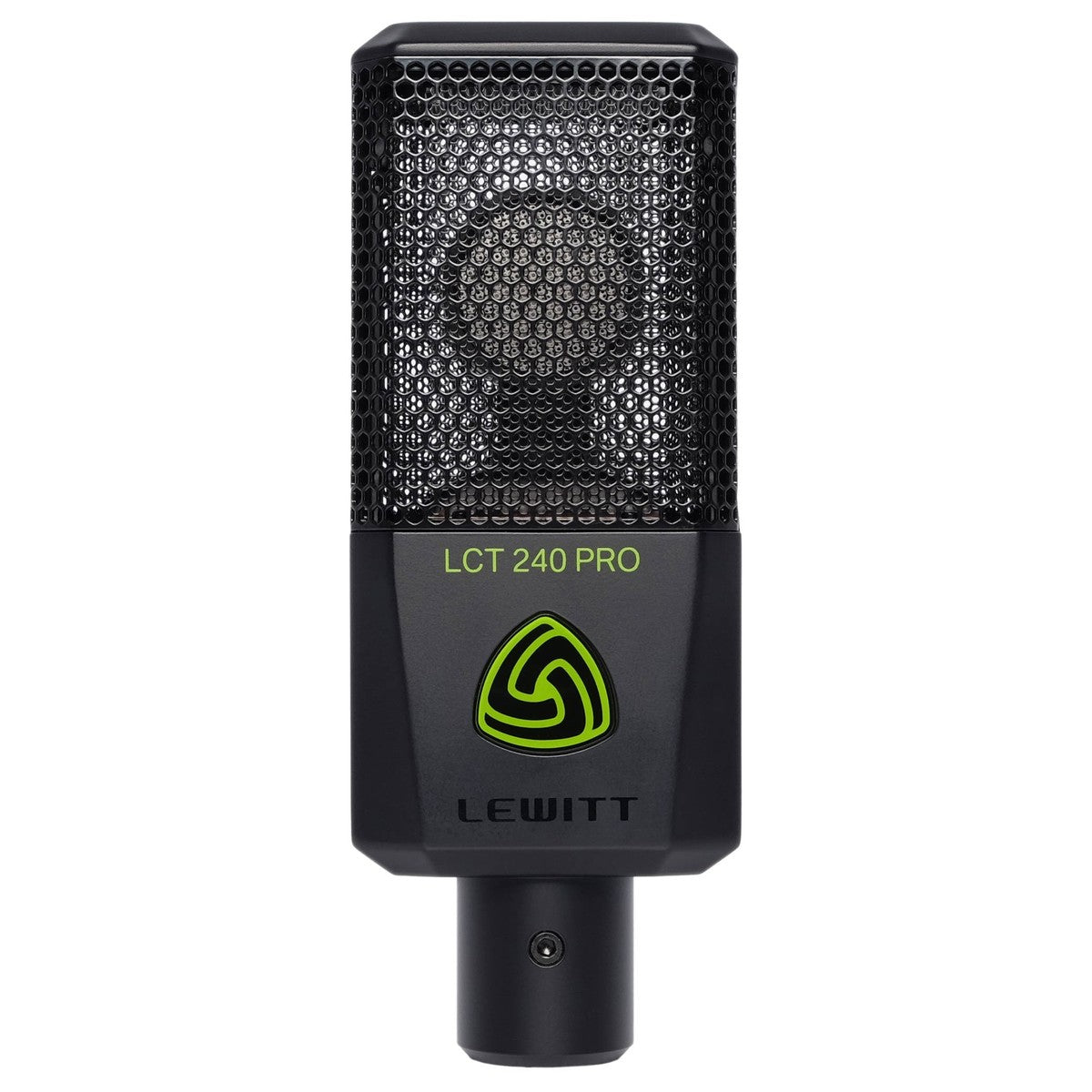
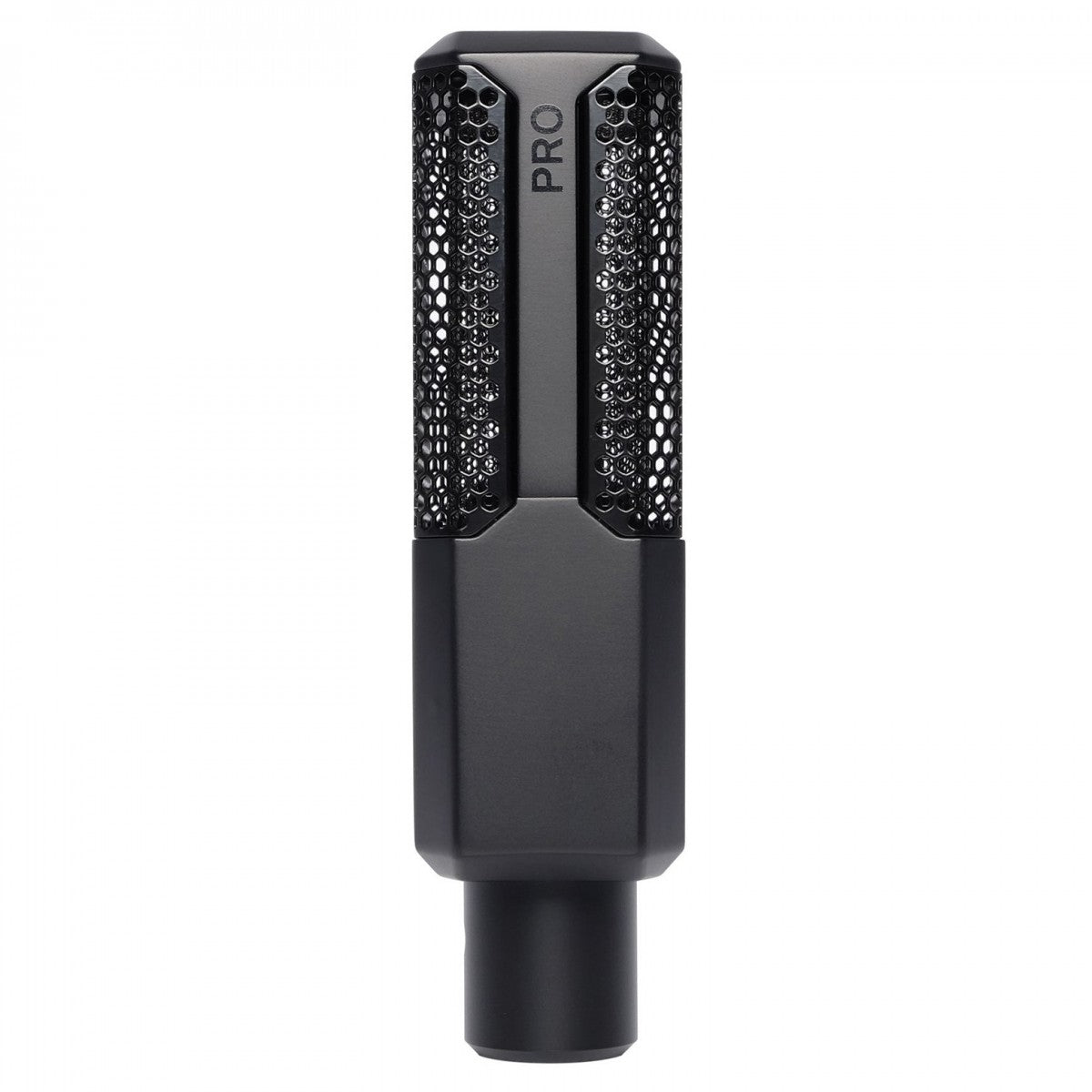
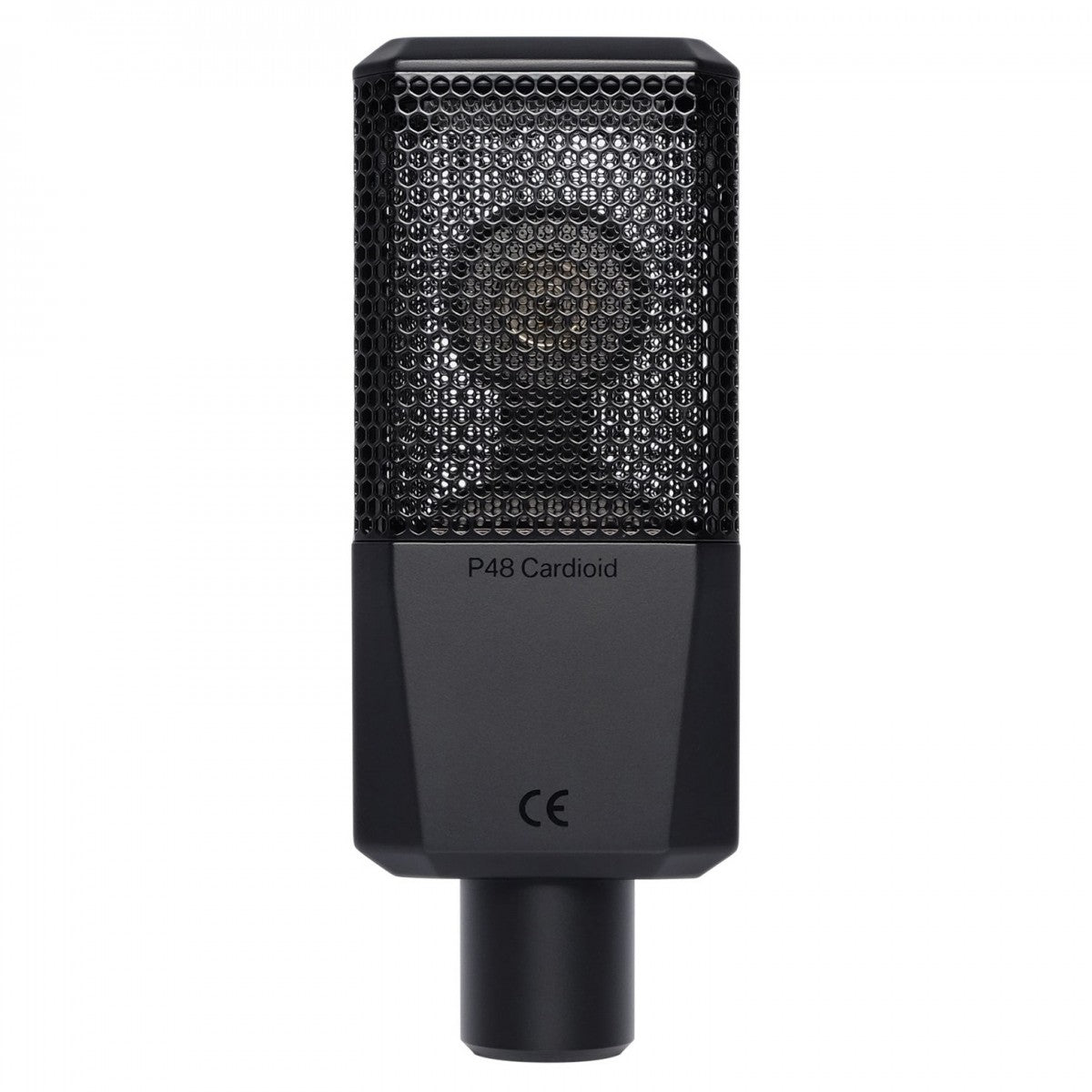
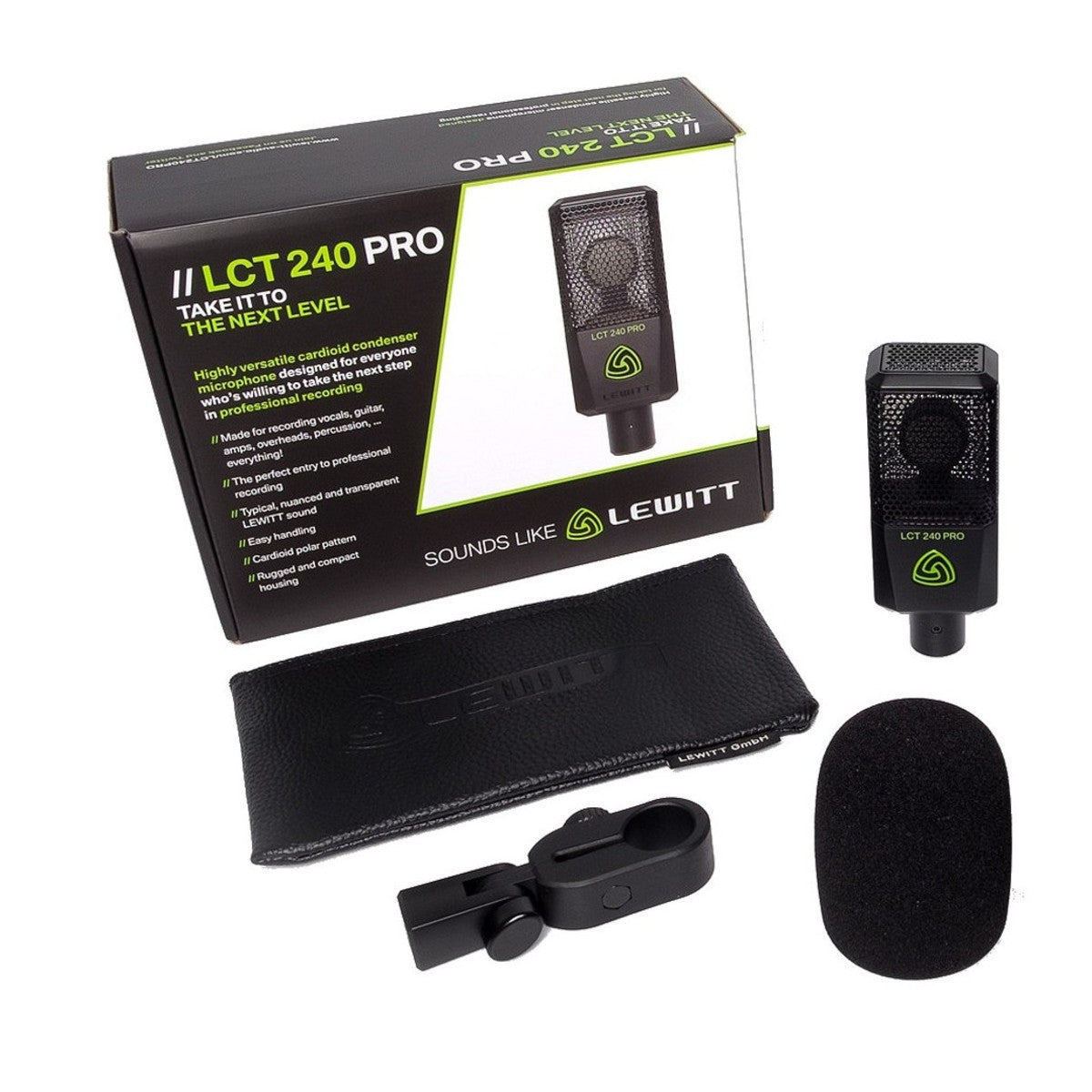
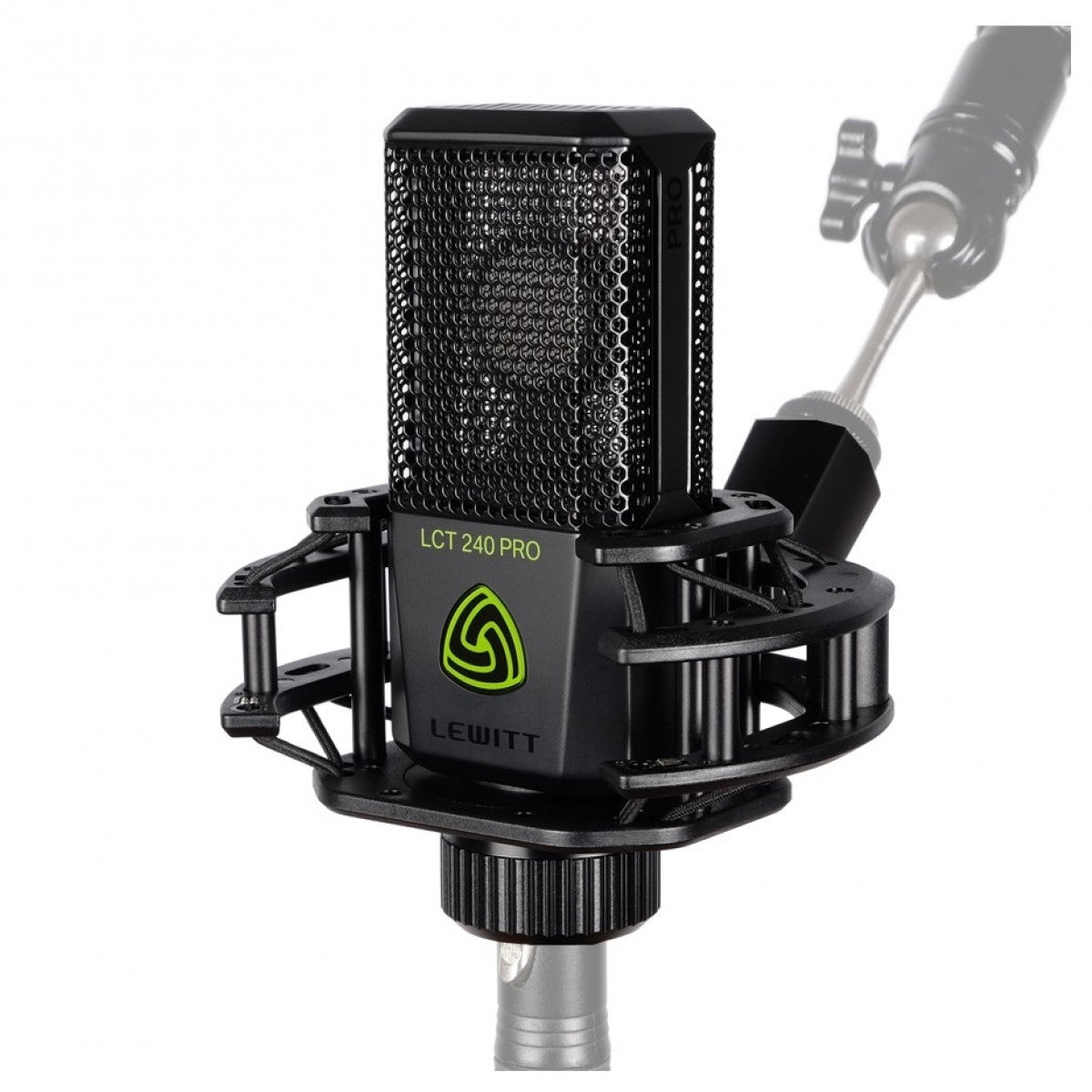
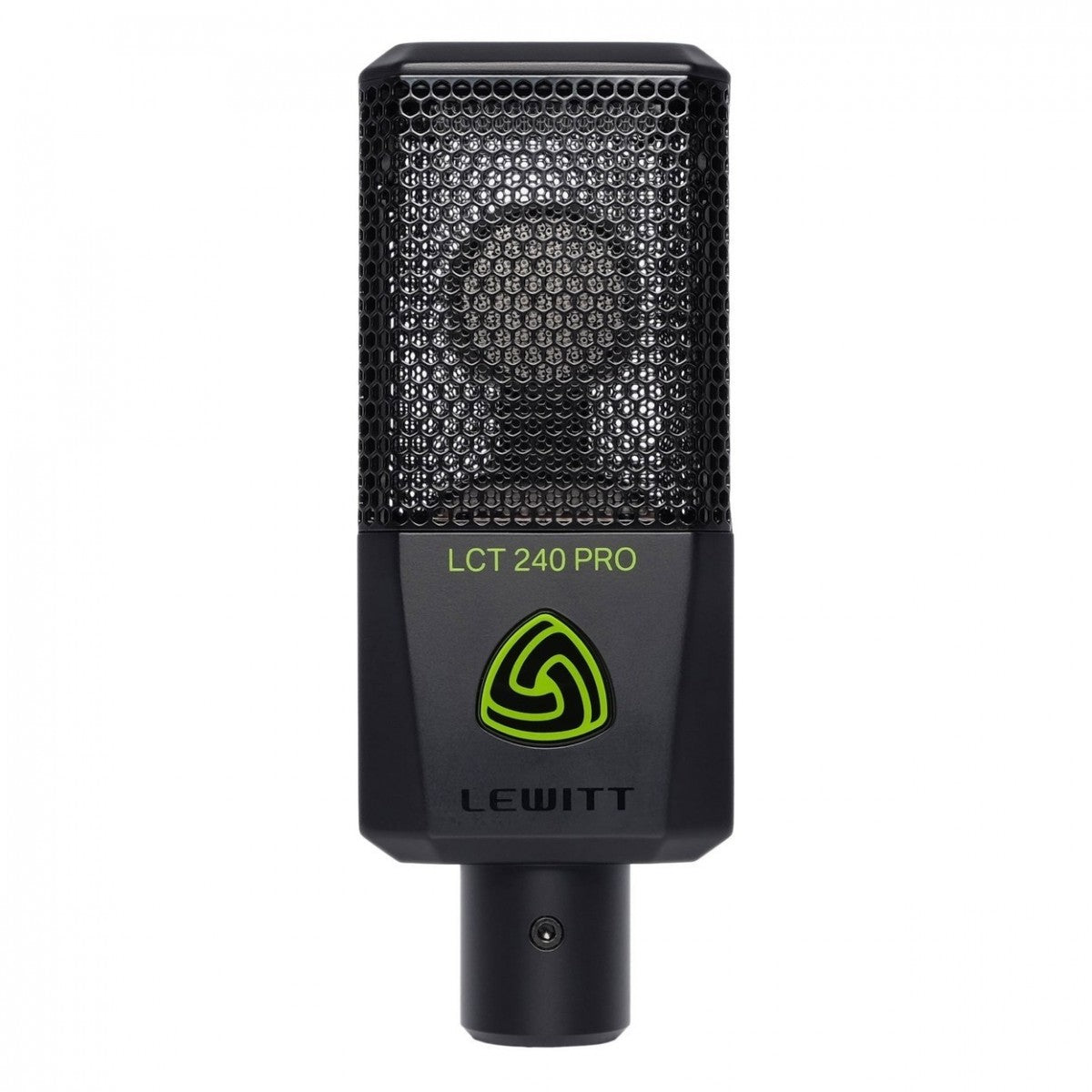
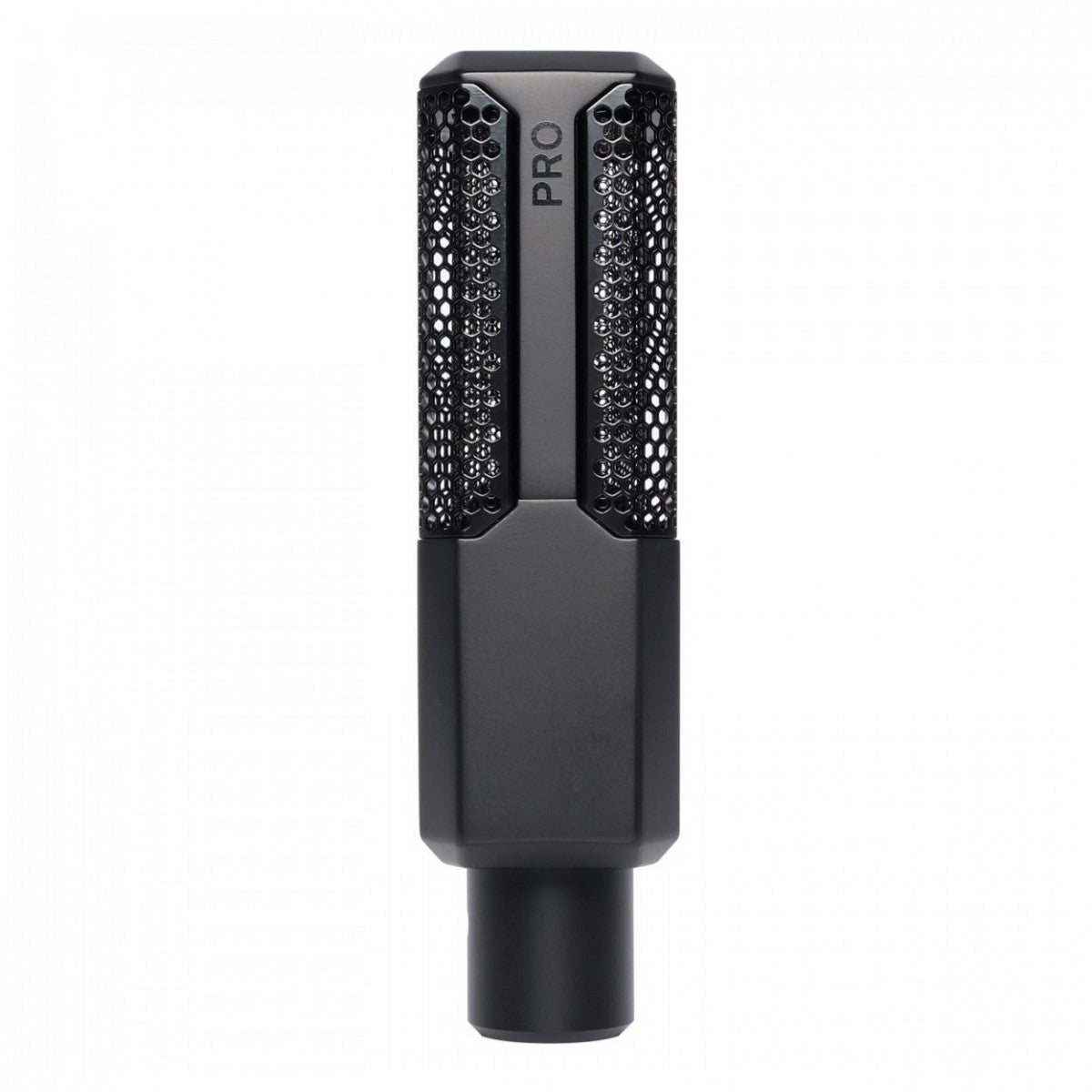
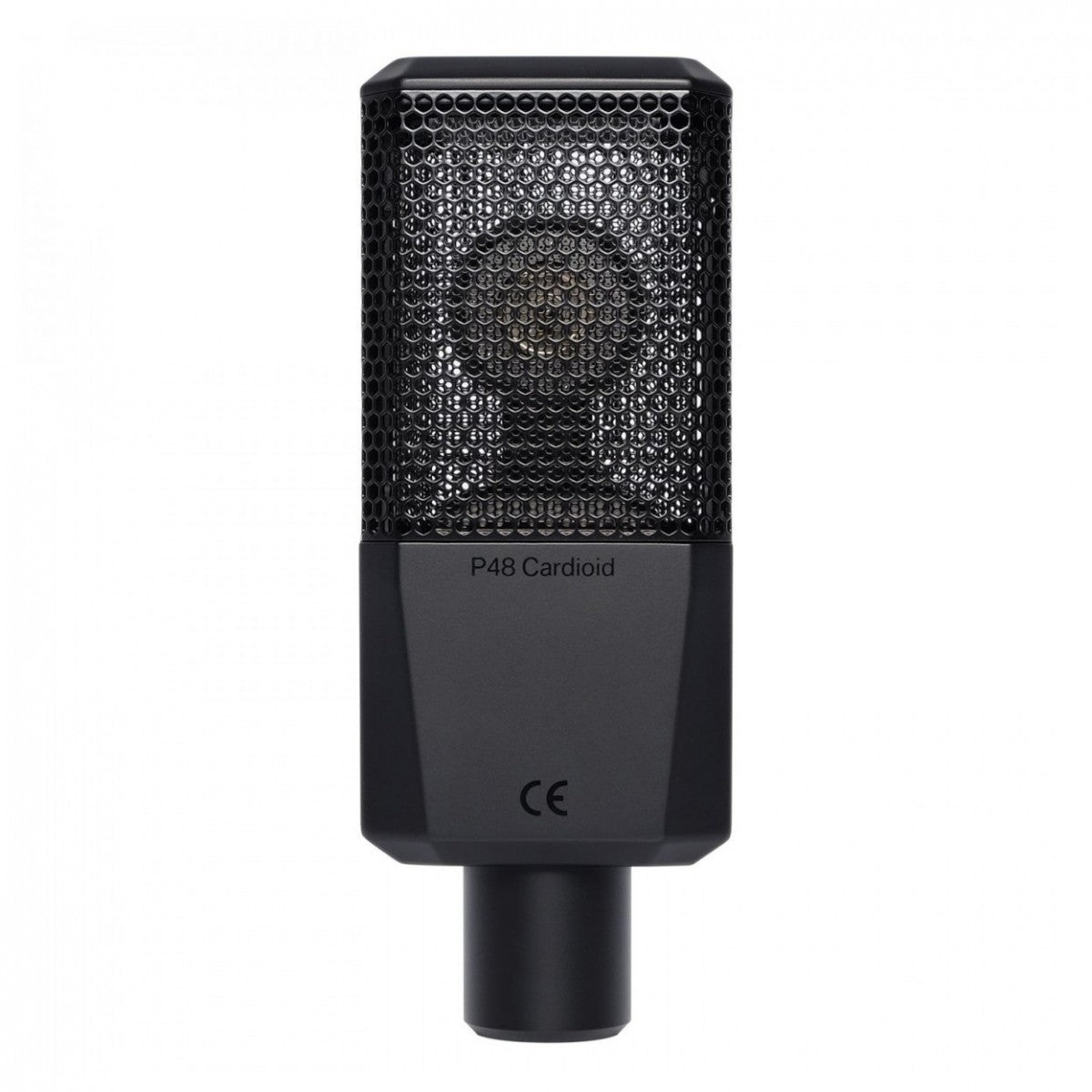
Lewitt LCT240 PRO Vocal Set, Black
Sell or Part-exchange
Sell your gear for cash or exchange it with a new one
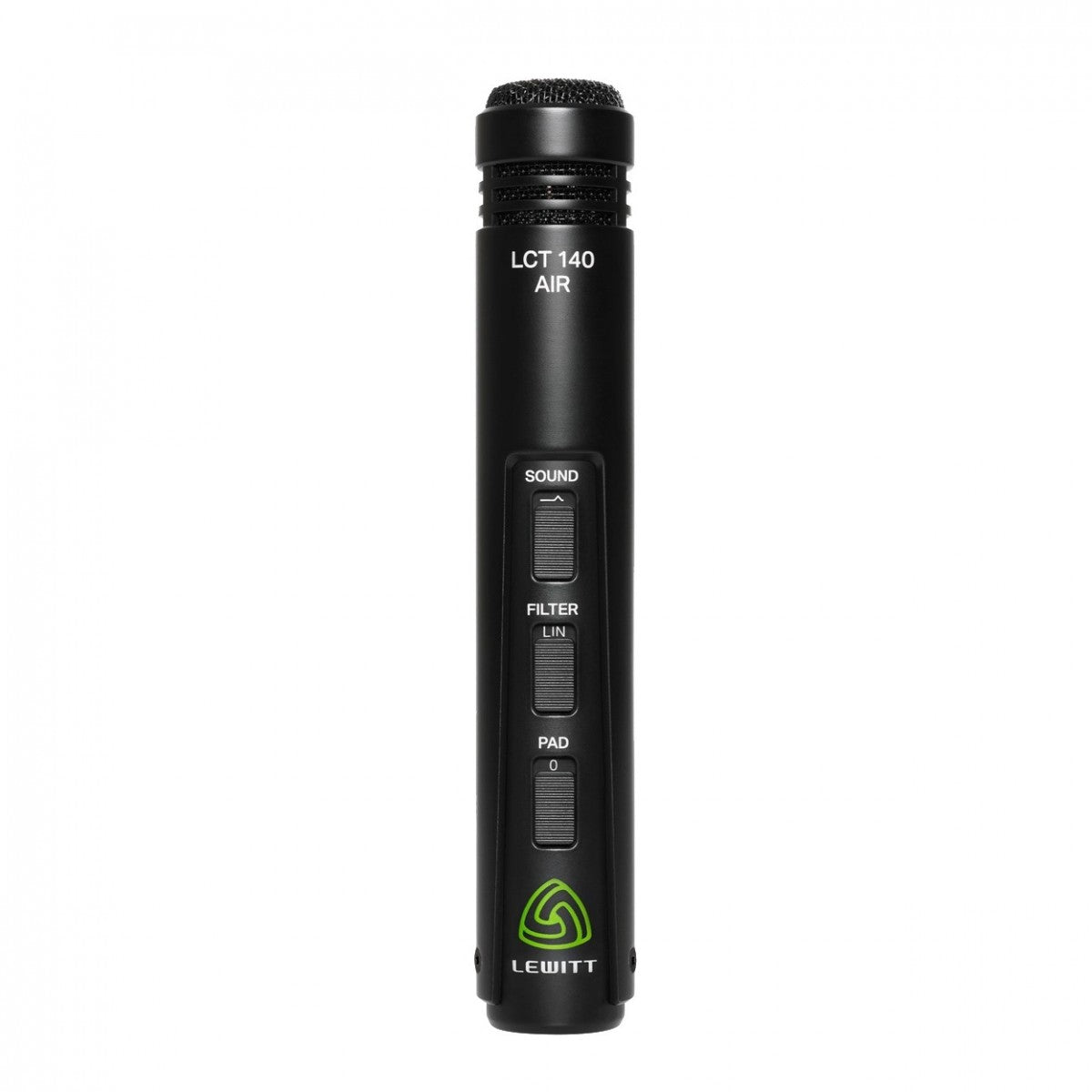
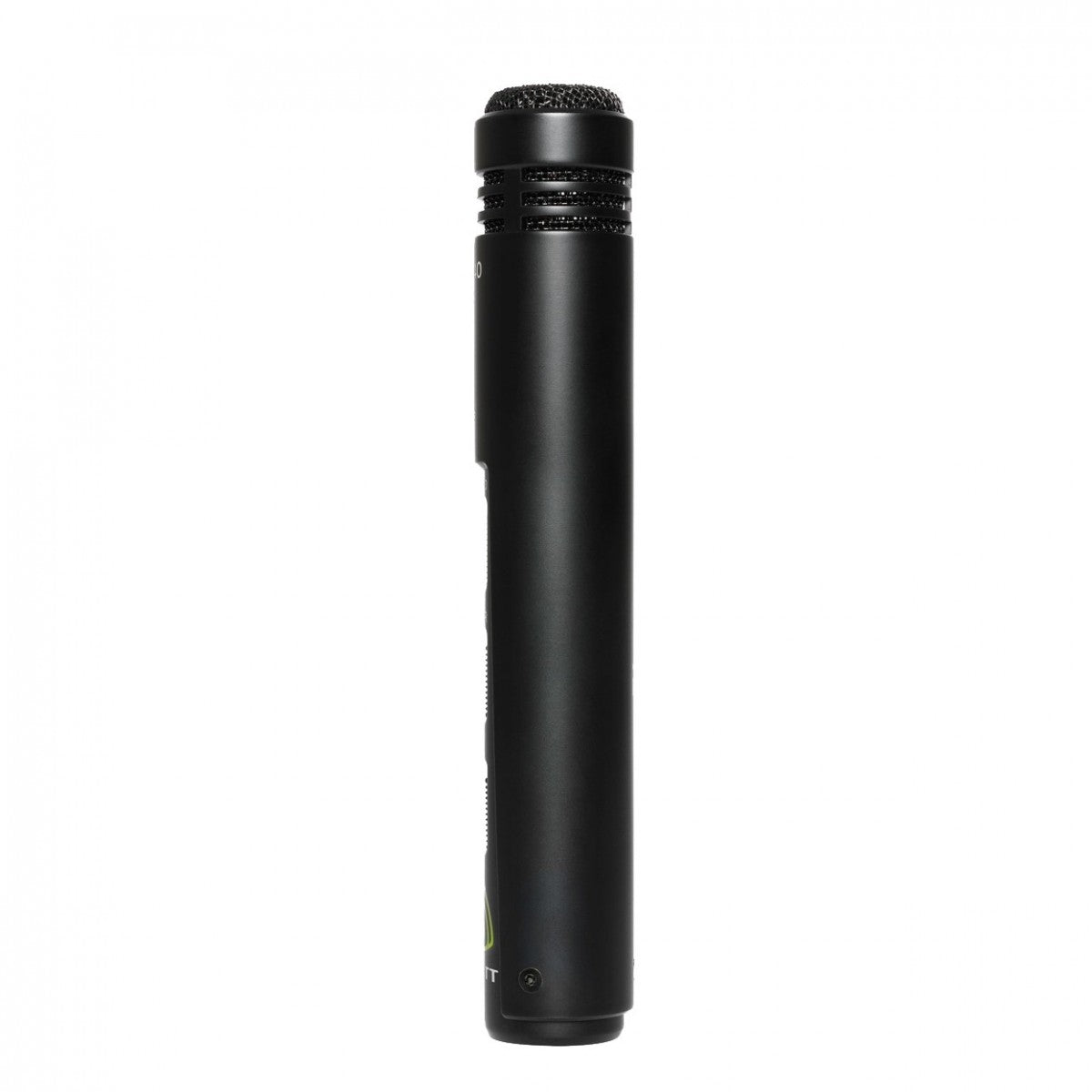
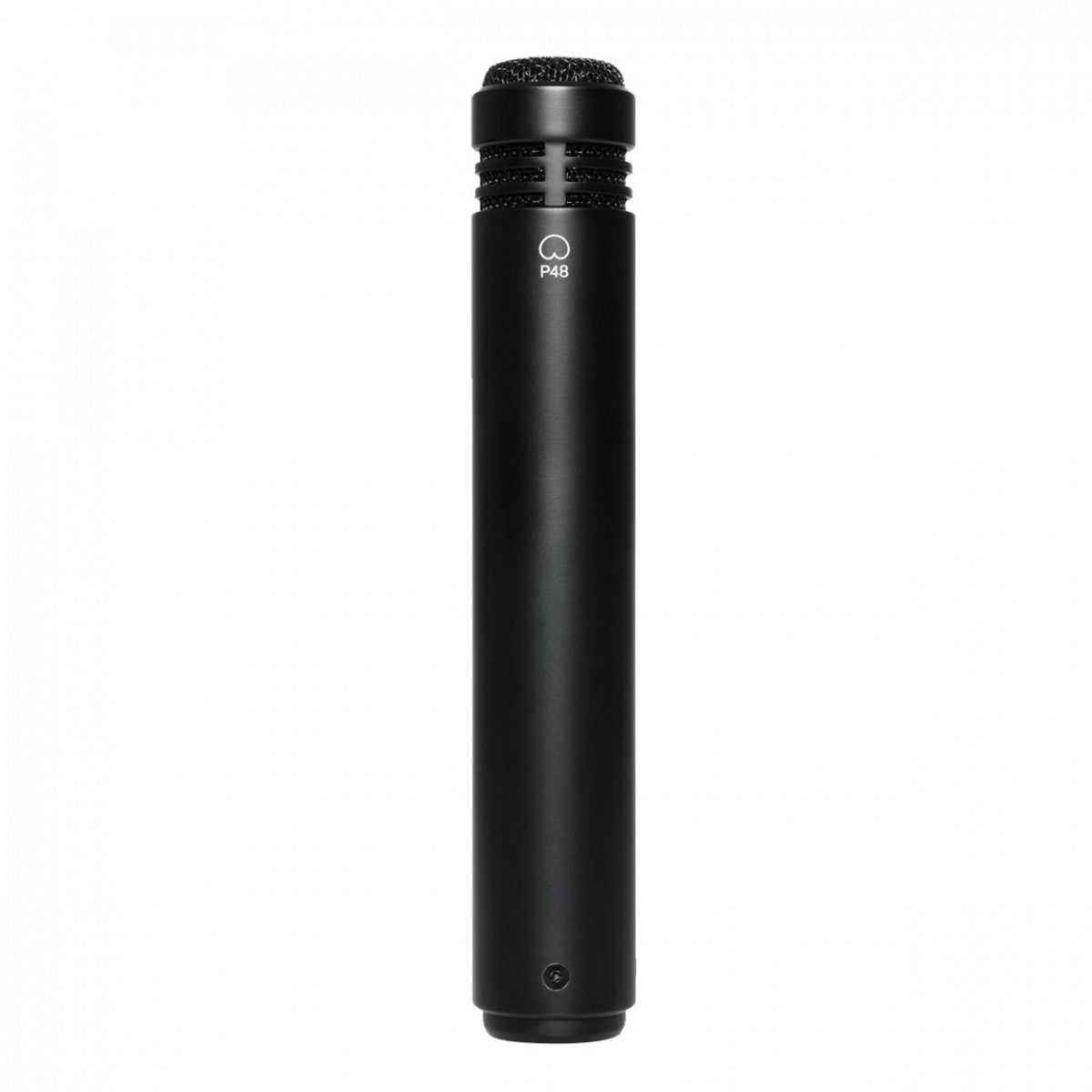
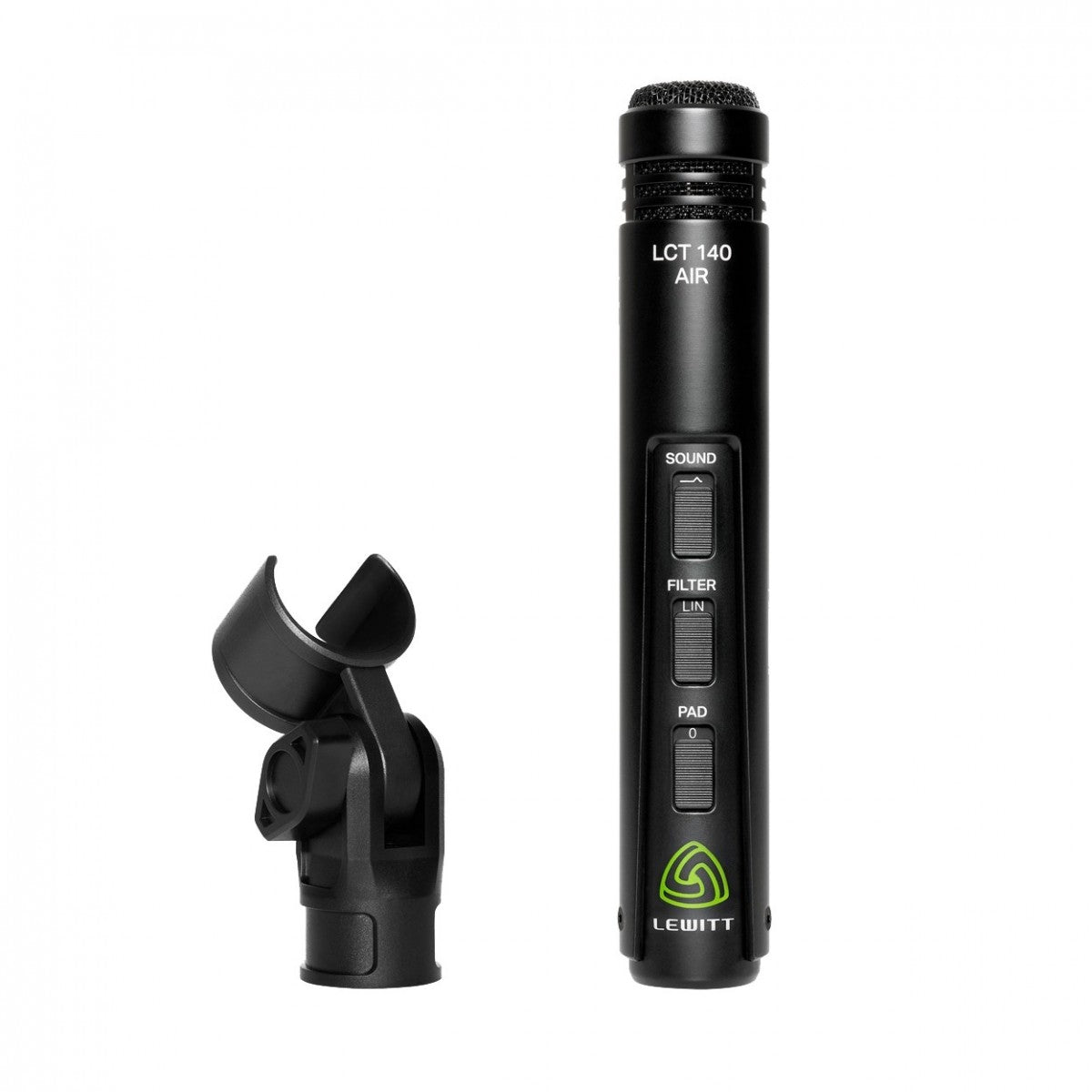
Lewitt LCT 140 AIR Small-Diaphragm Condenser Microphone
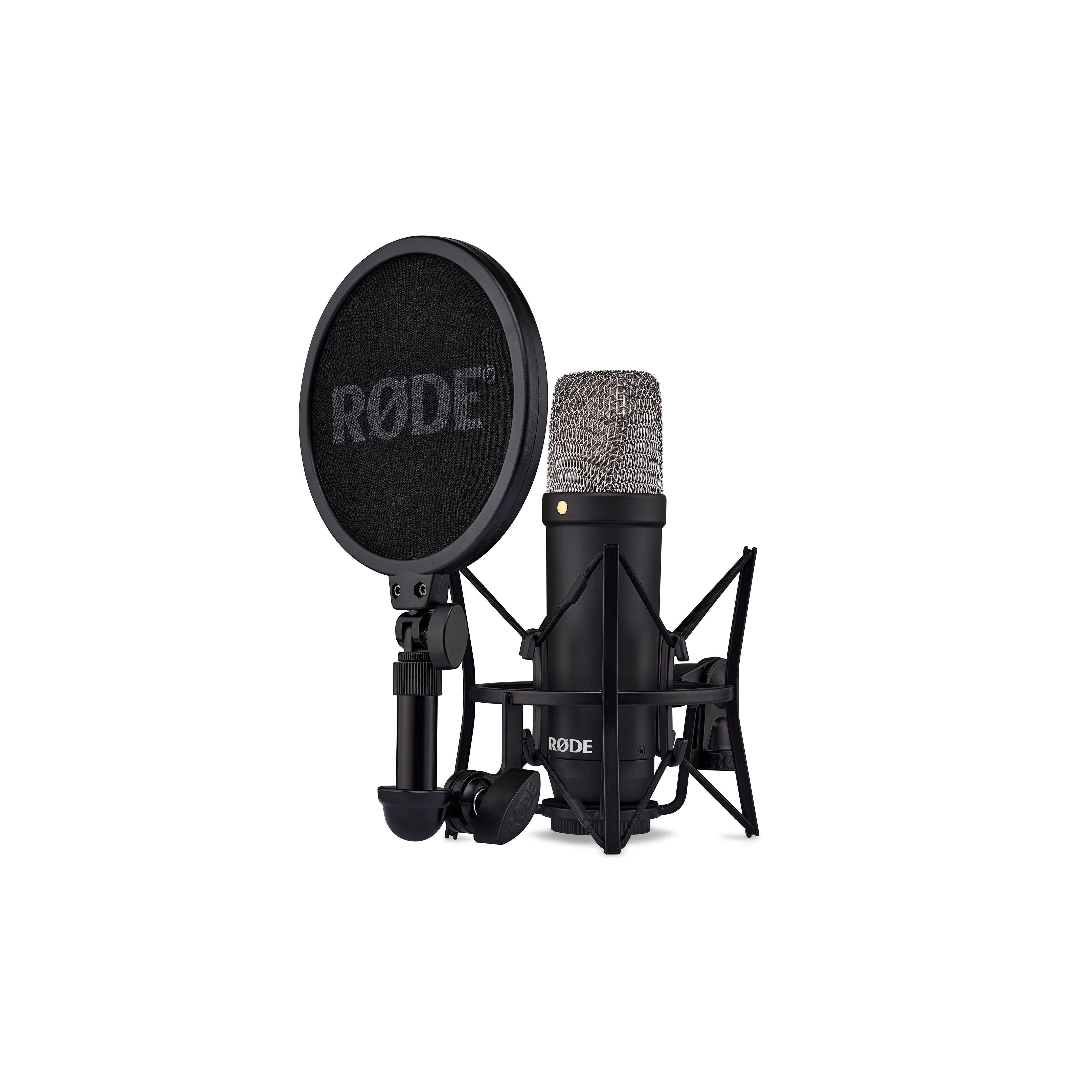
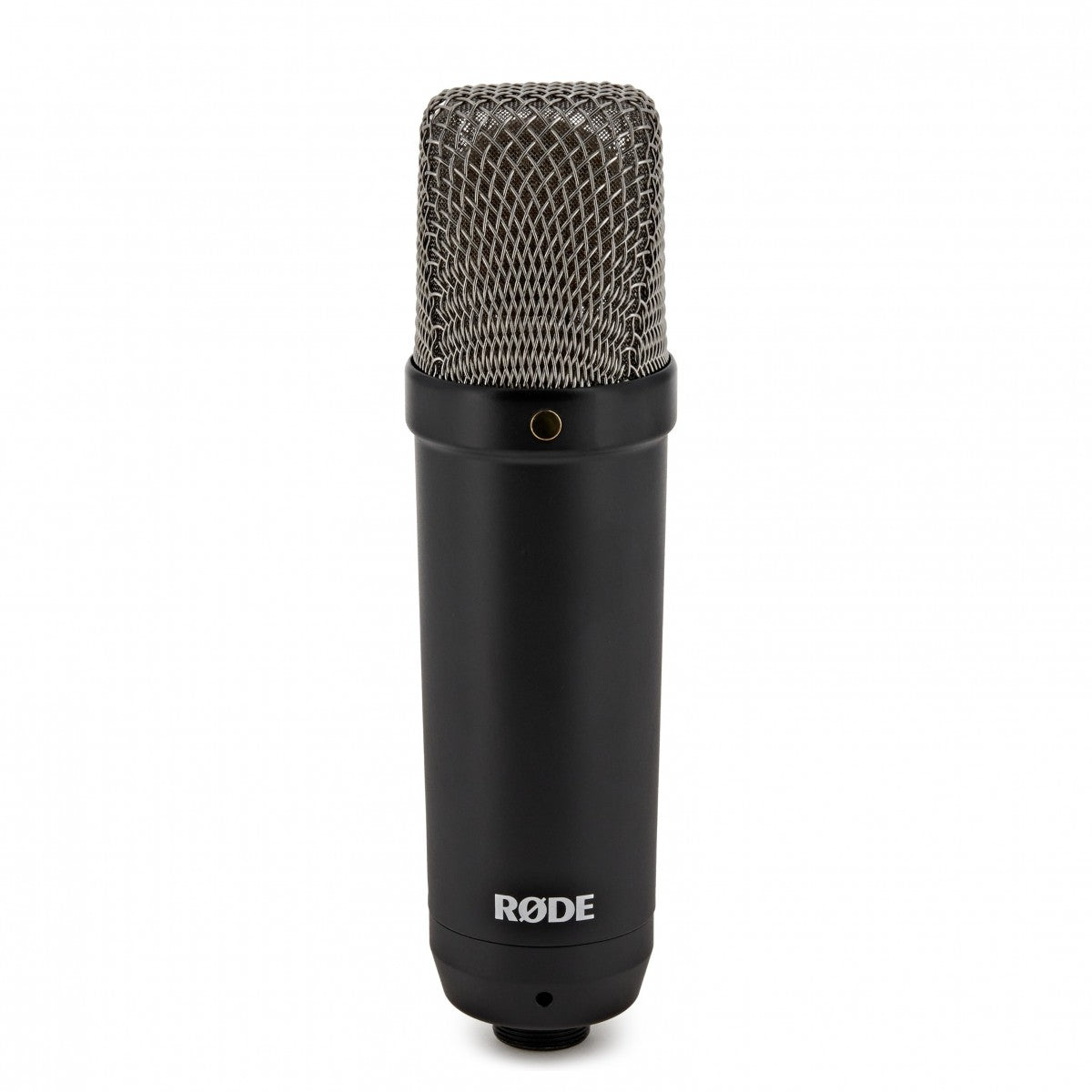
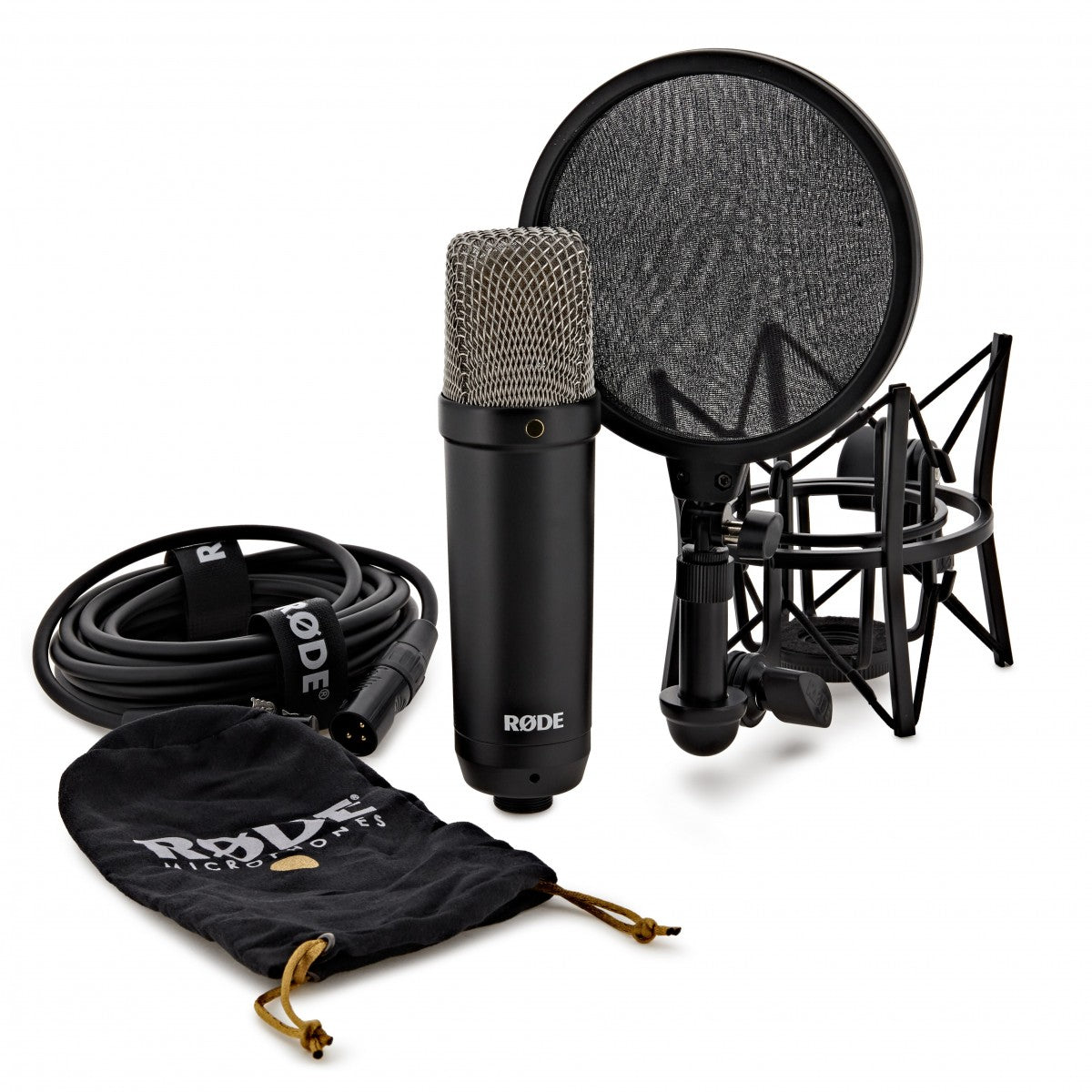
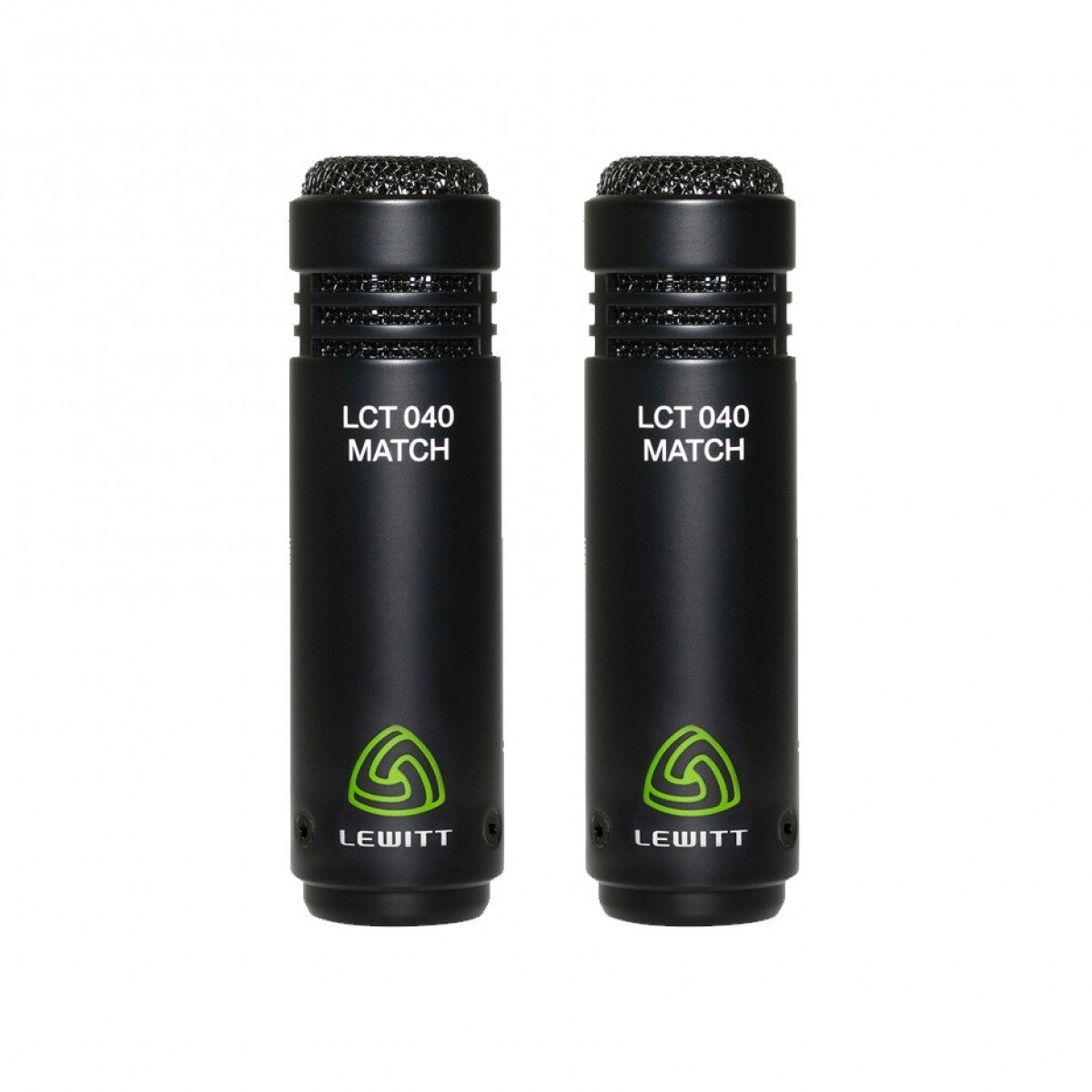
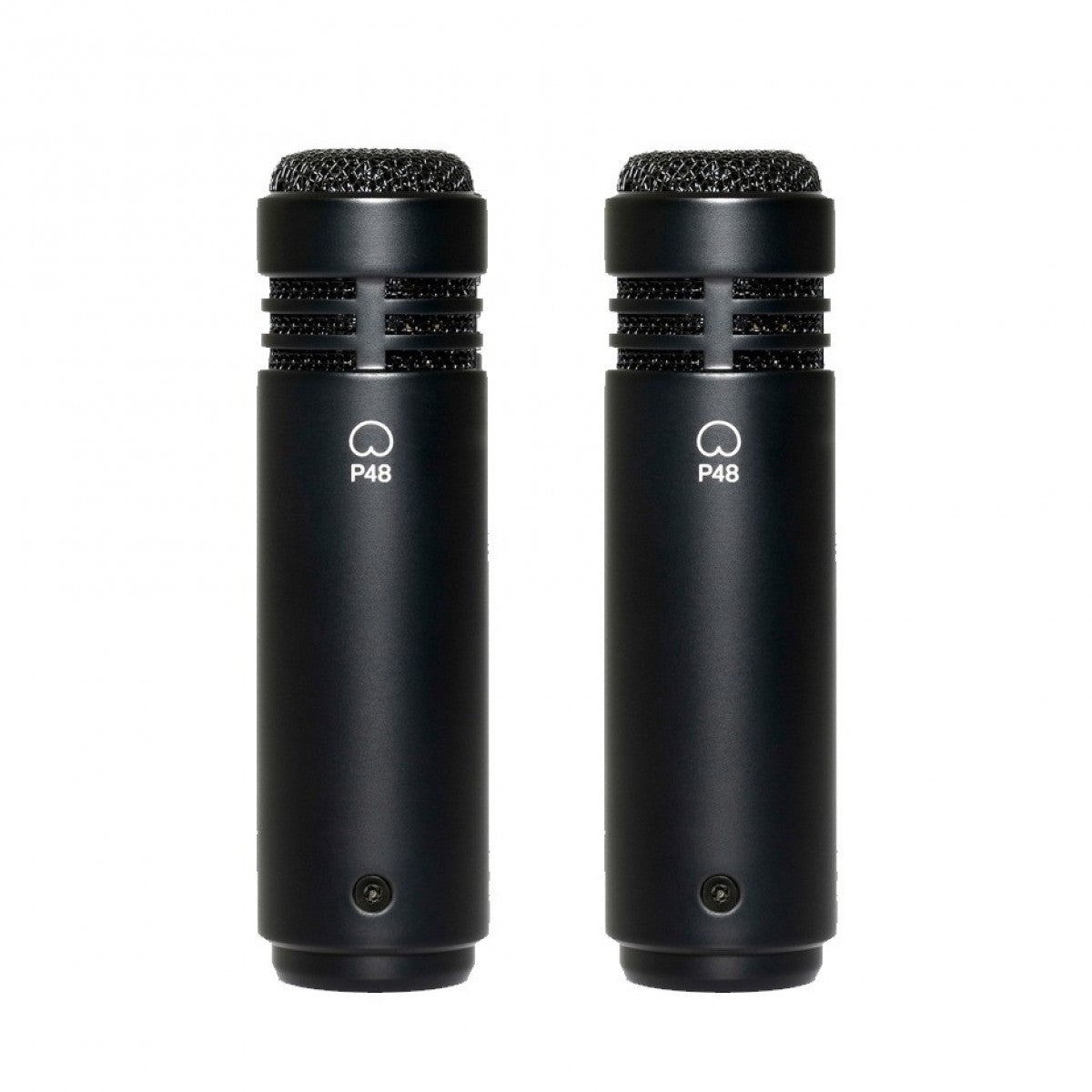
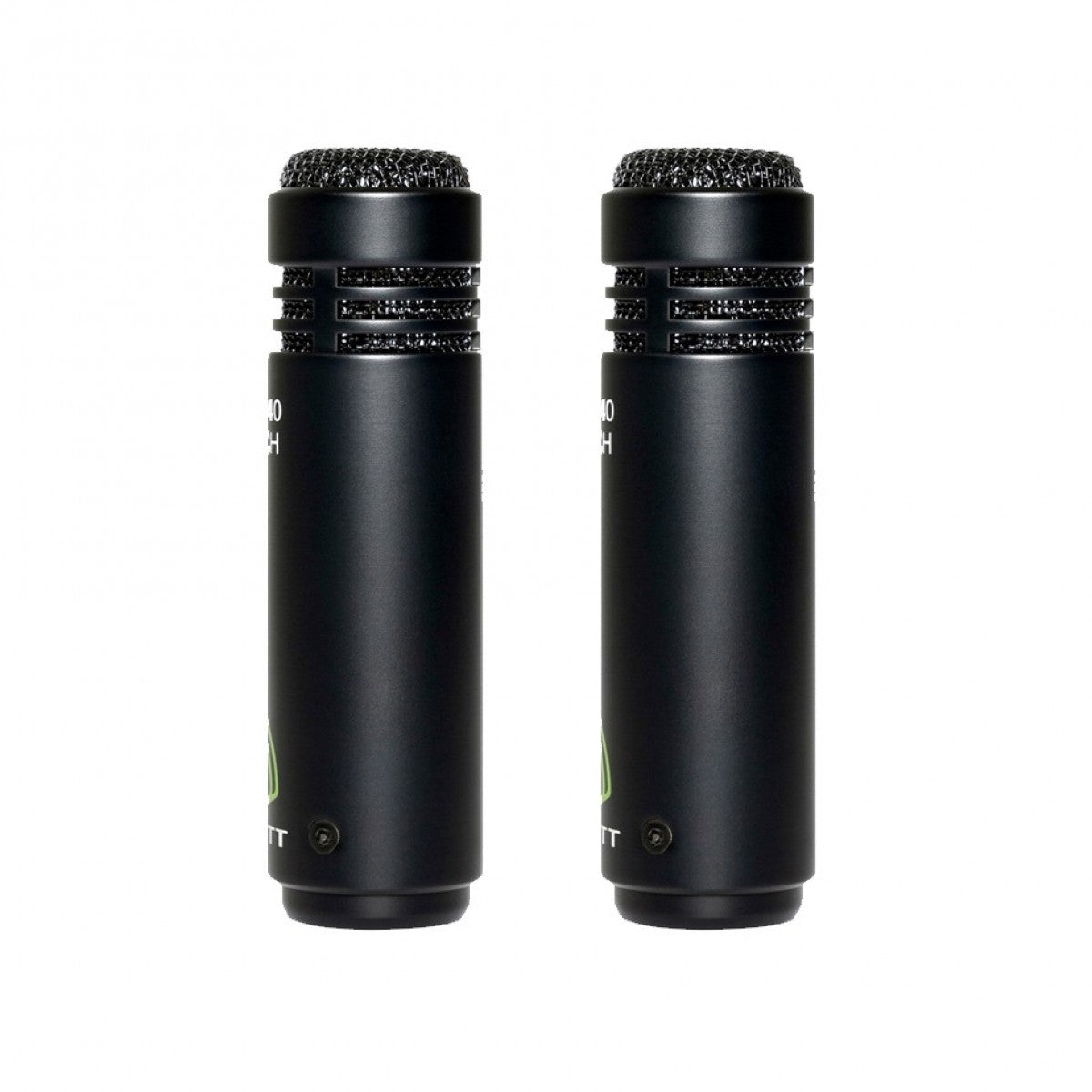
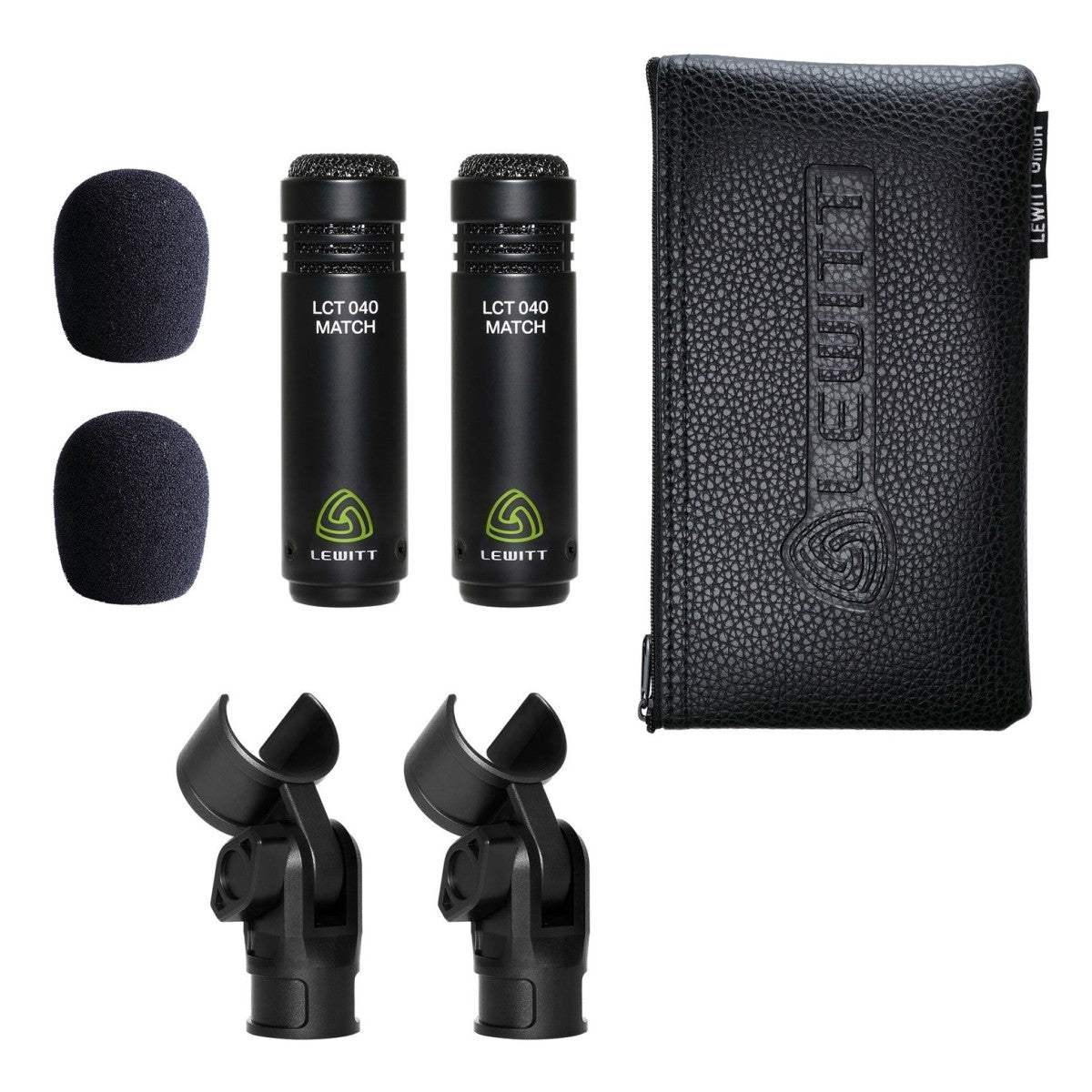
Lewitt LCT 040MP Small-Diaphragm Condenser Microphone, Matched Pair
Make a Bundle, Get a Better Deal
Get in touch so we can help you make a customised bundle with a discount
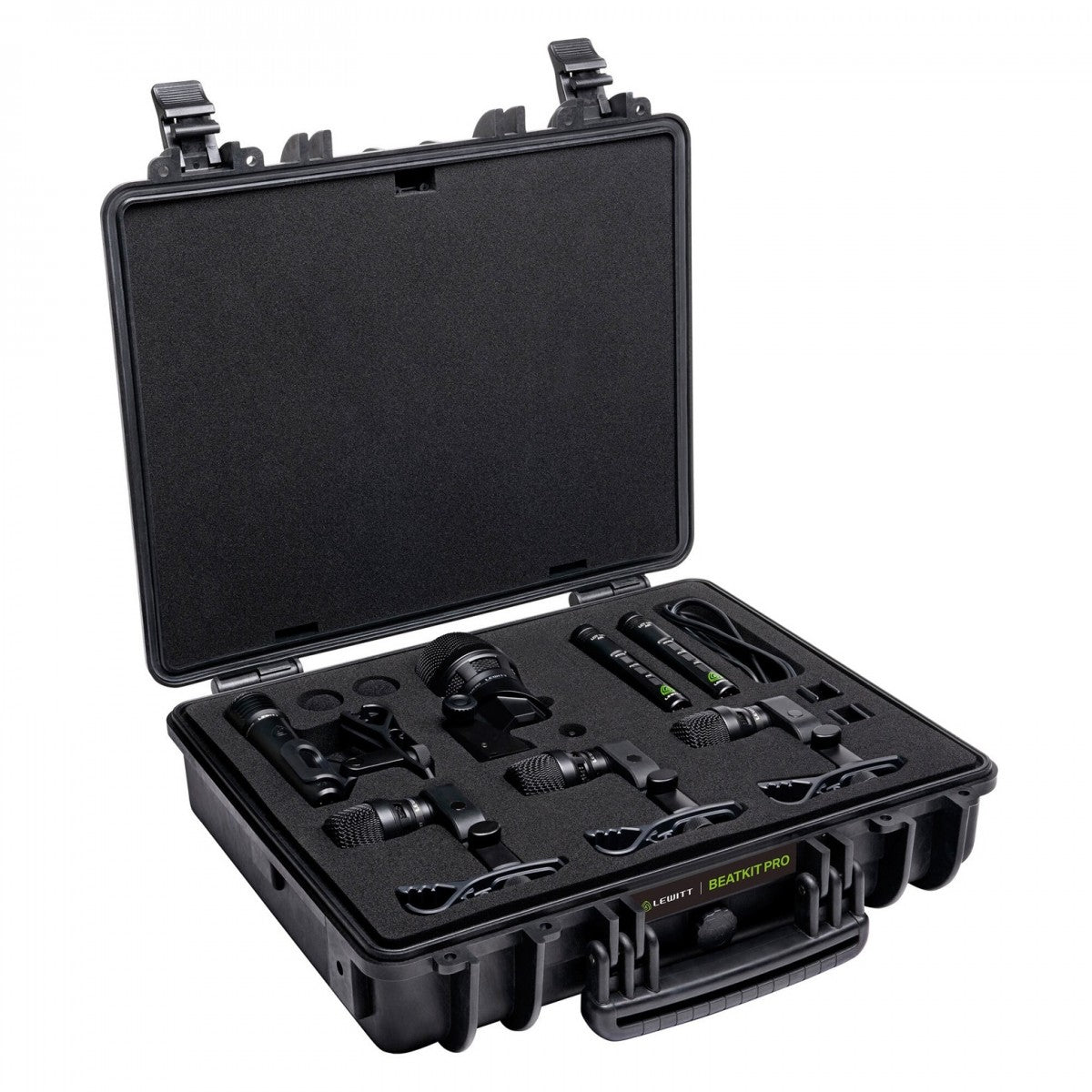
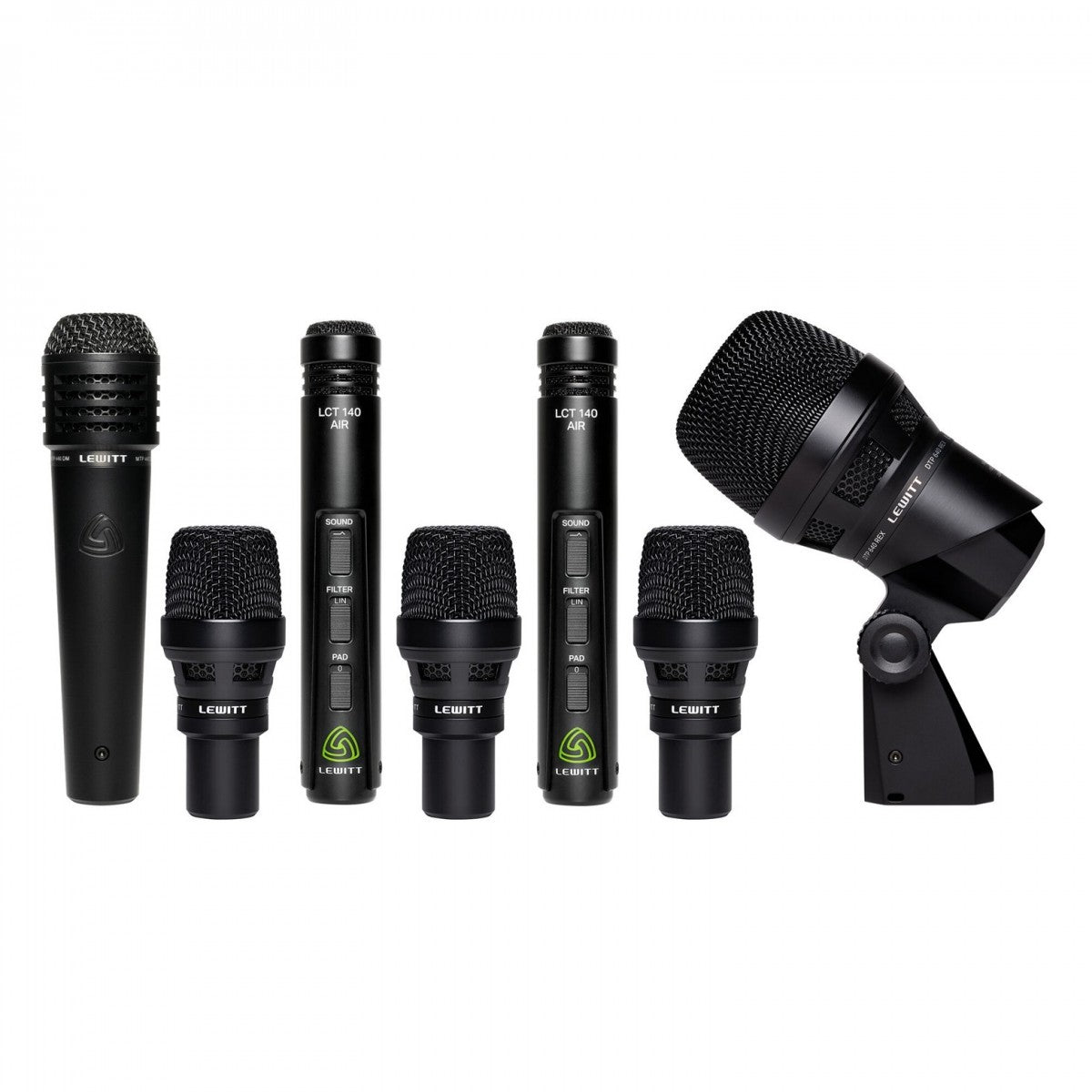
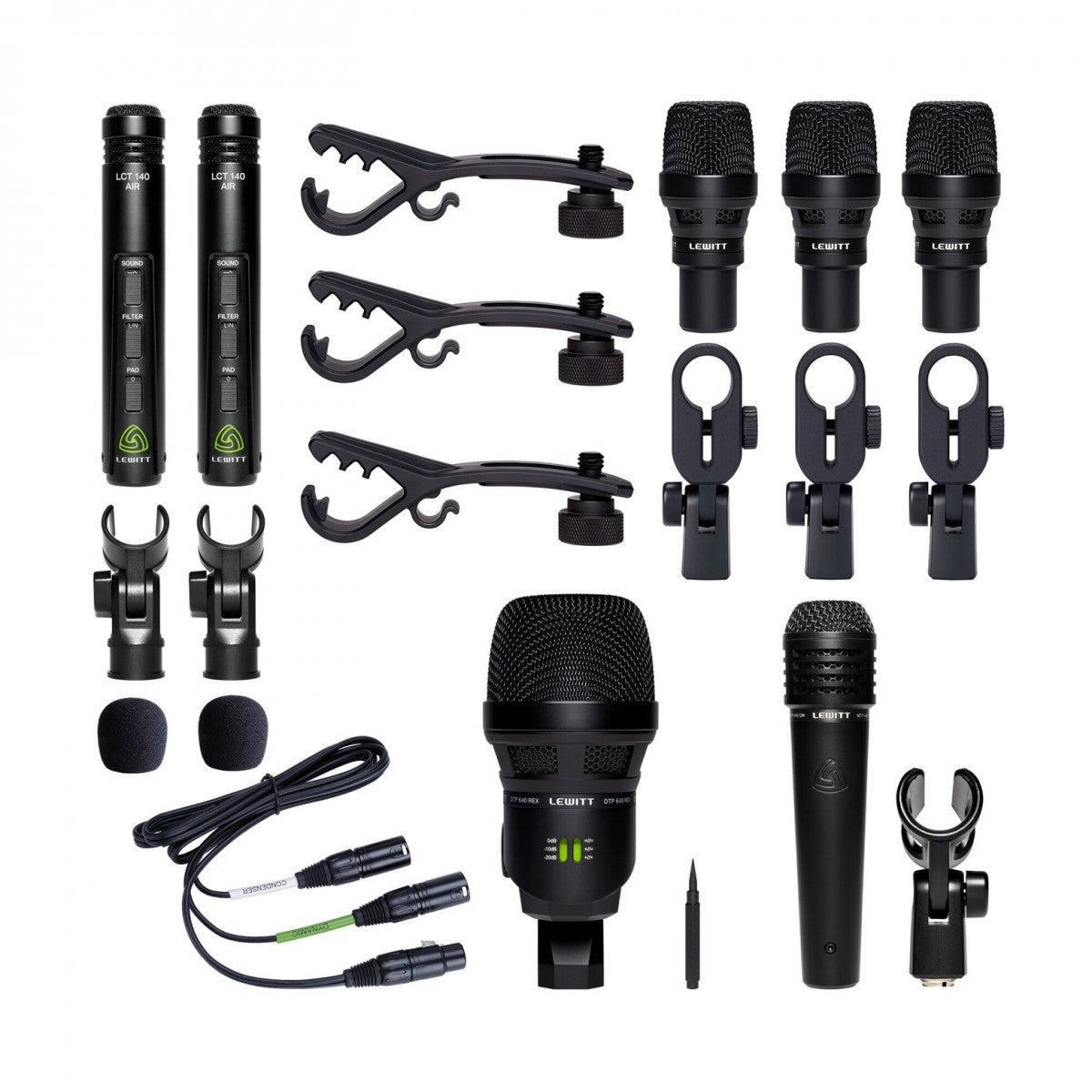
Lewitt BEATKITPRO 7-Piece Drum Microphone Set
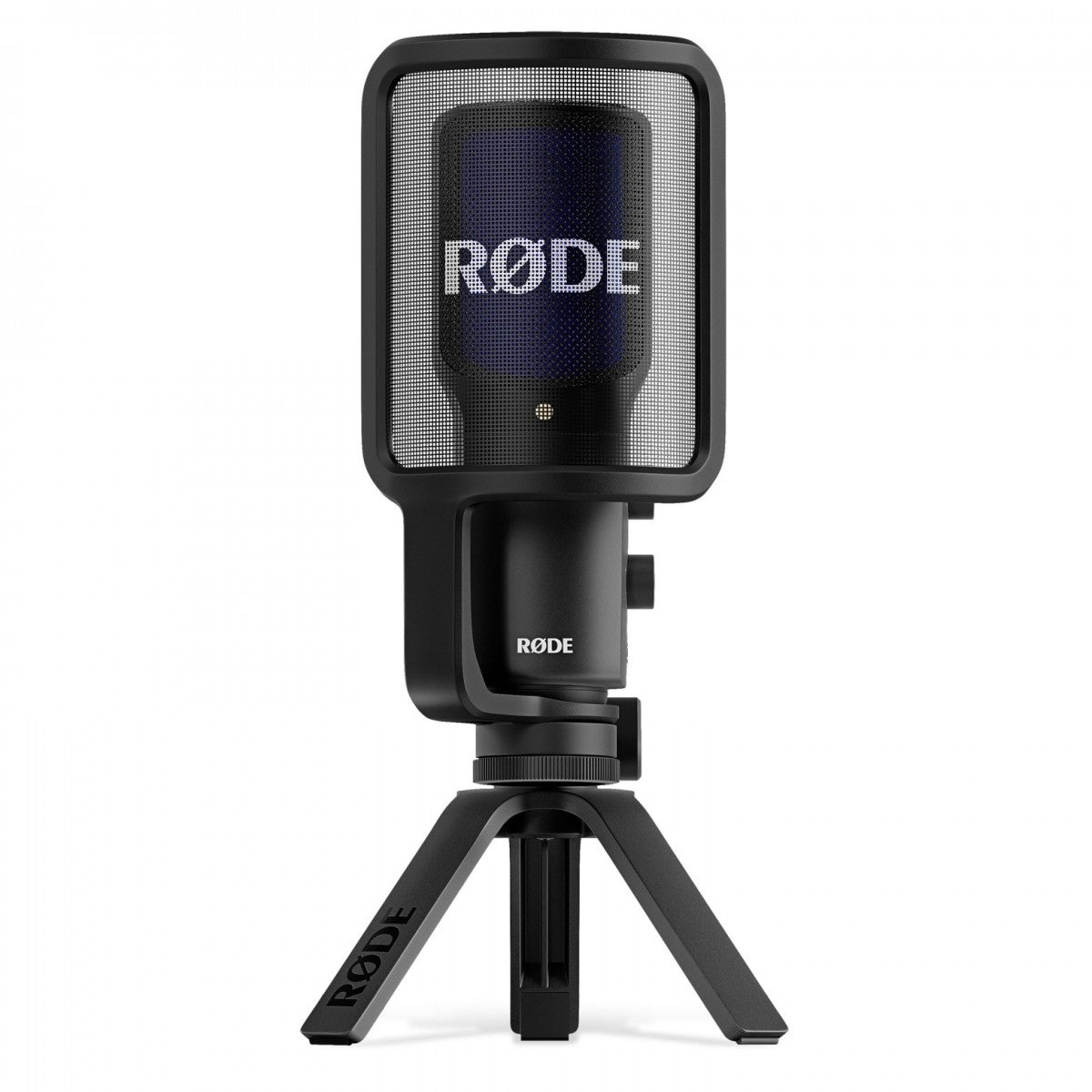
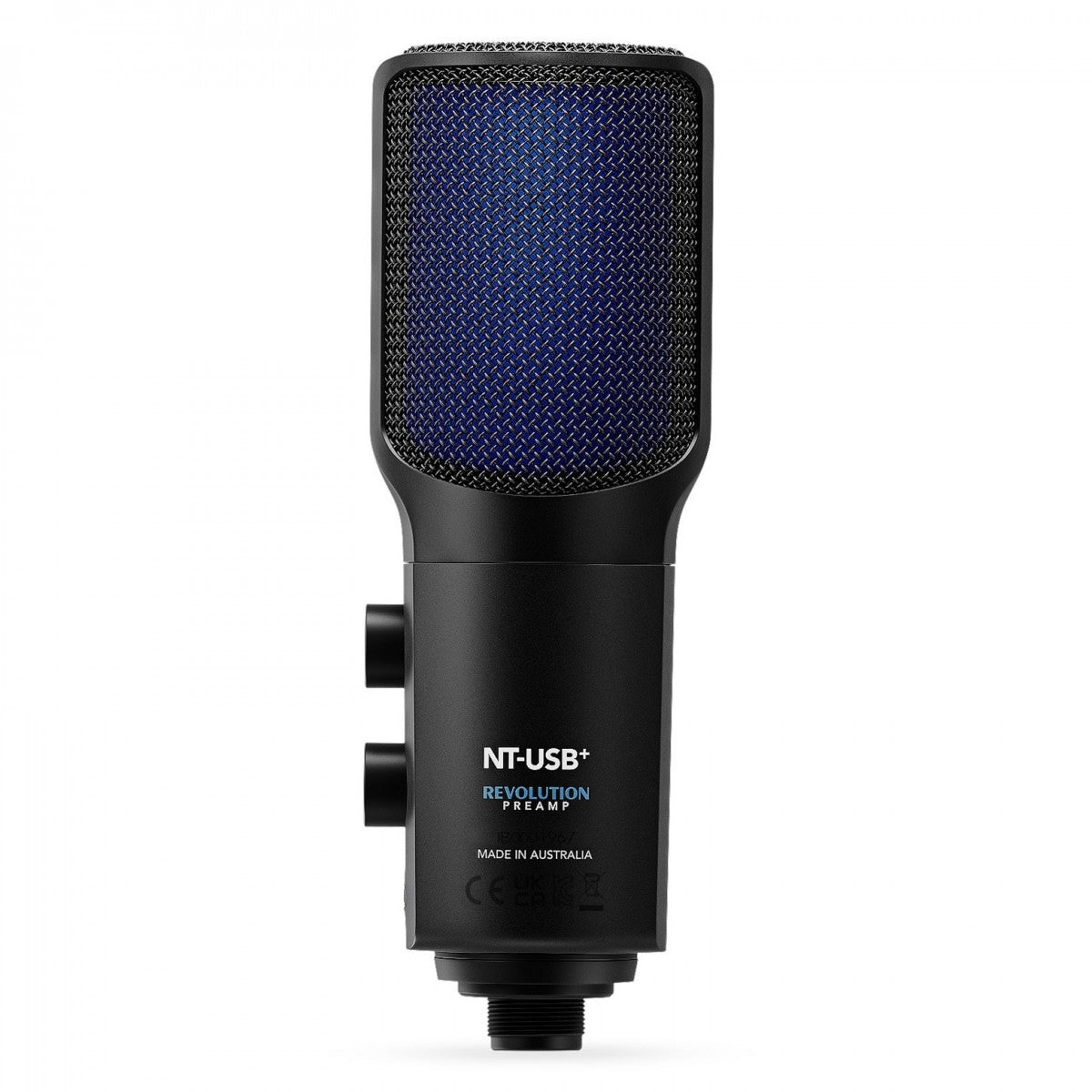
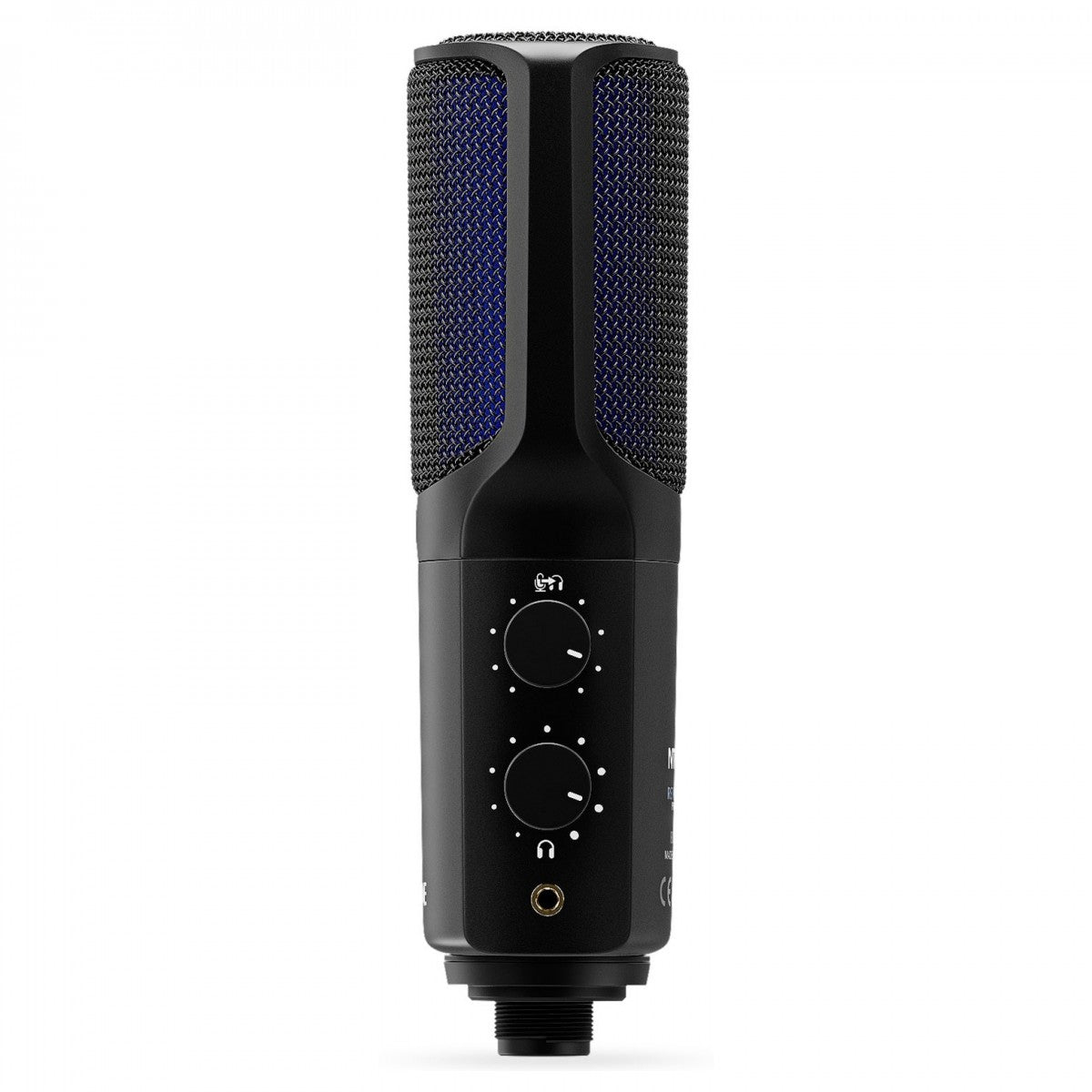
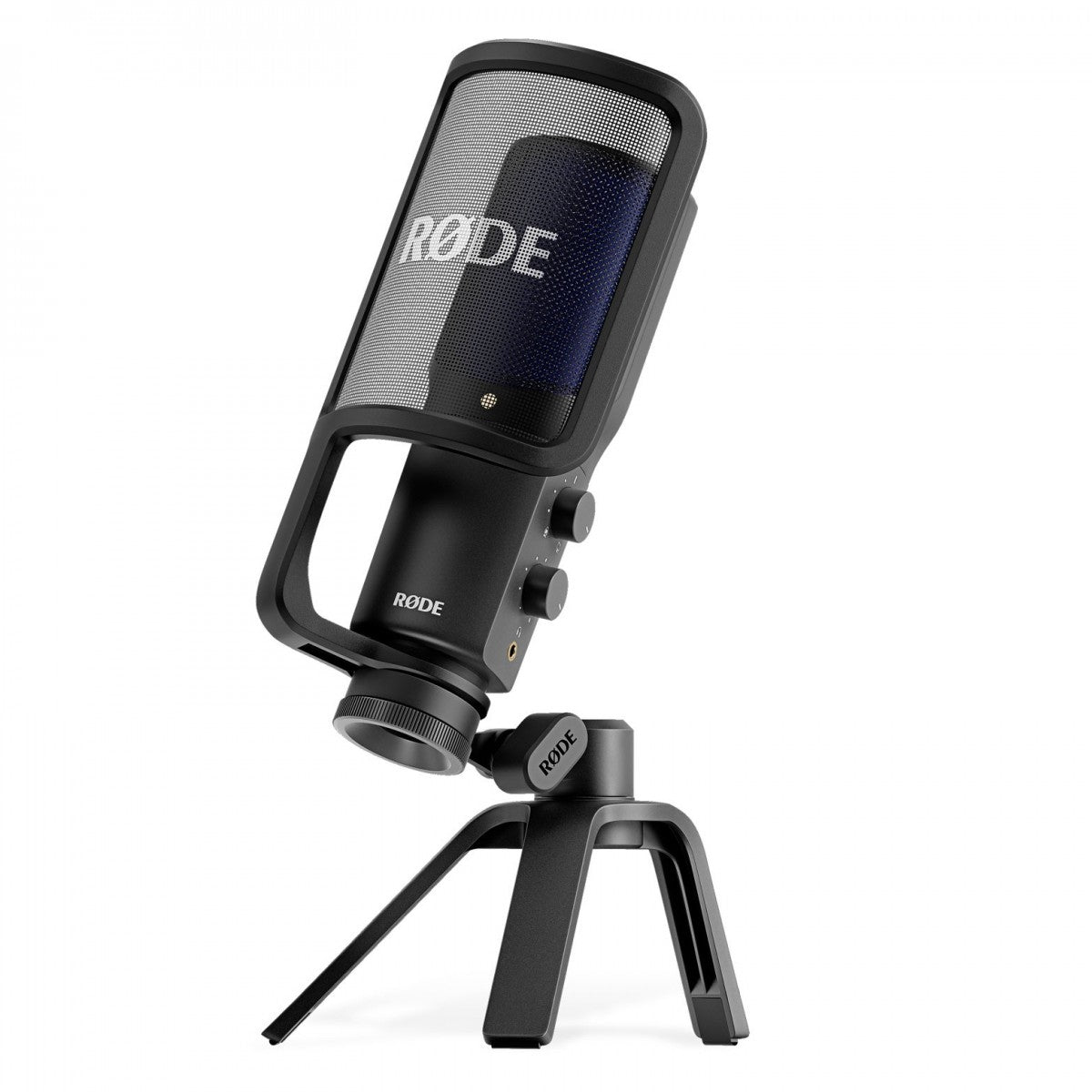
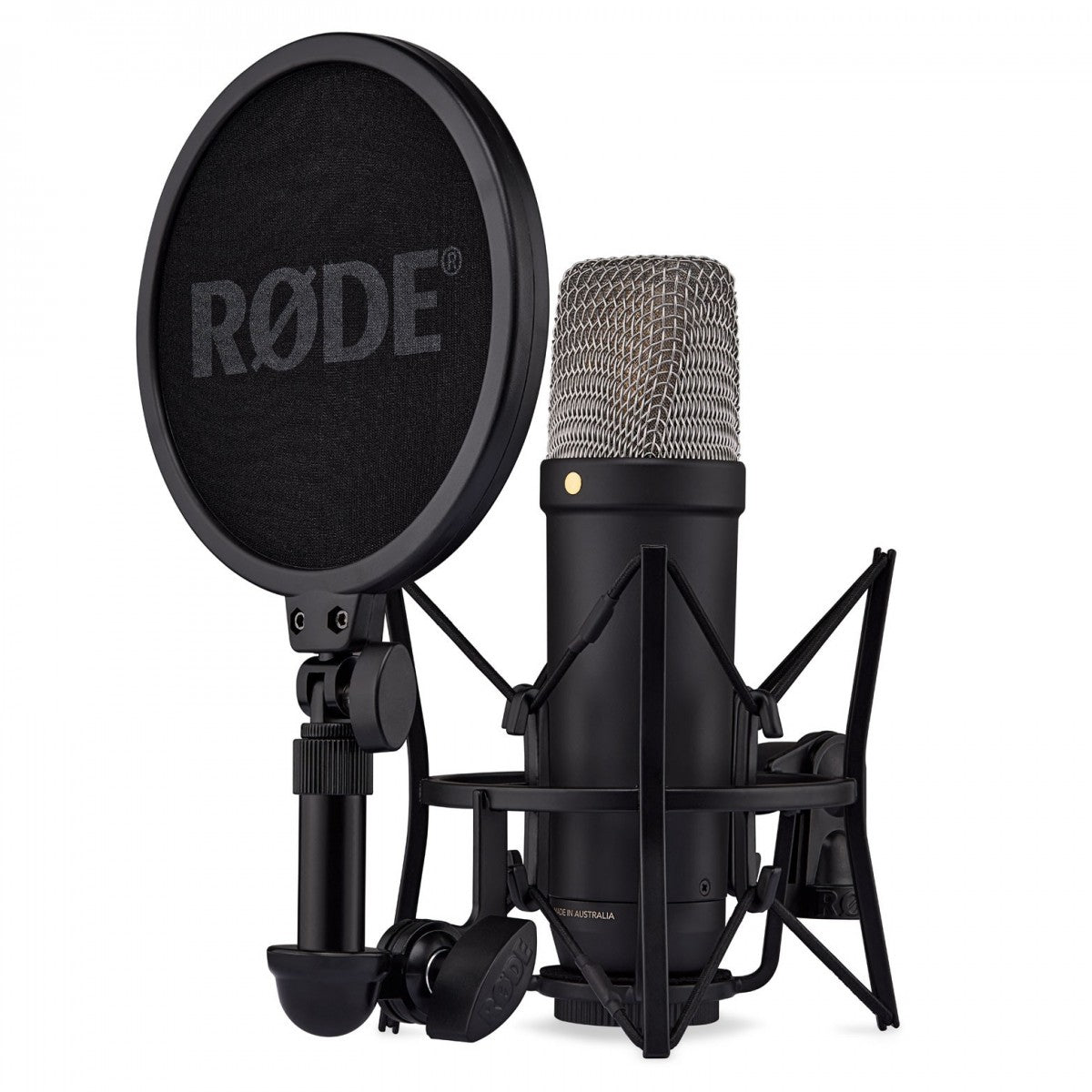
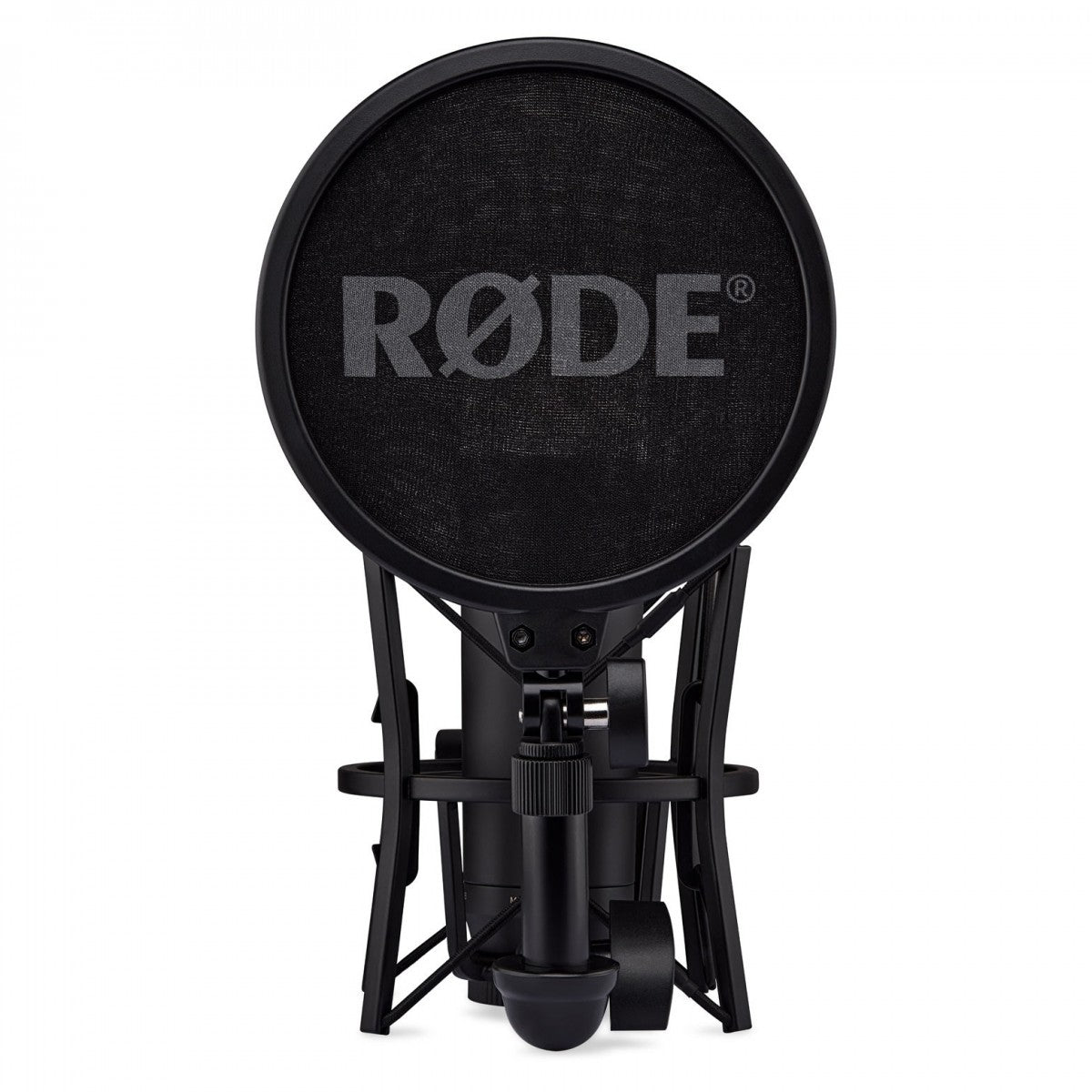
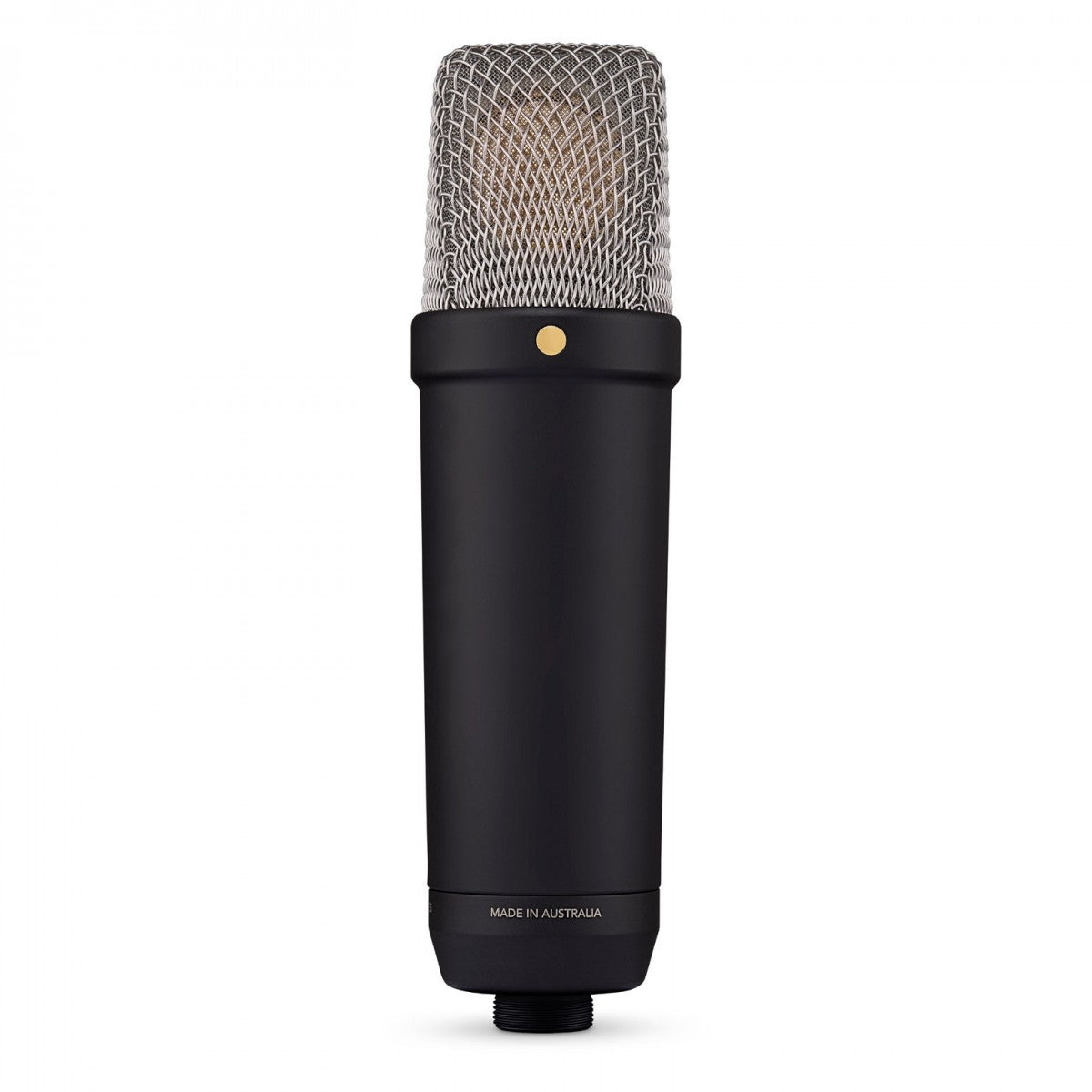
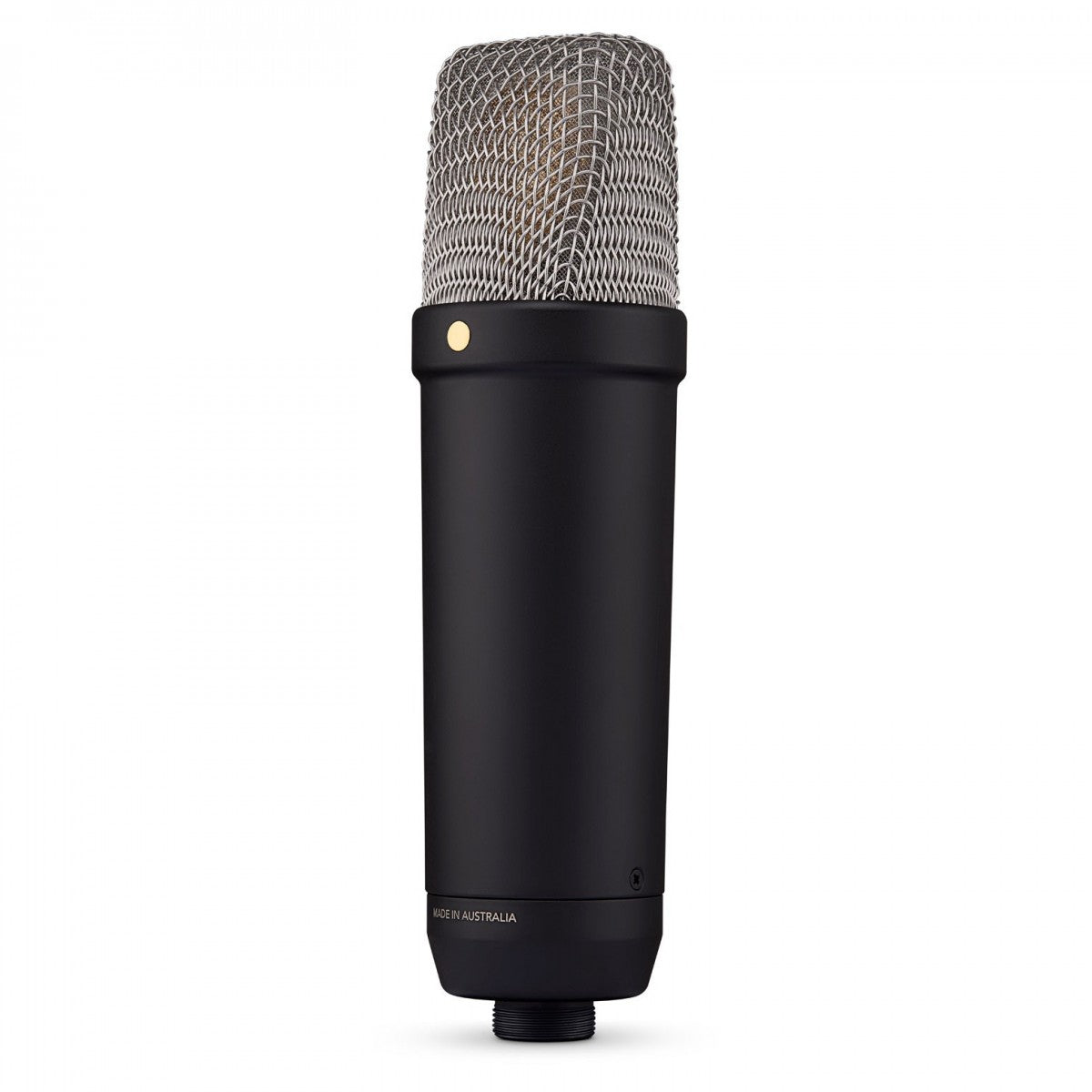
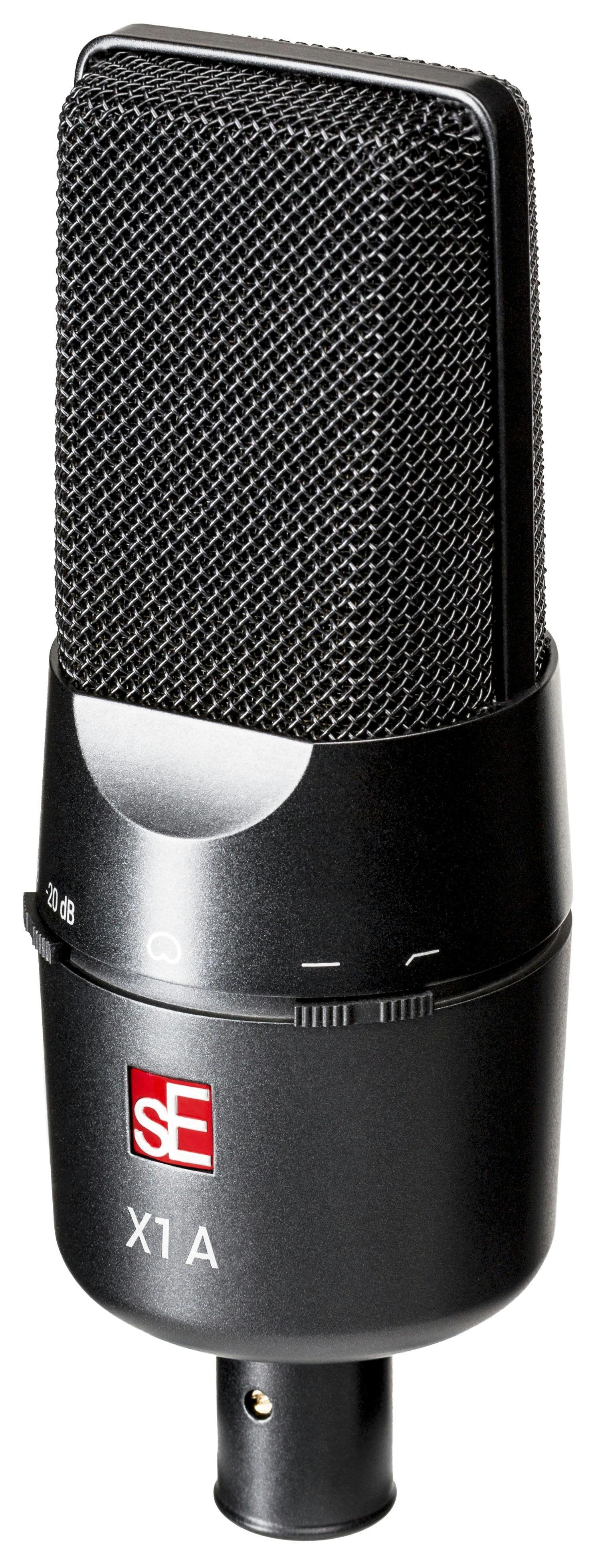
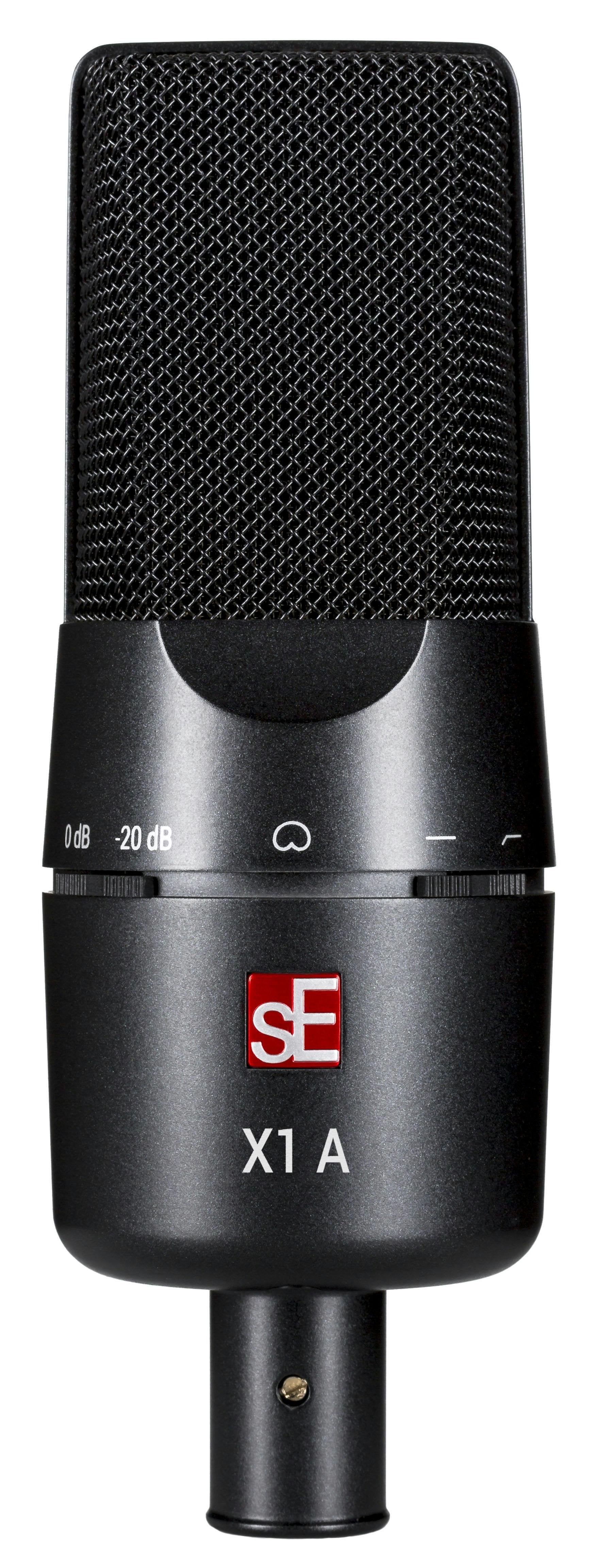
Lewitt LCT 440 PURE Condenser Microphone, (Open-Boxed)
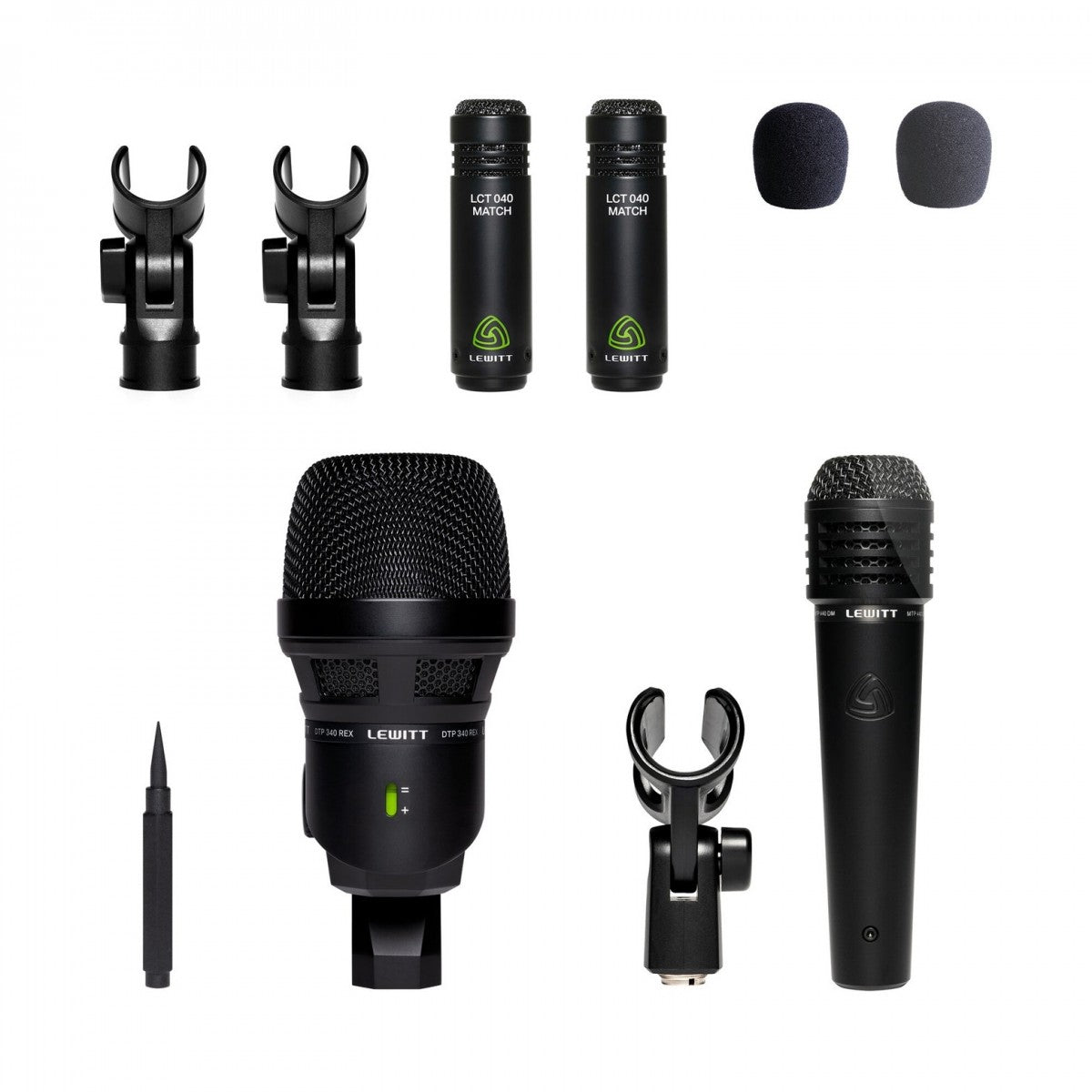
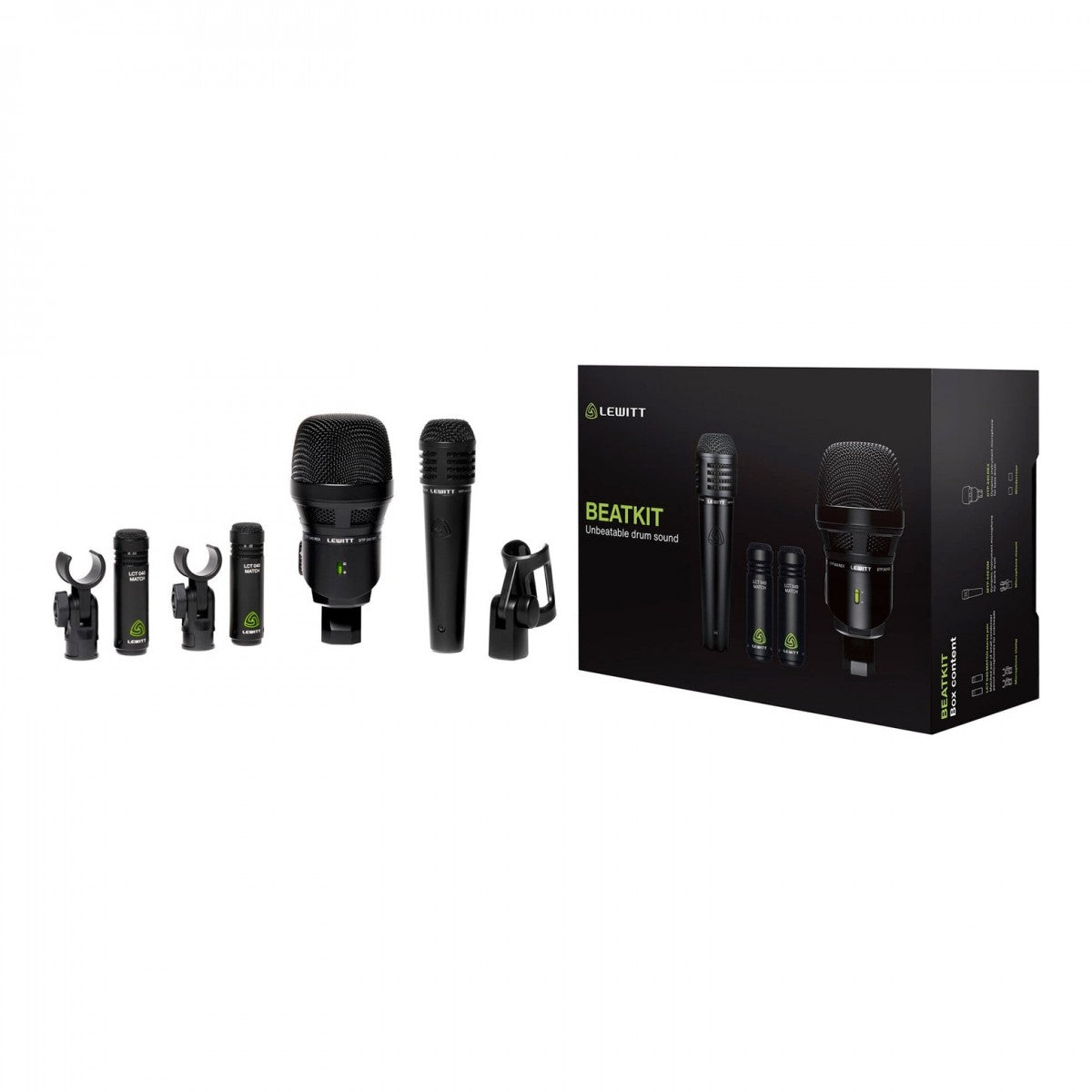
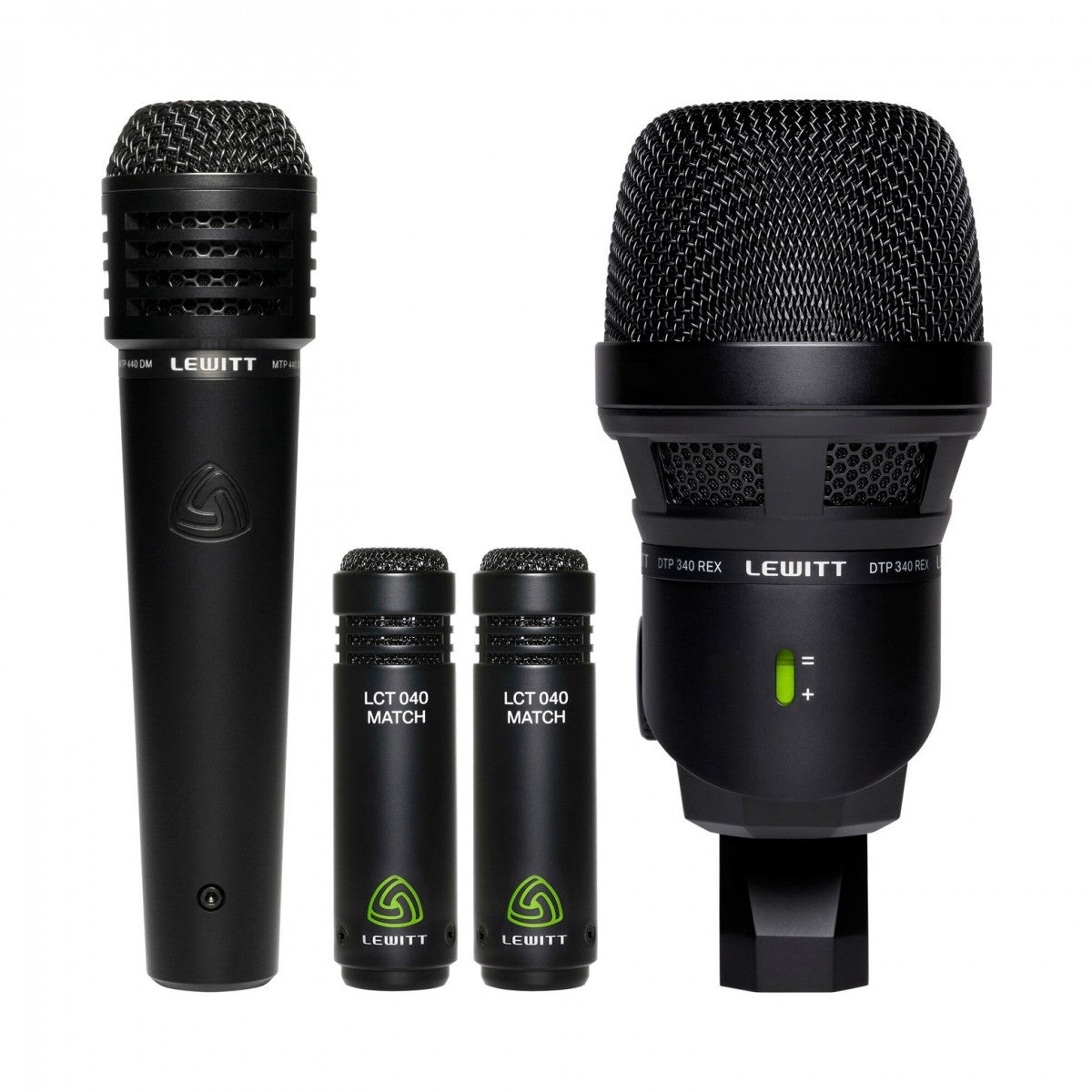
Lewitt BEATKIT 4-Piece Drum Microphone Set
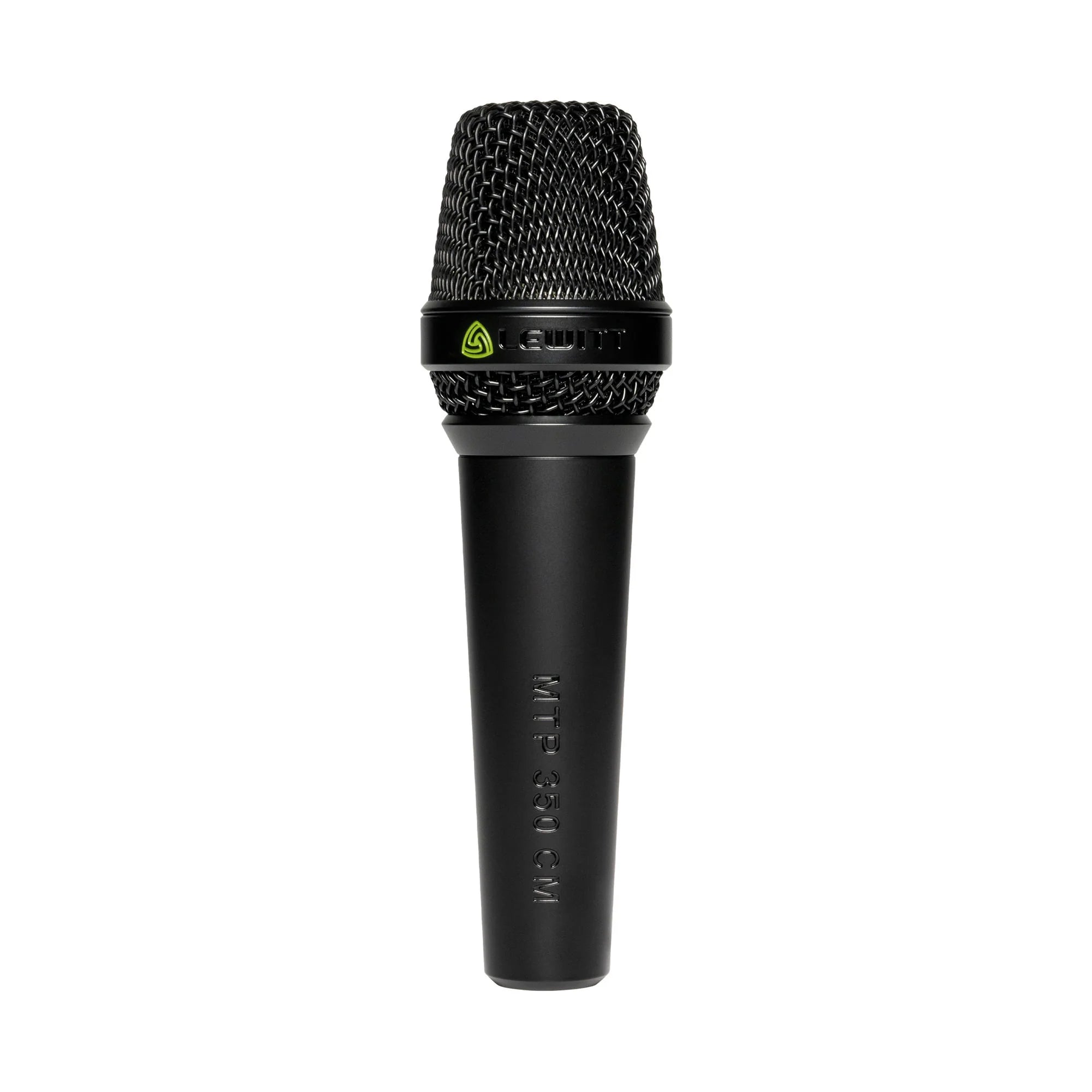
Lewitt MTP 350 CM - Condenser Handheld Microphone
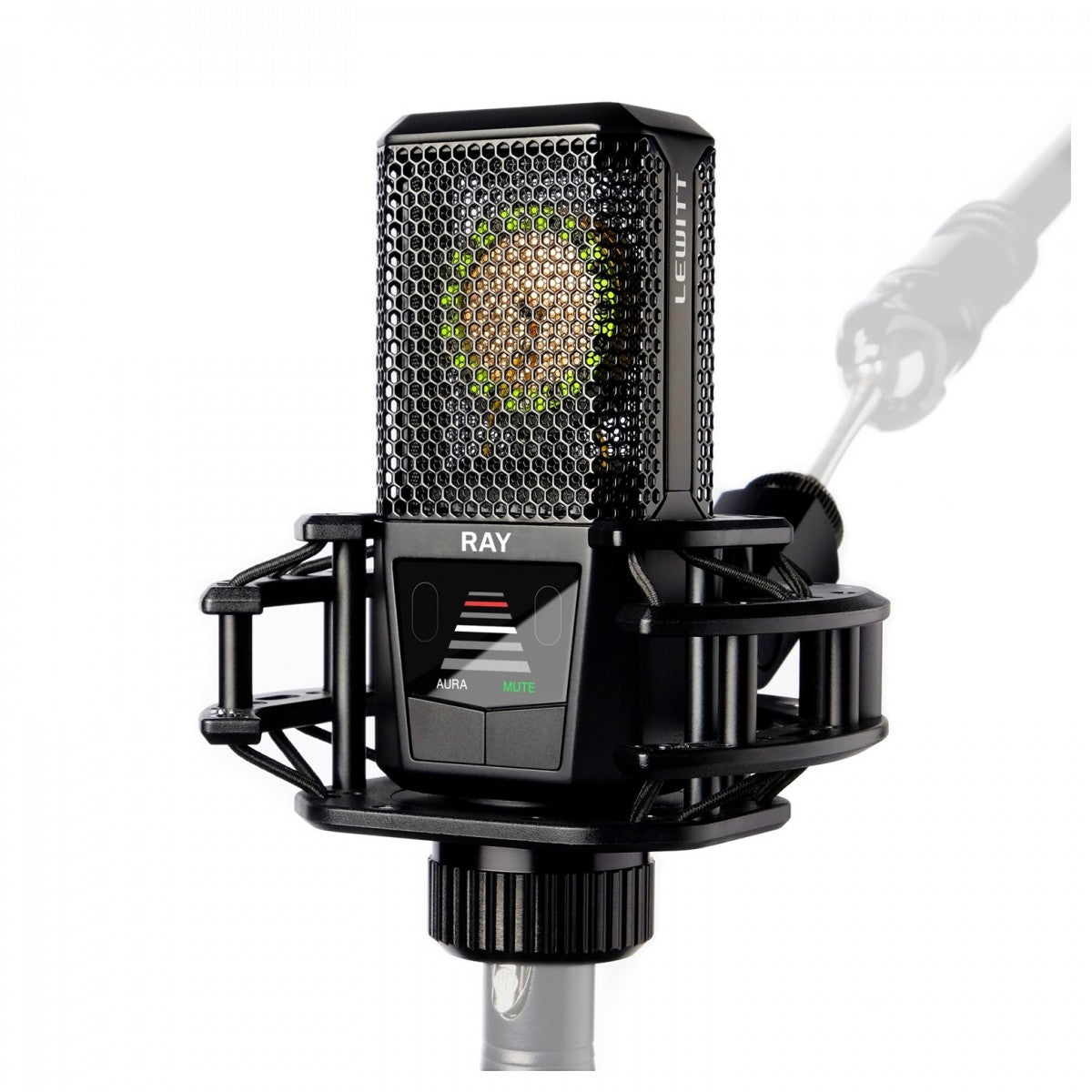
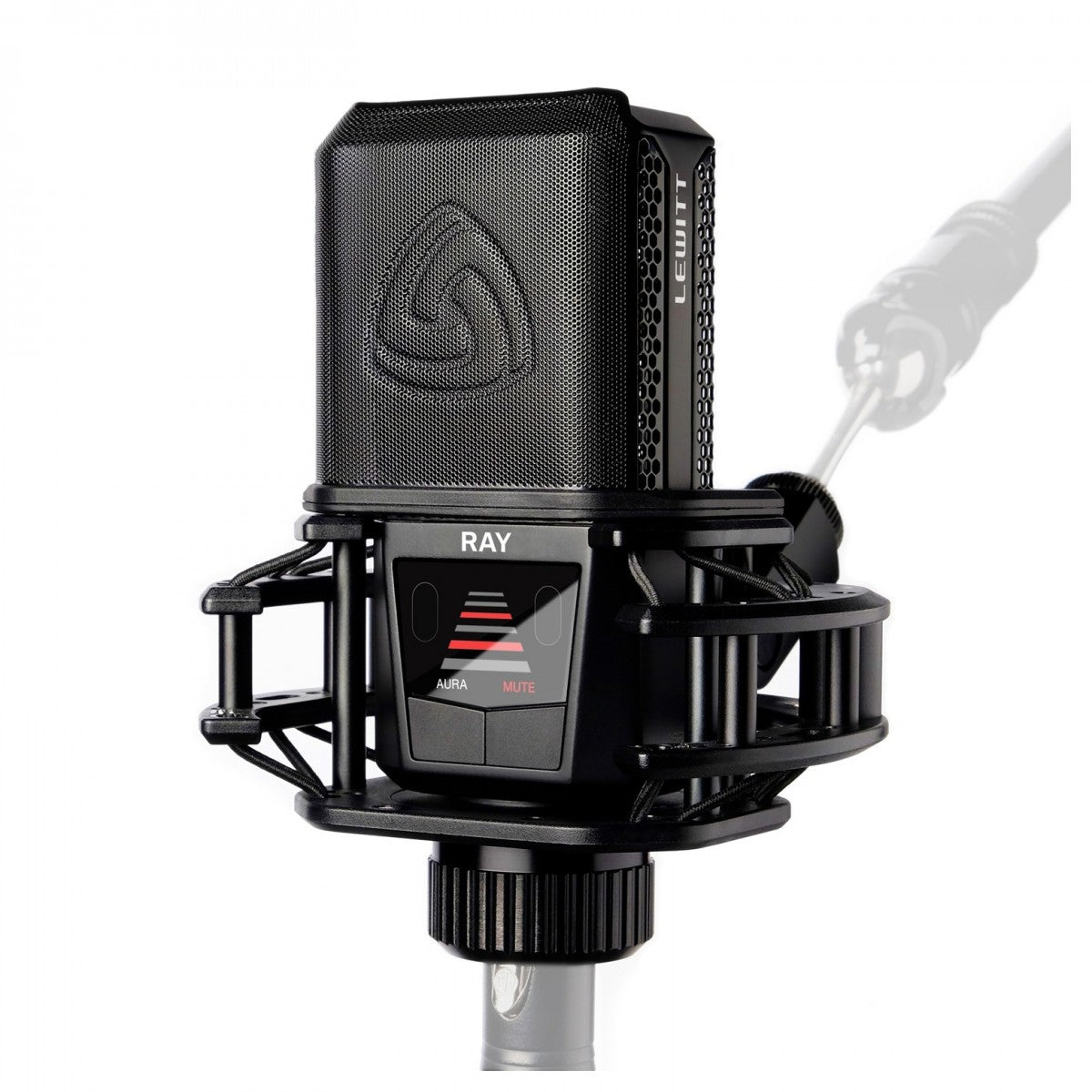
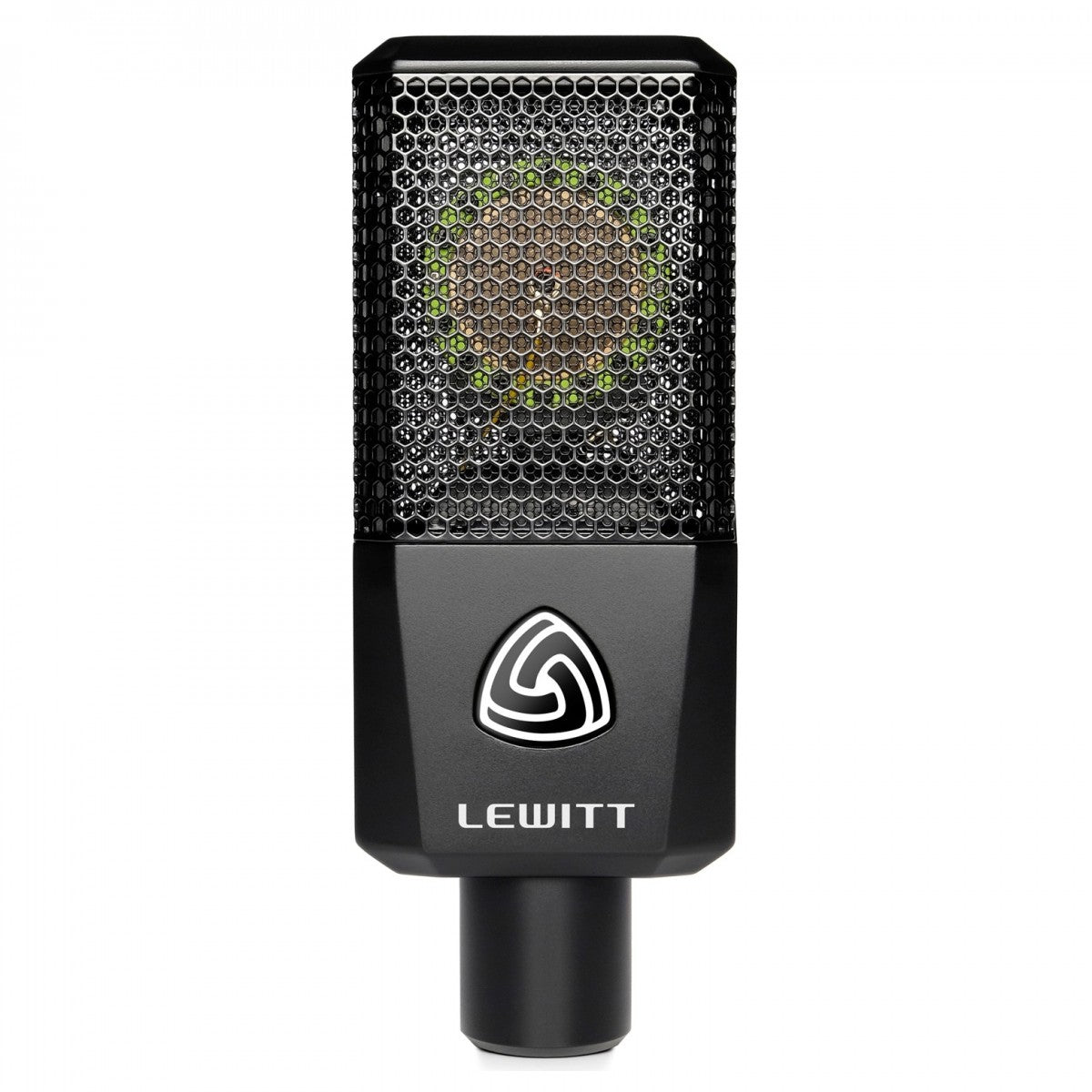
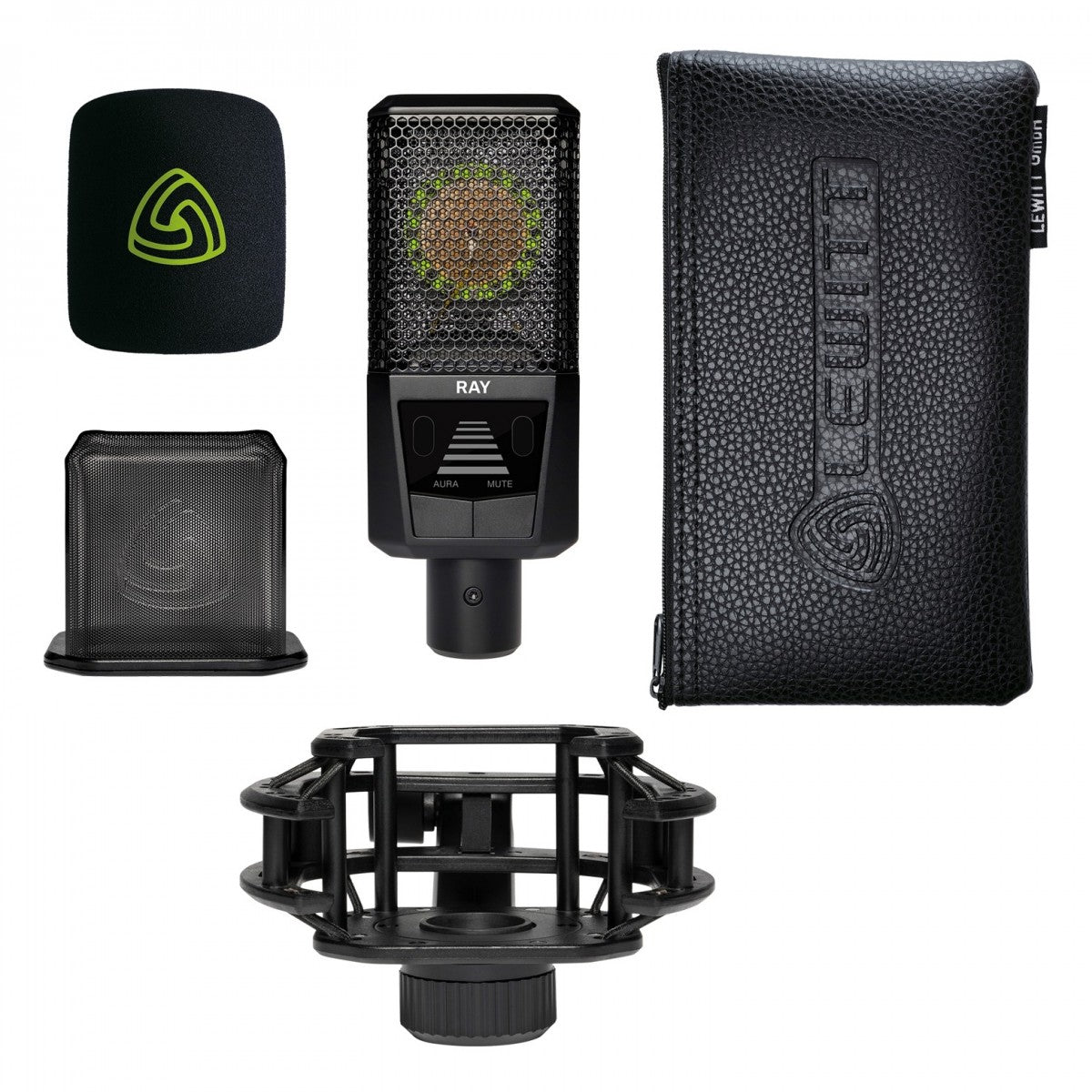
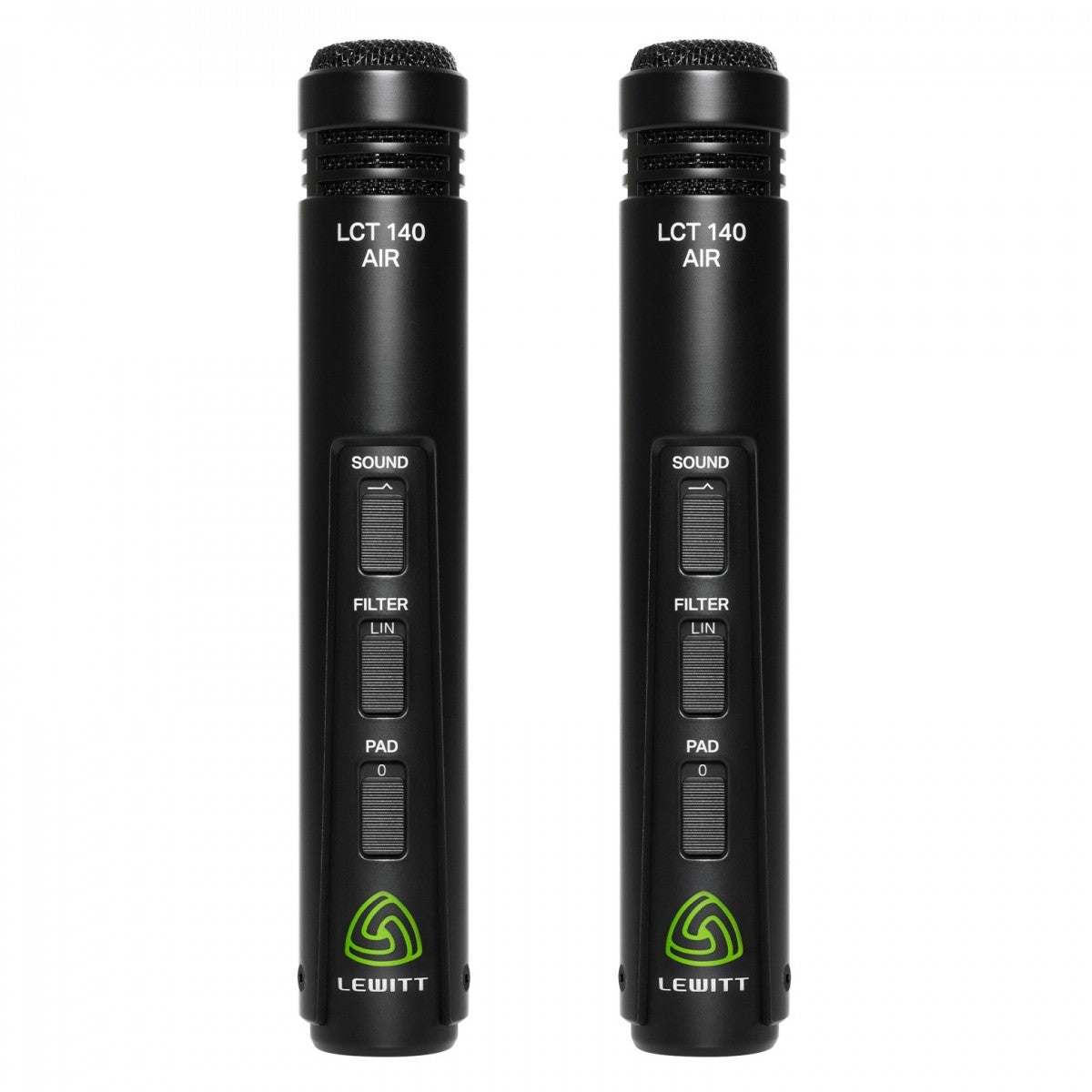
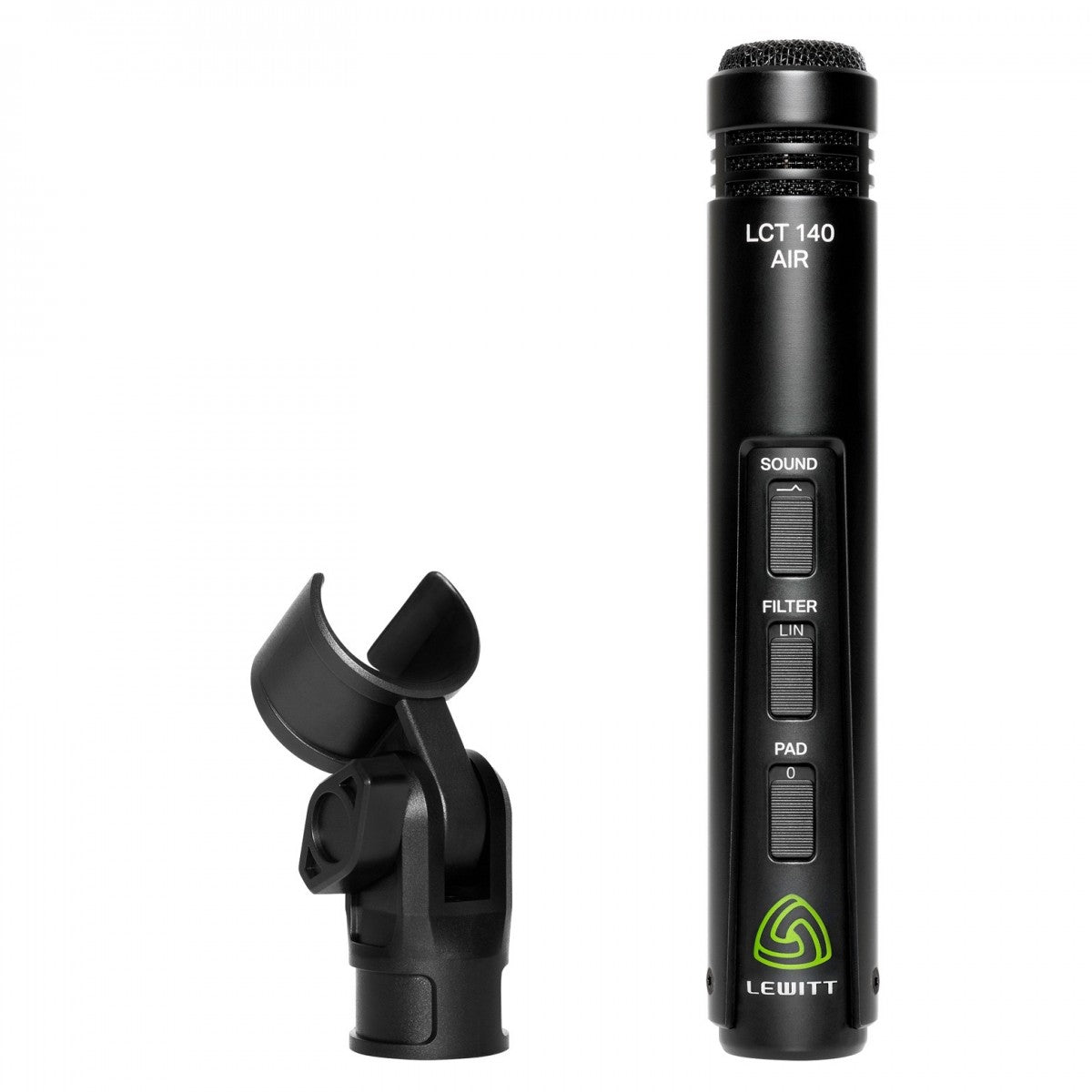
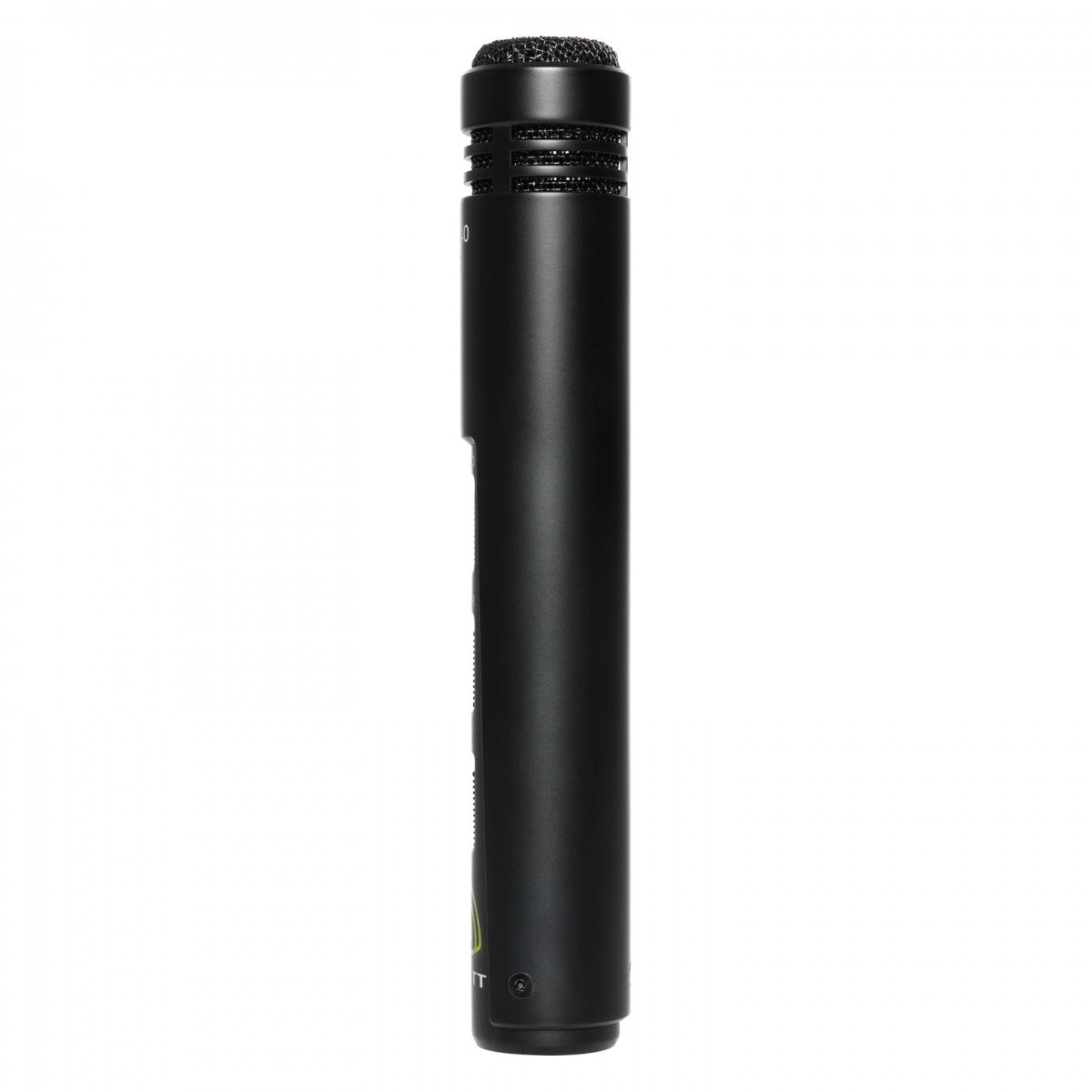
Lewitt LCT 140 AIR Condenser Microphone, Stereo Matched Pair
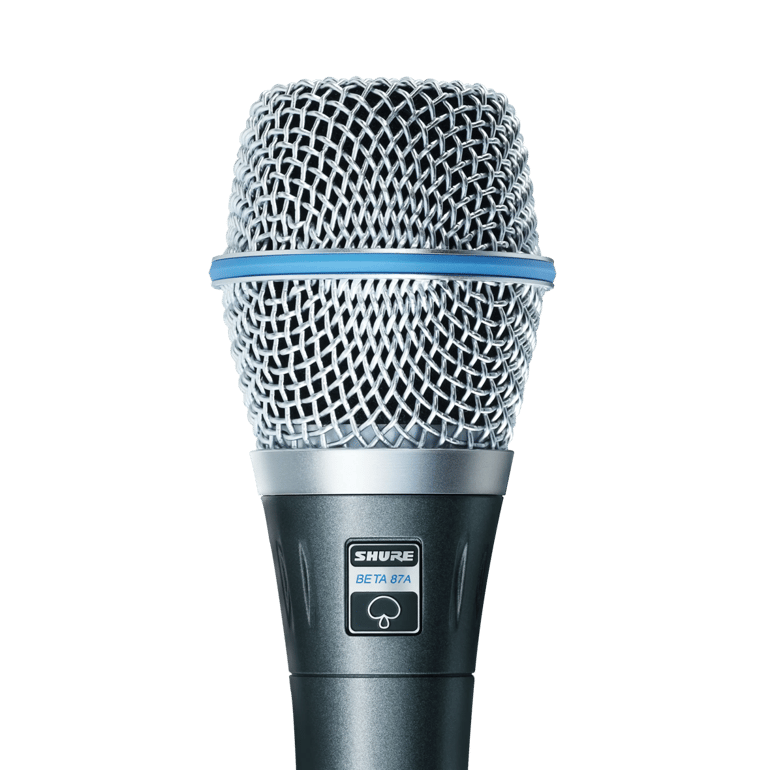
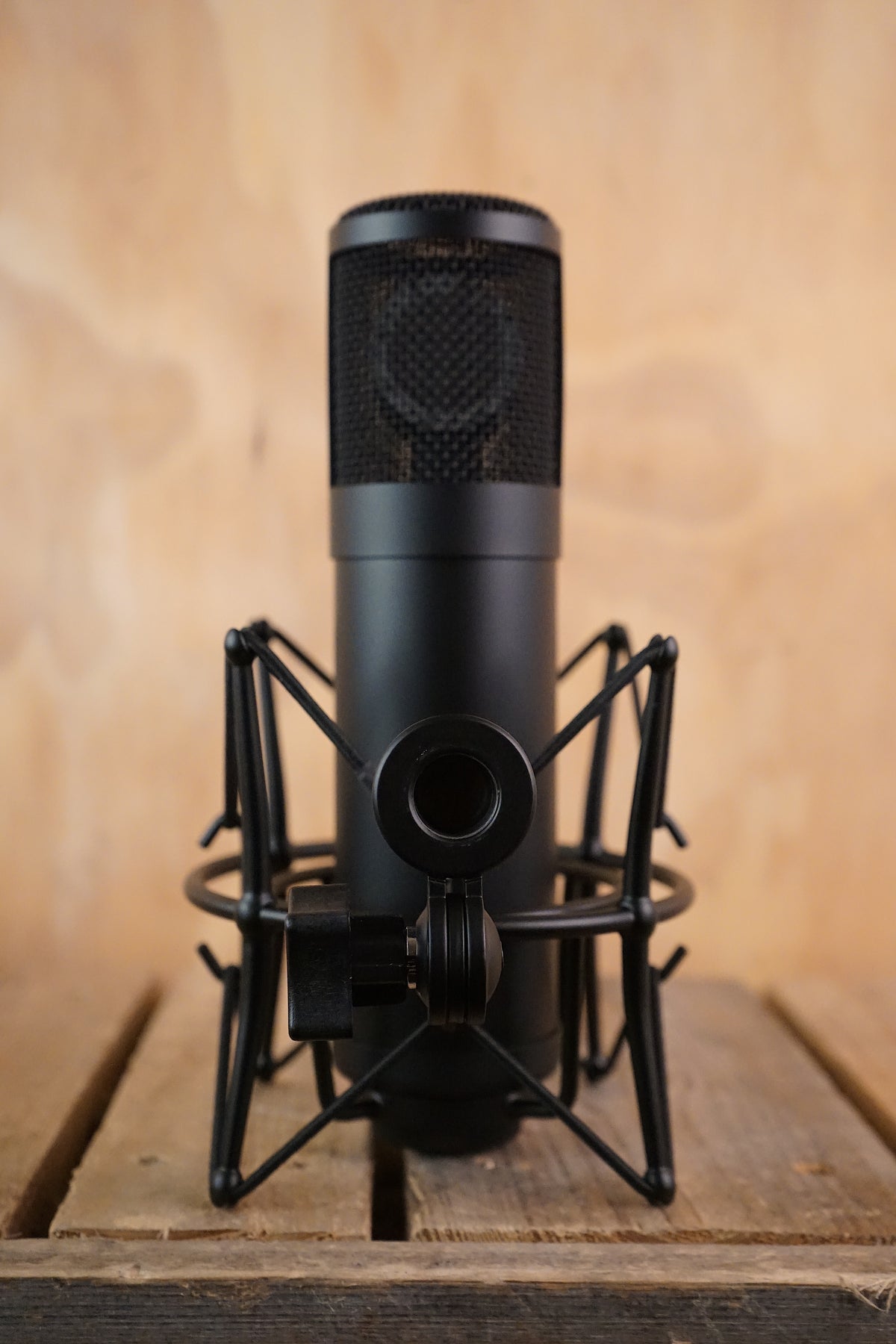
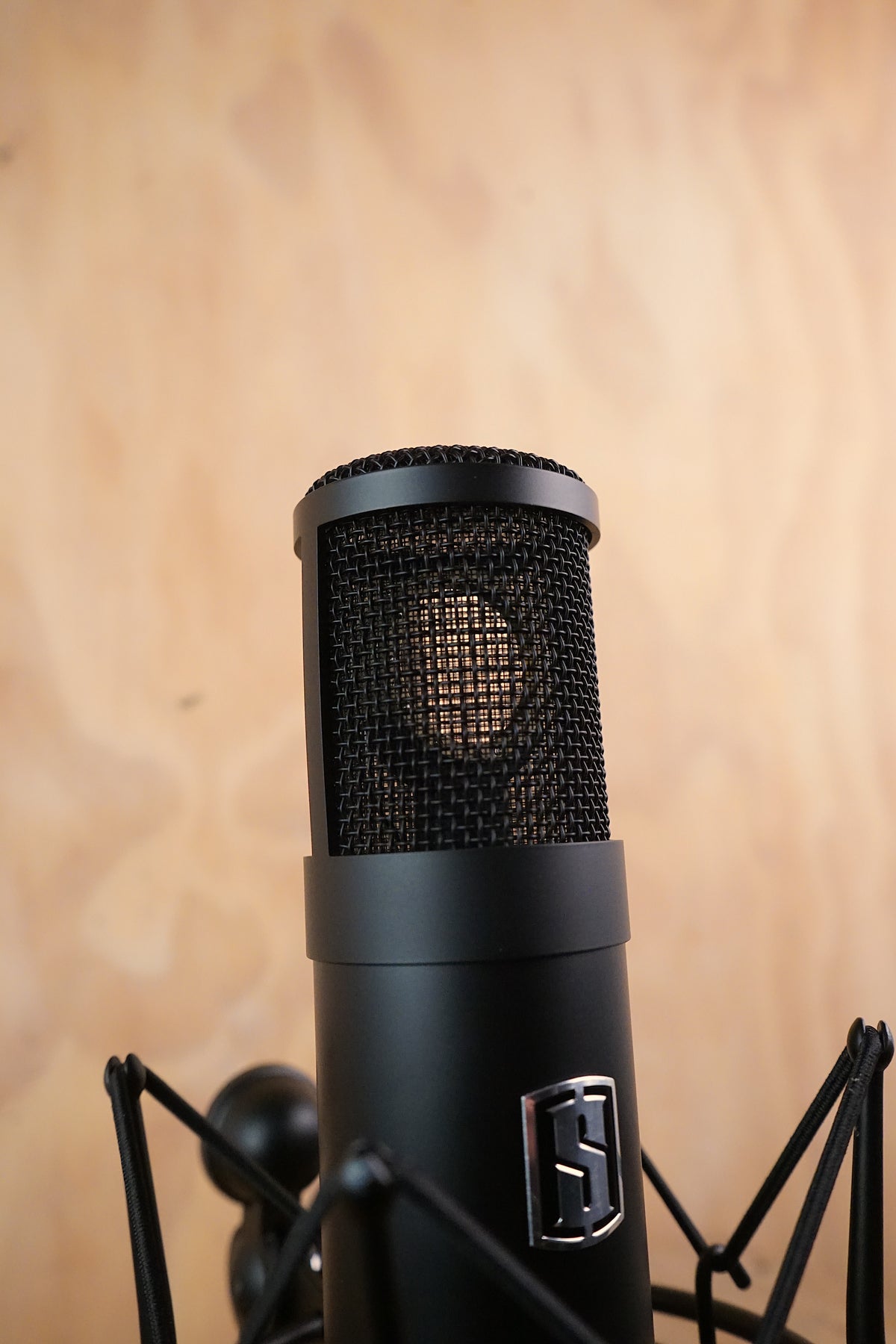
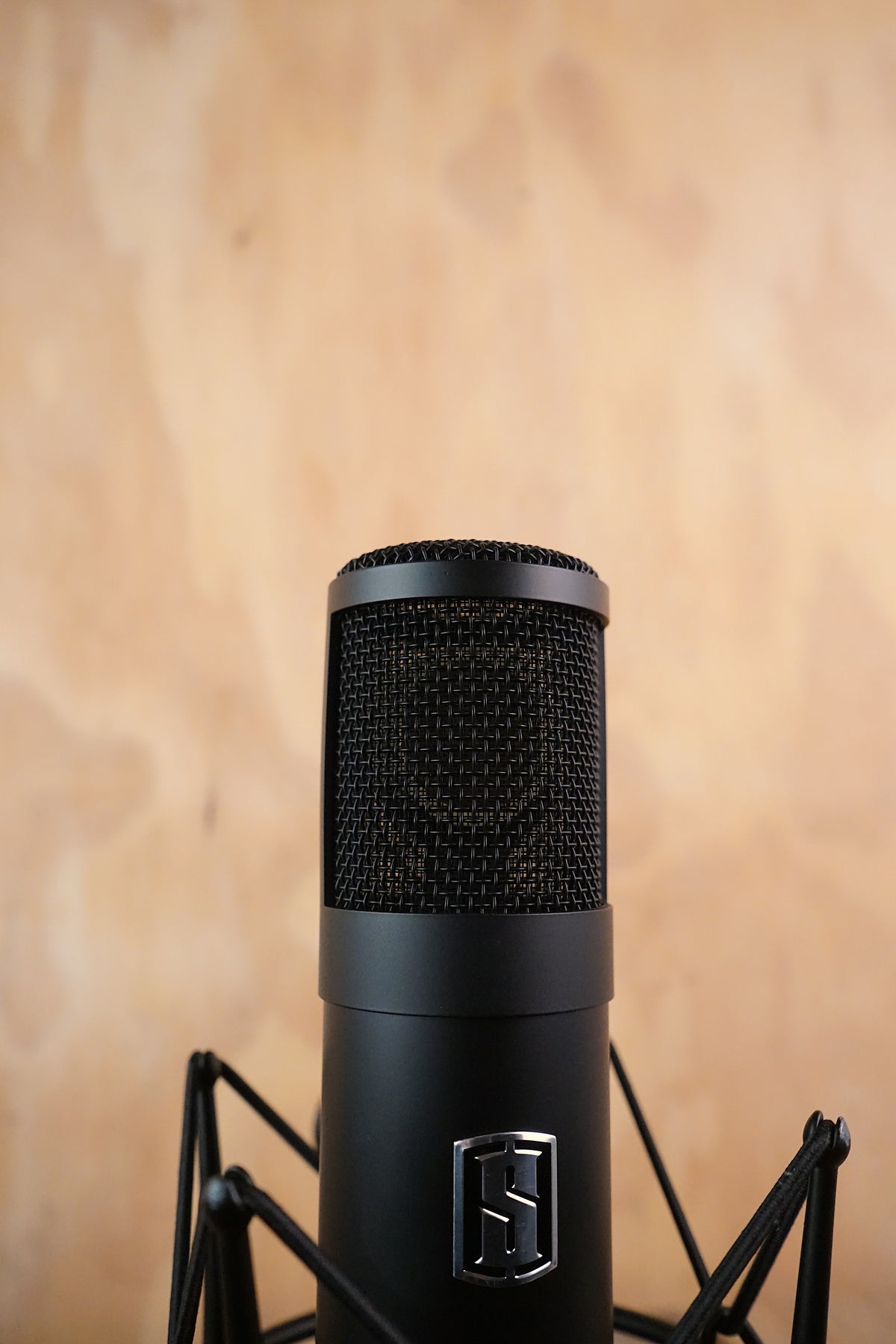
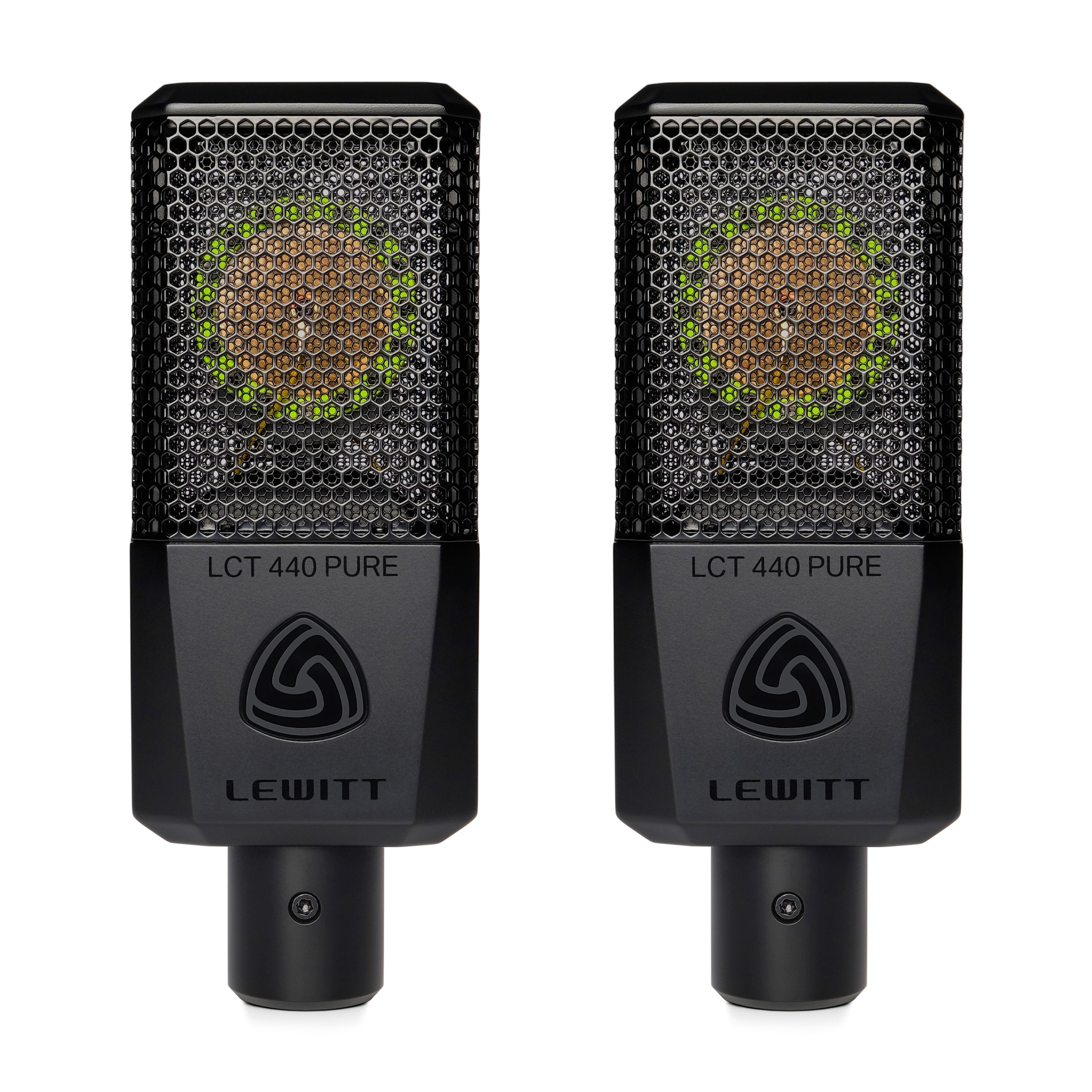
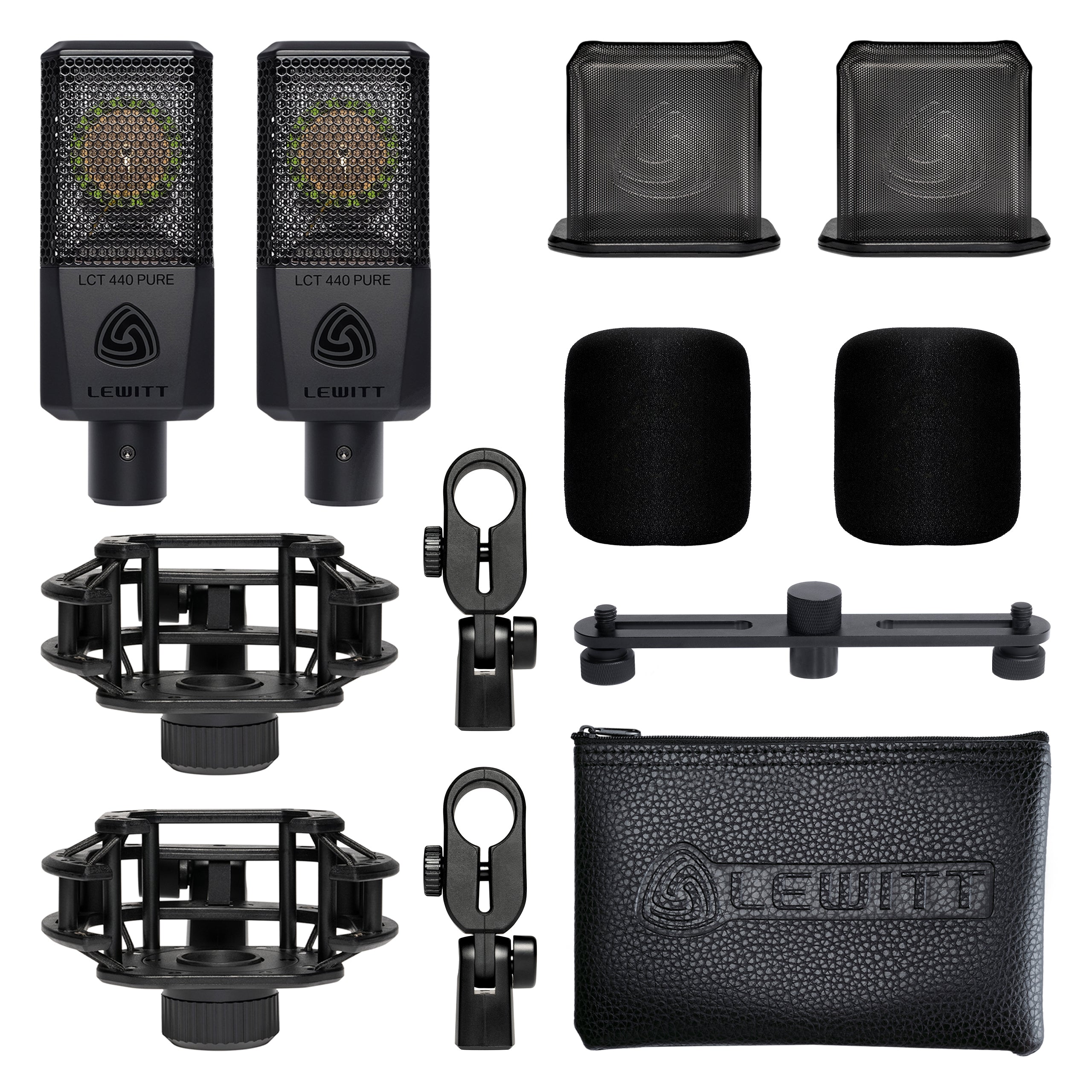
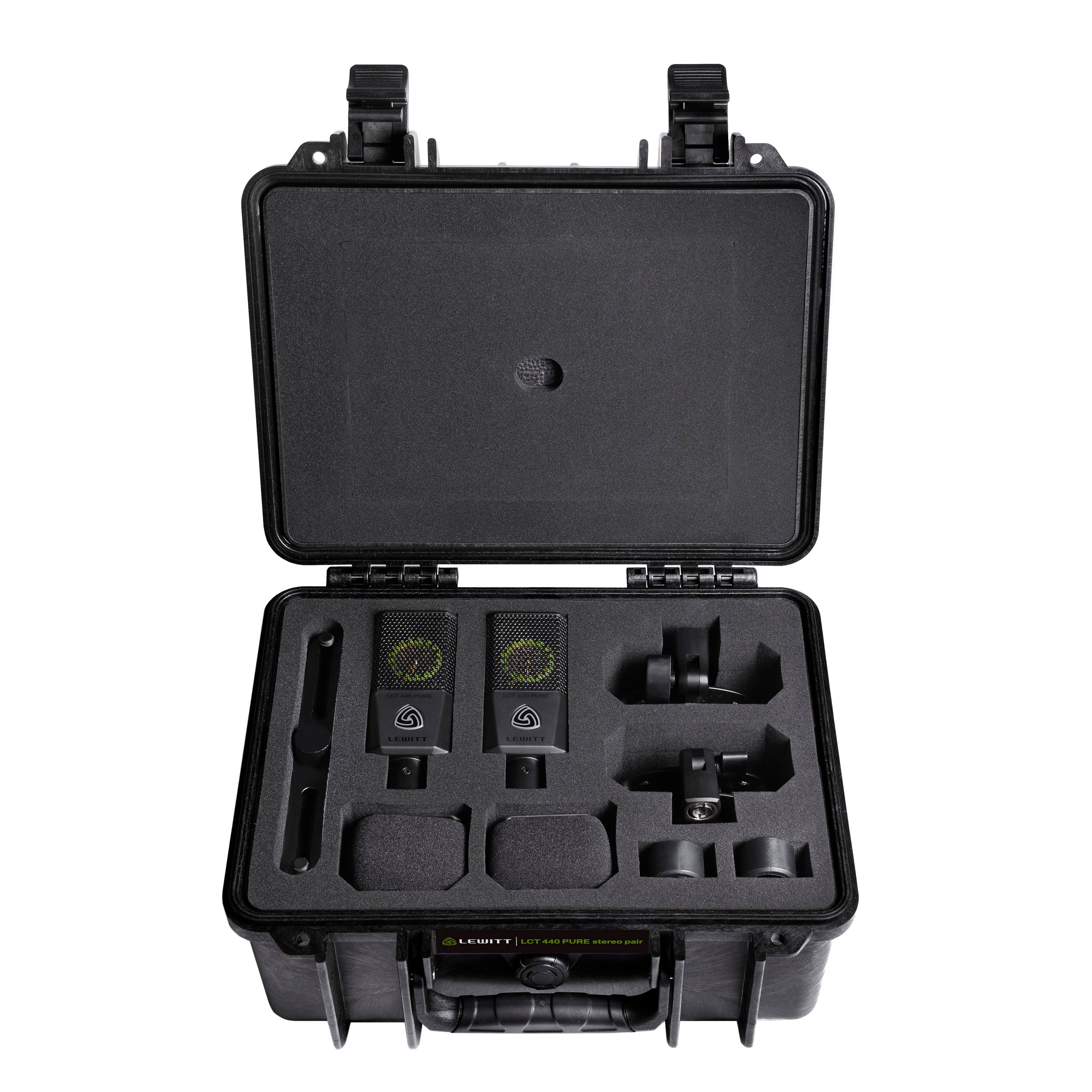
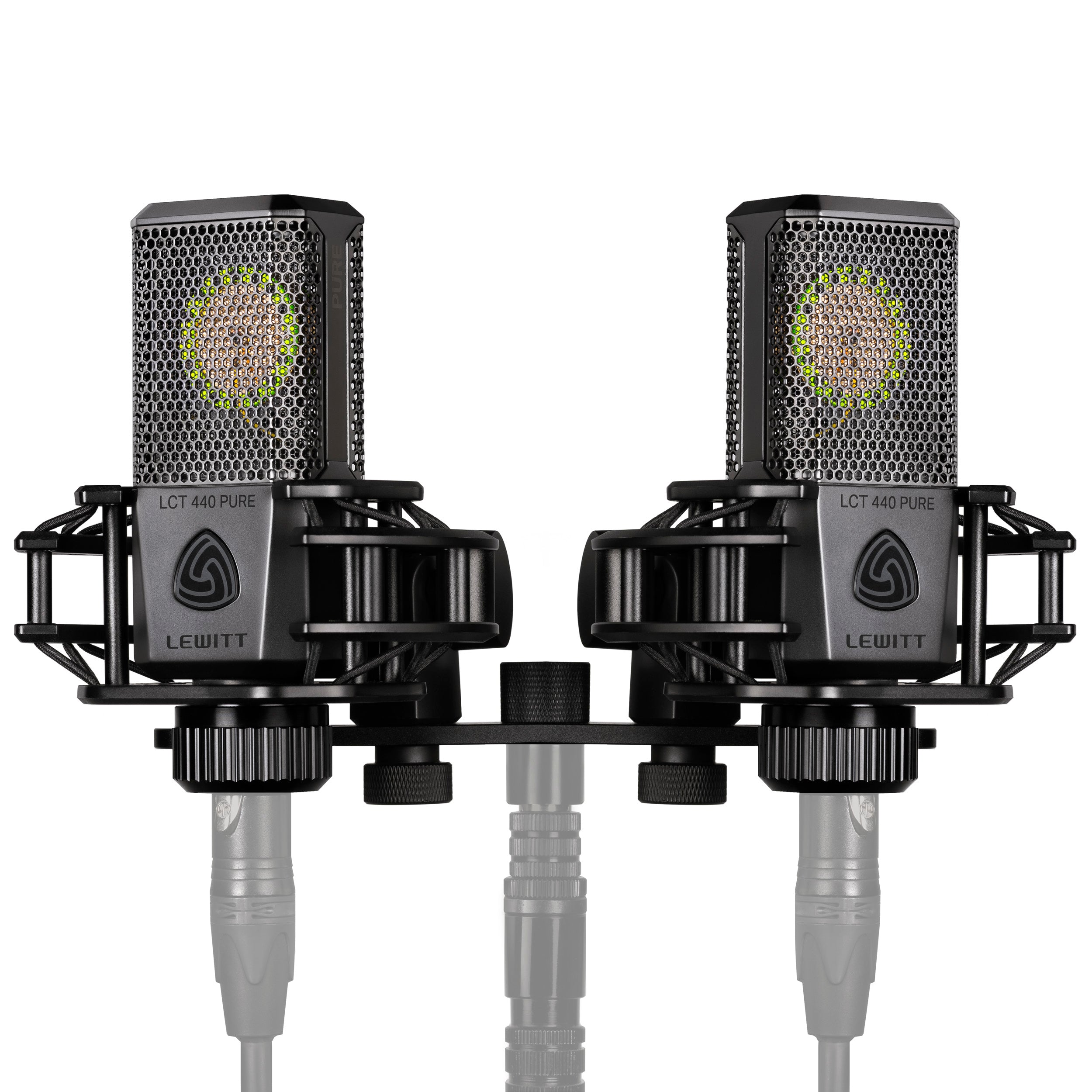
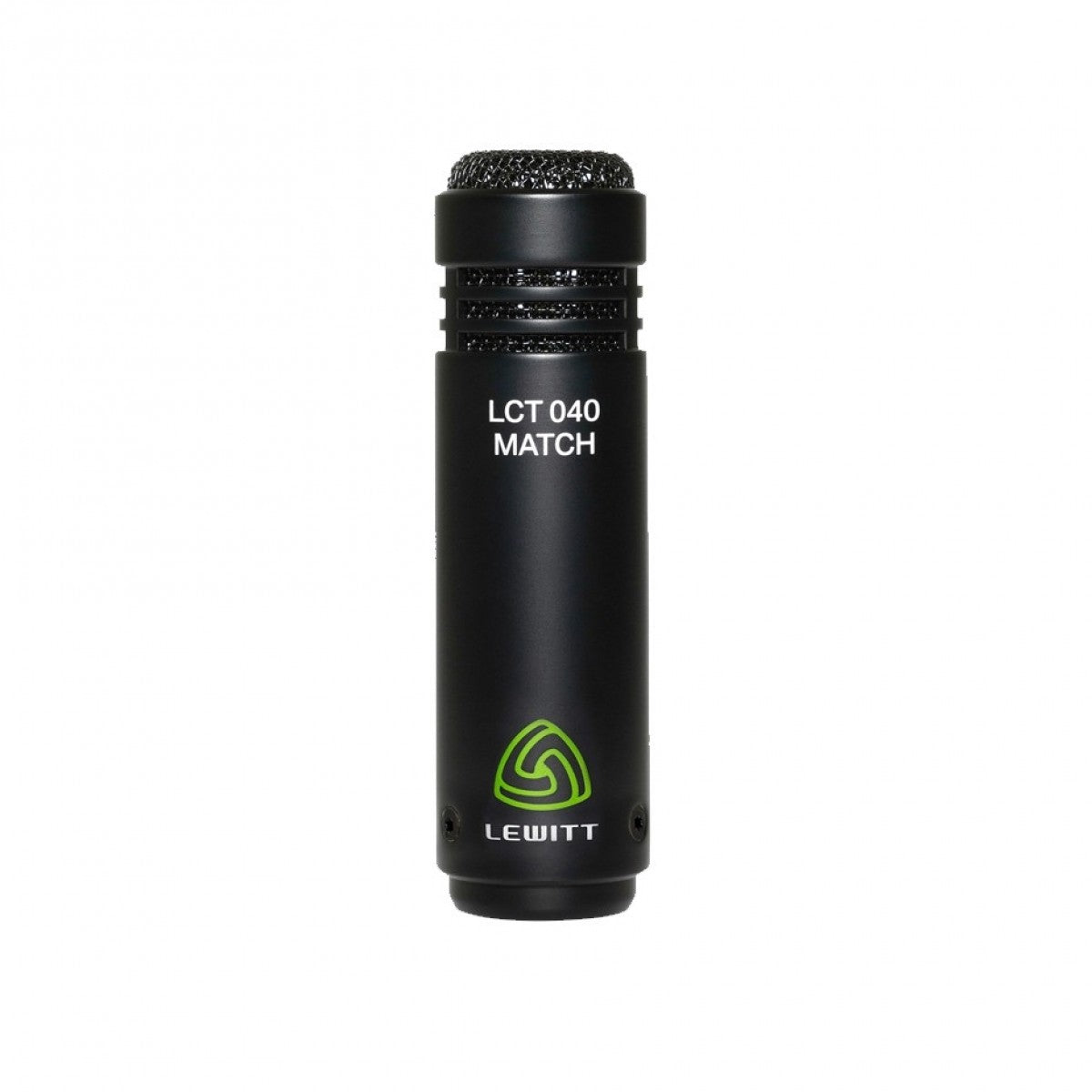
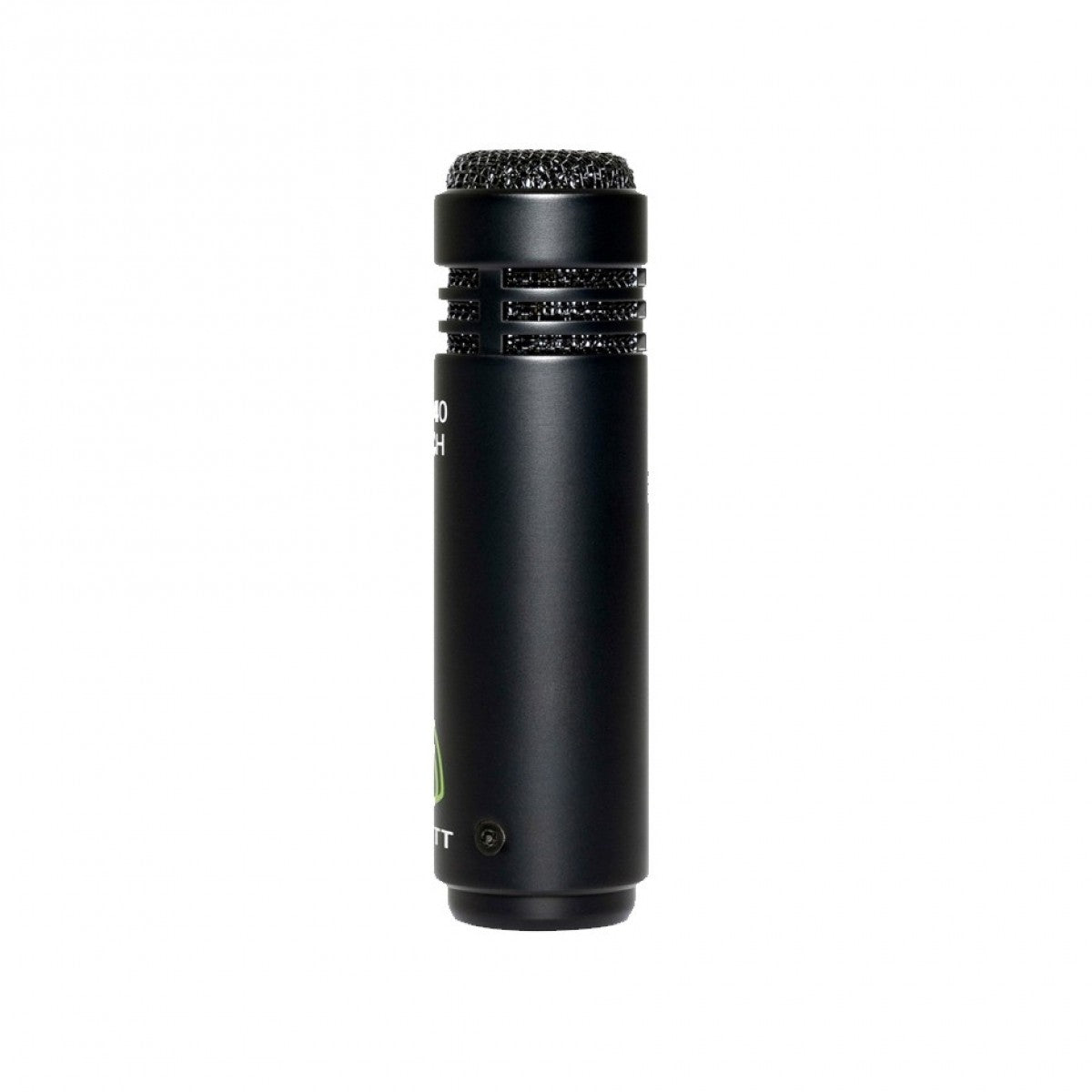
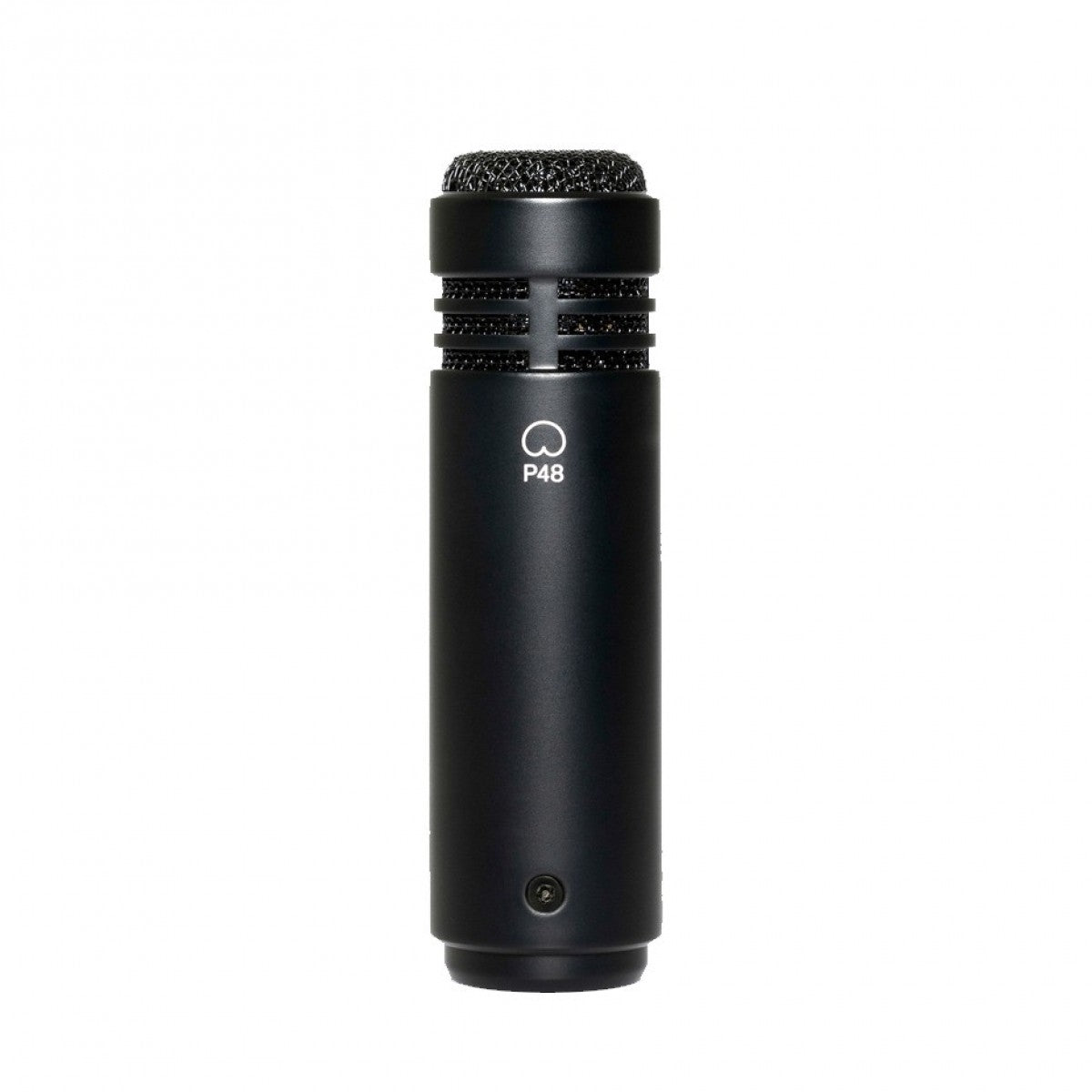
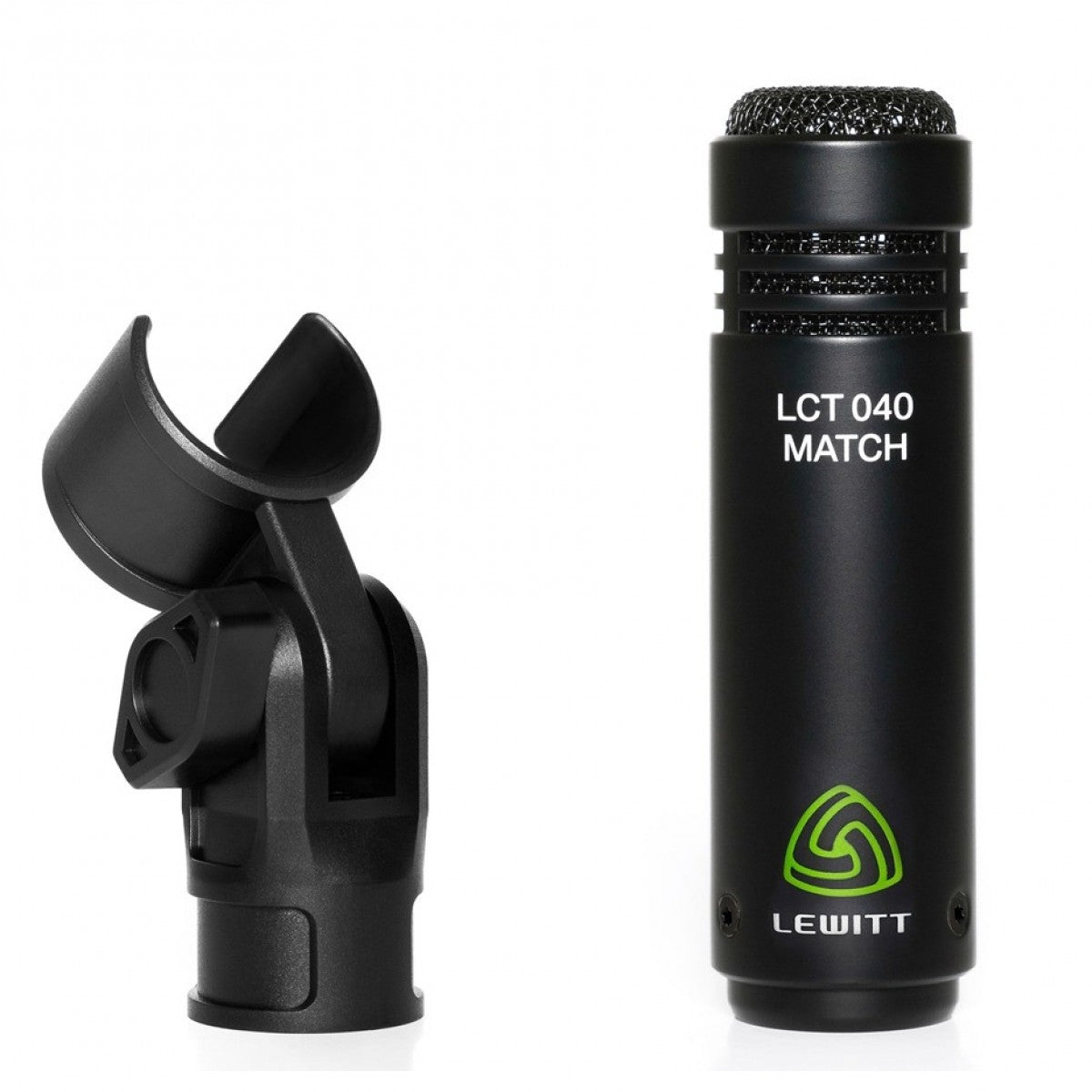
Lewitt LCT 040 Match Small-Diaphragm Condenser Microphone
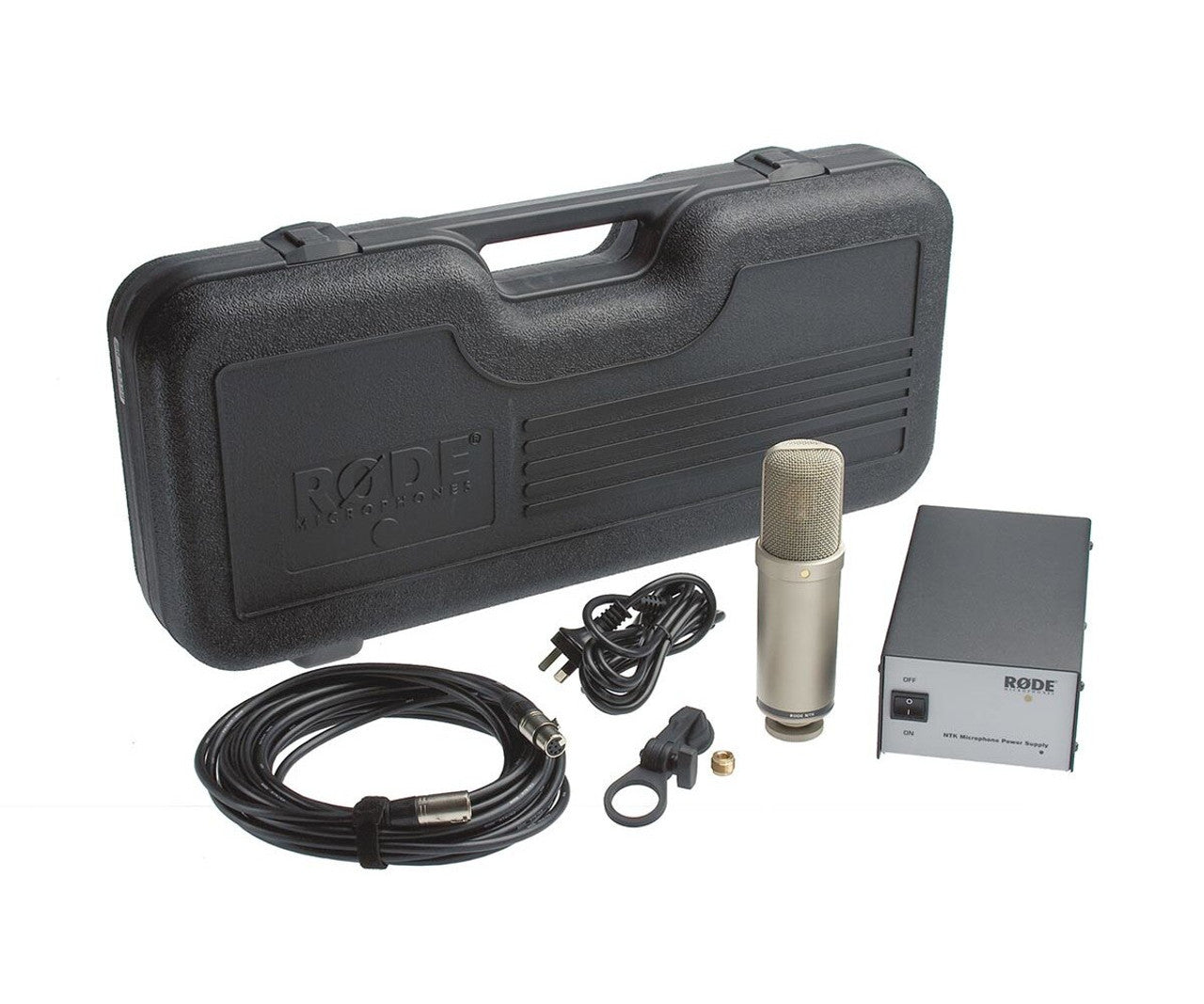
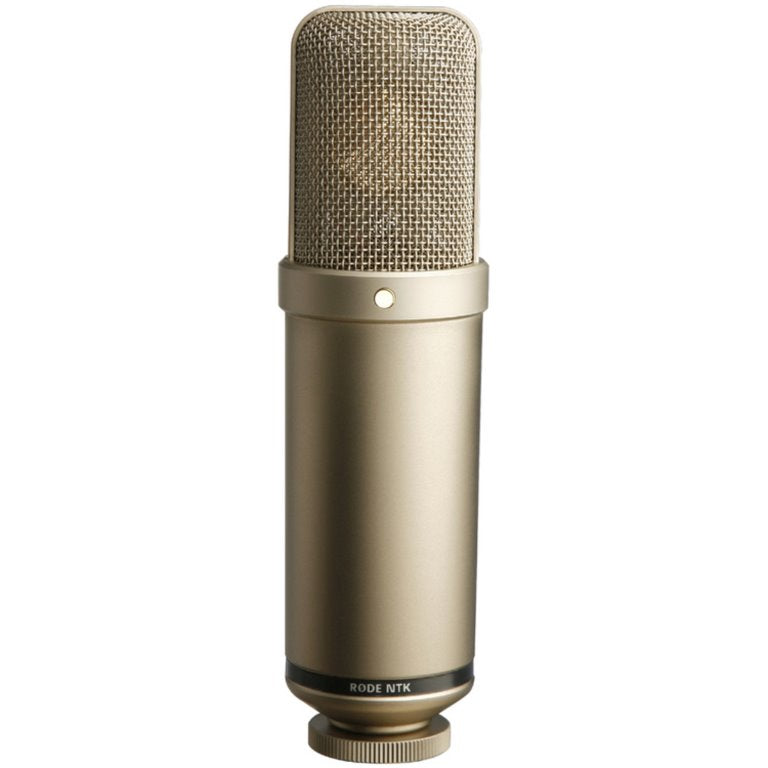
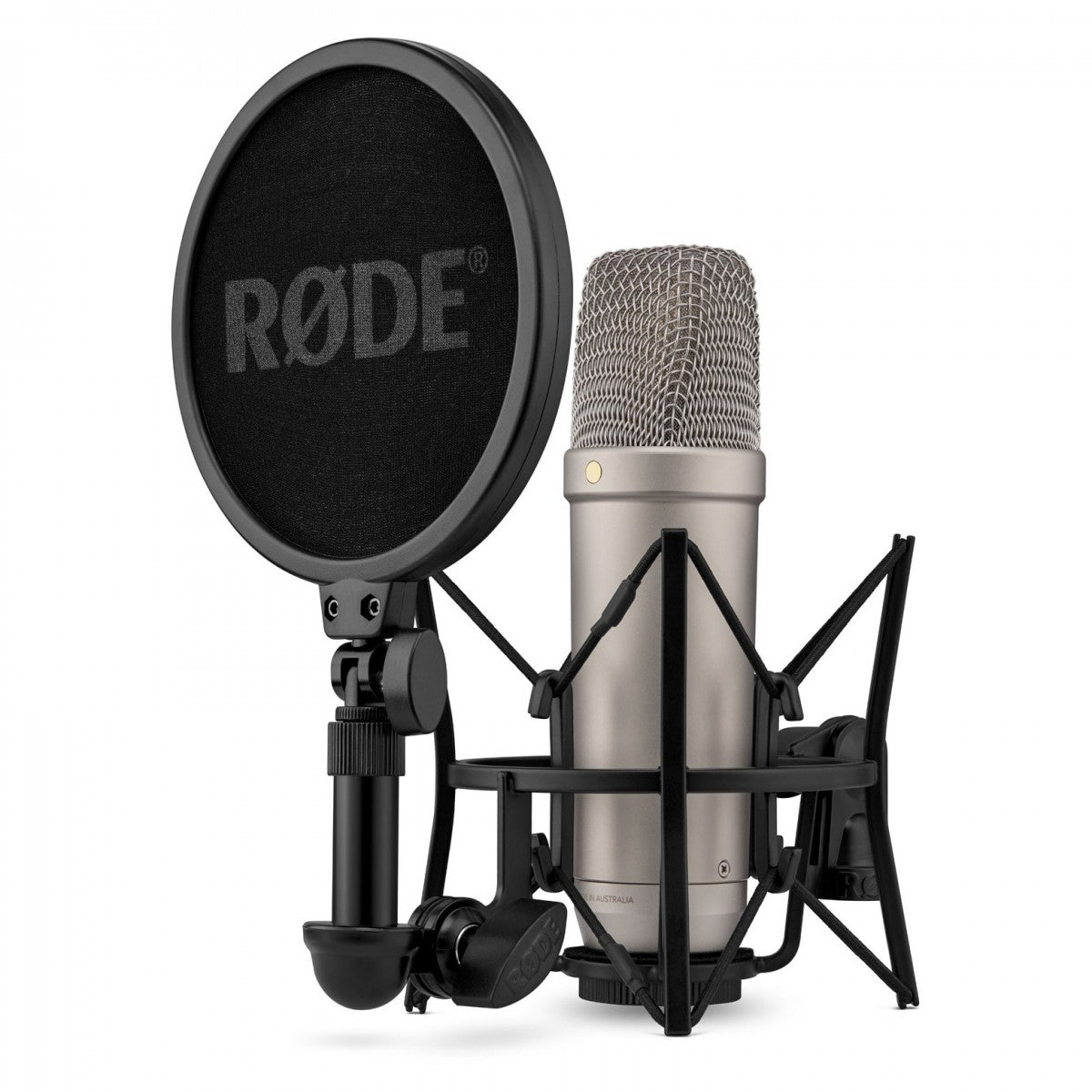
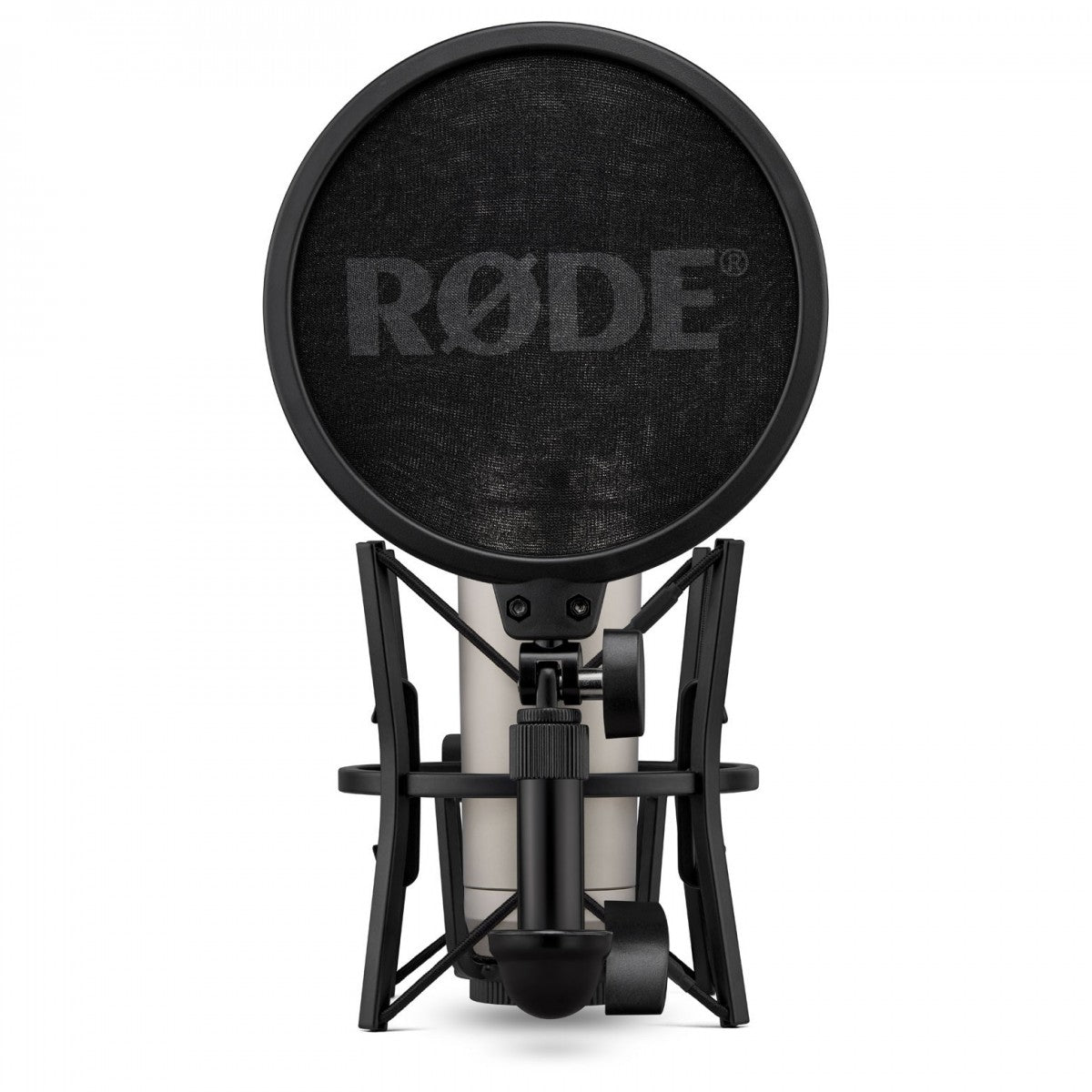
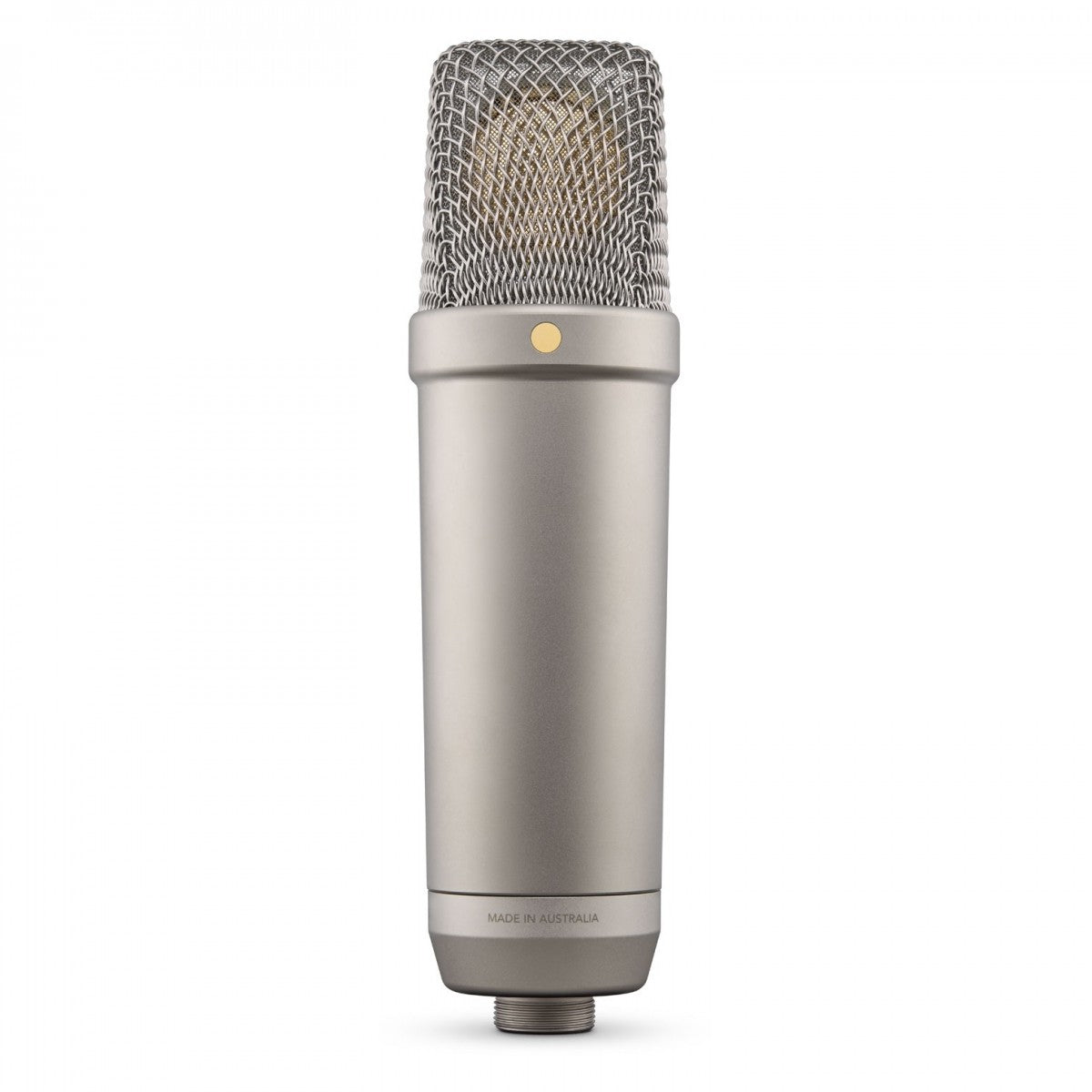
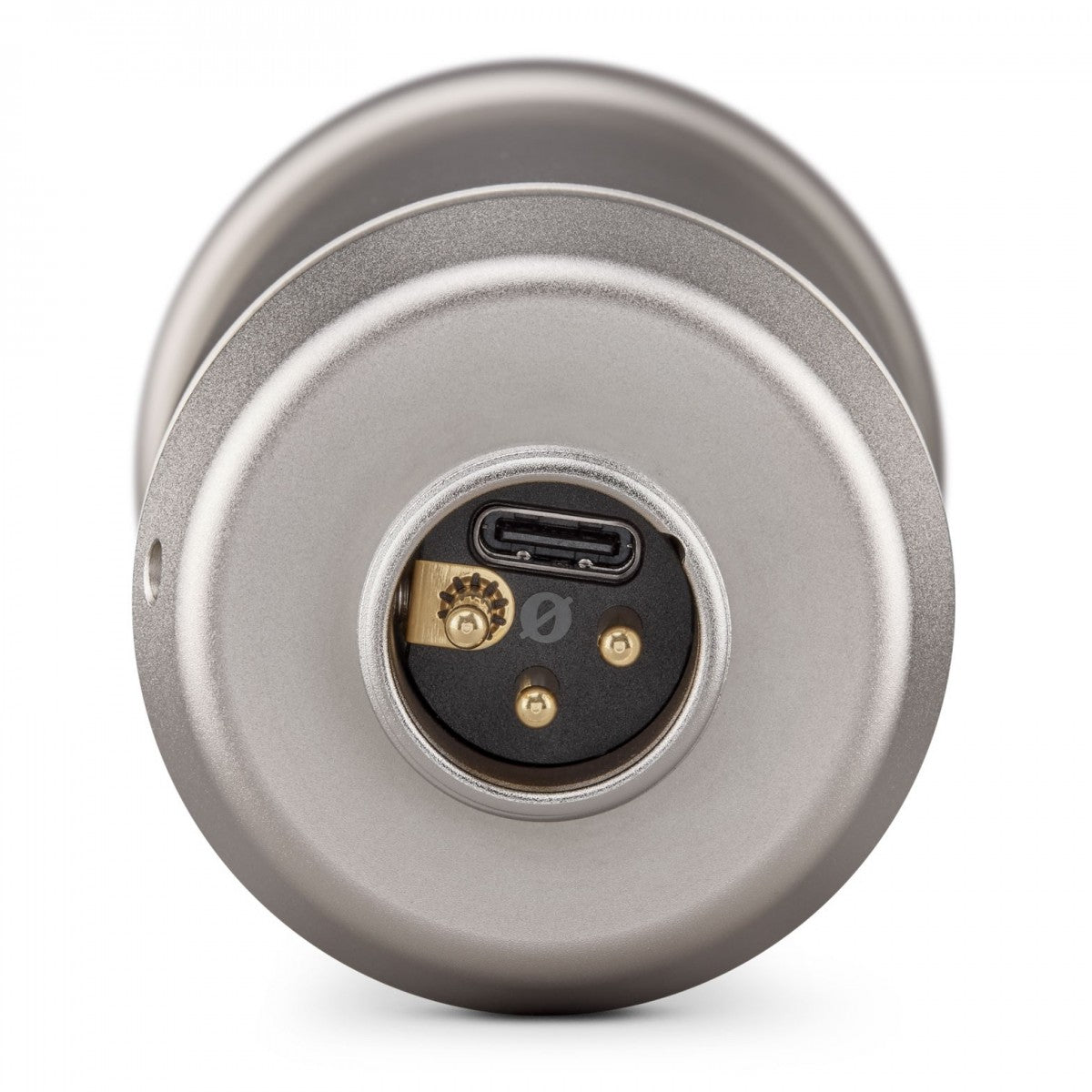
Røde NTK Valve Condenser Microphone
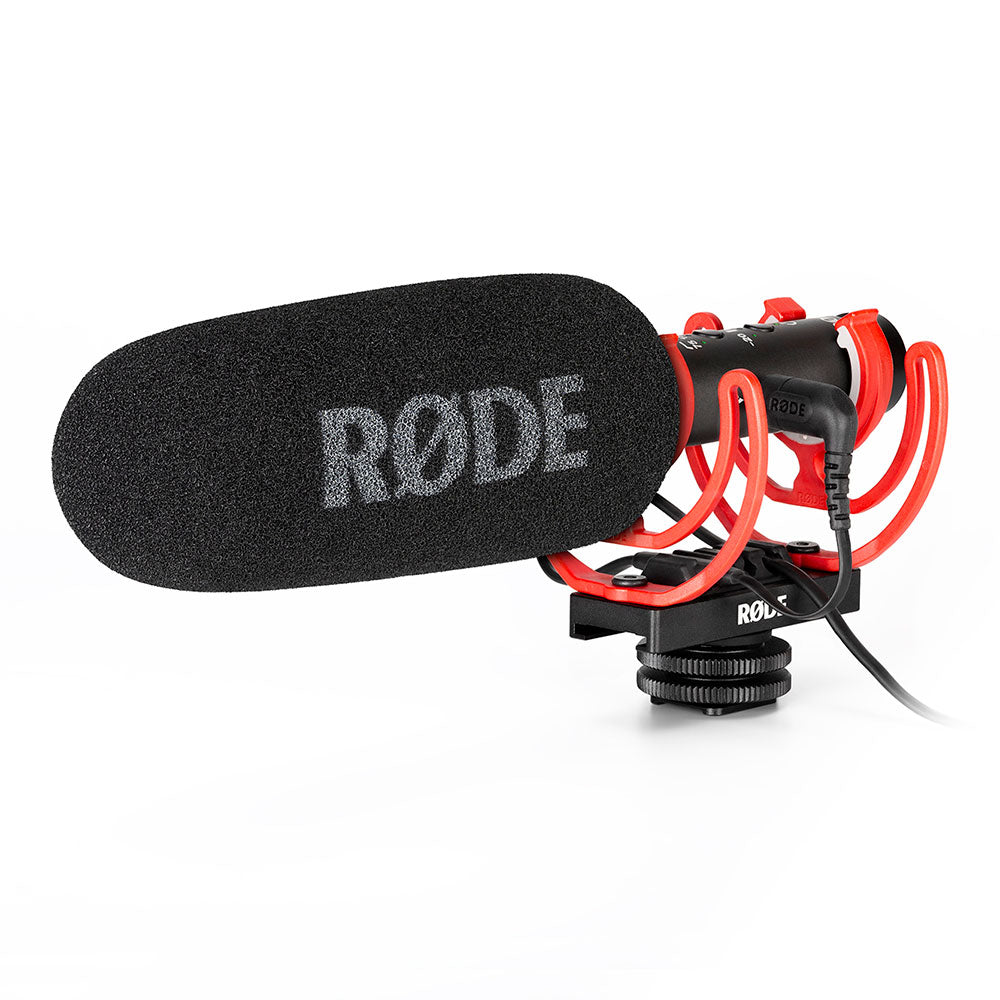
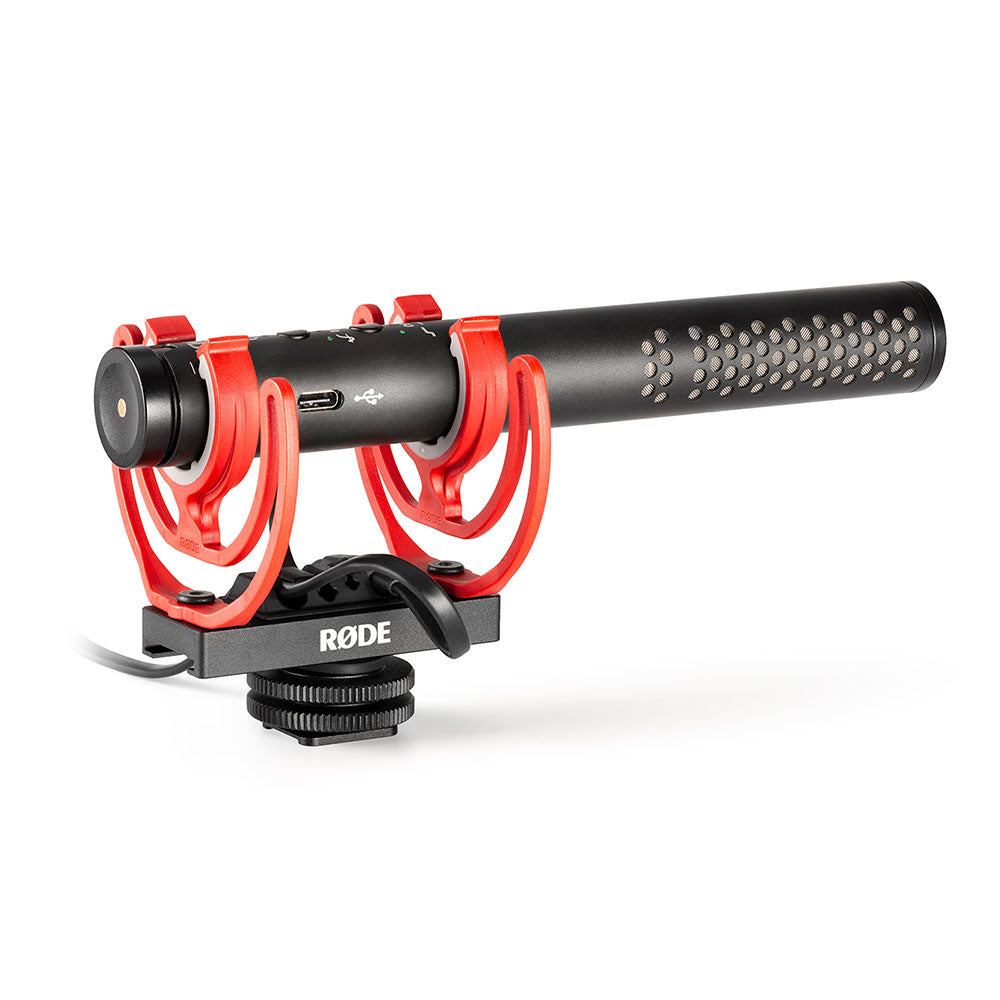
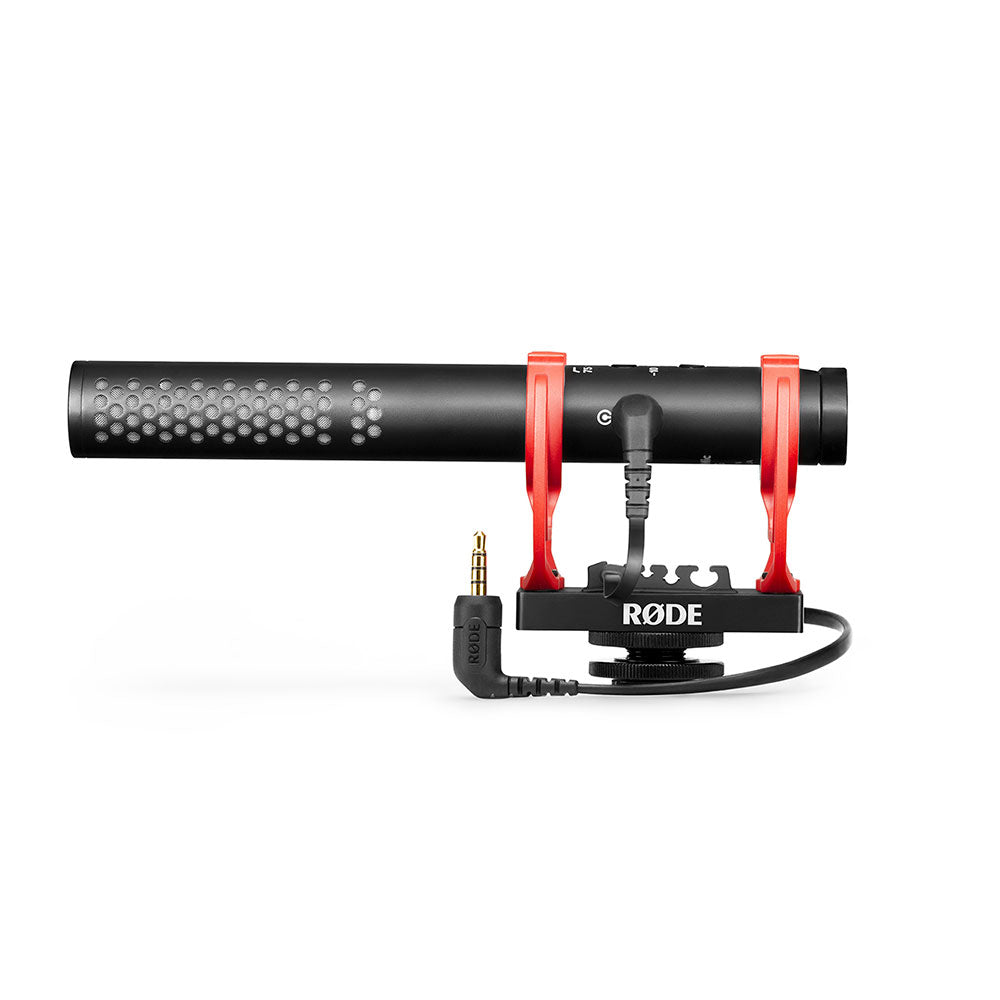
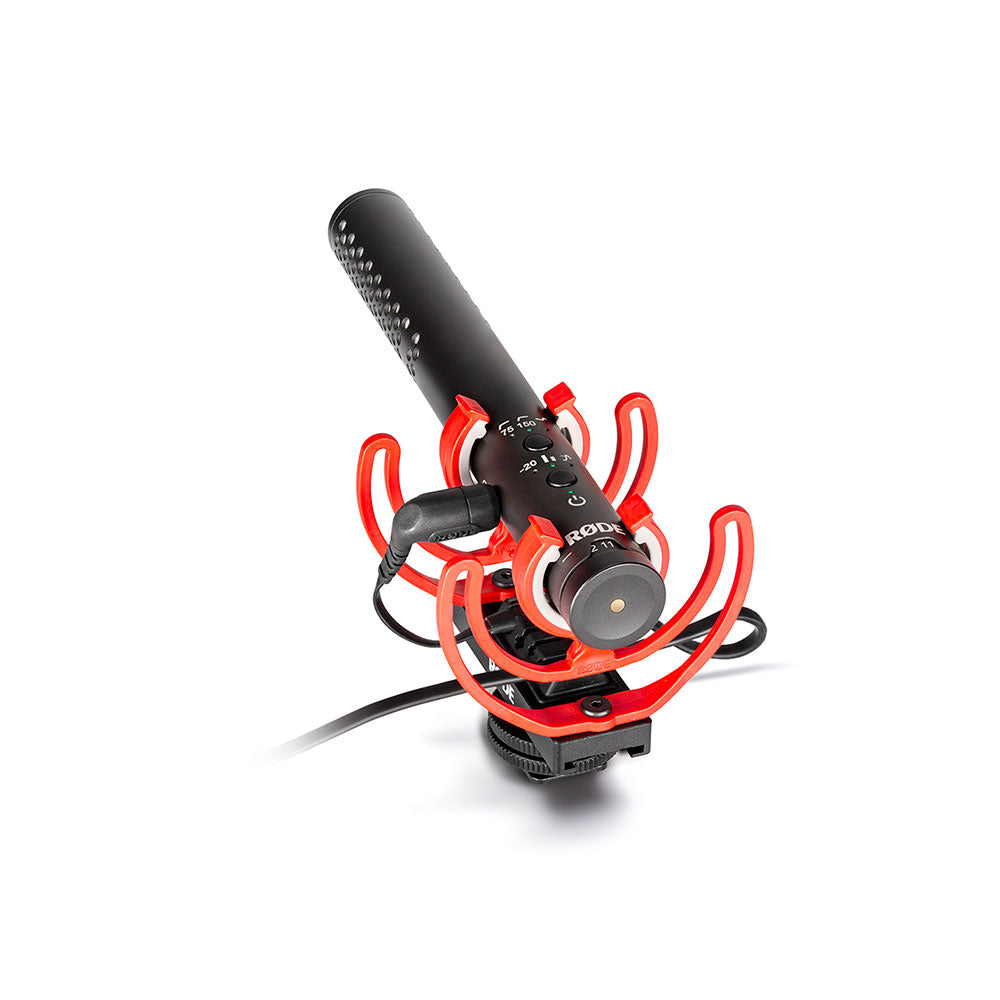
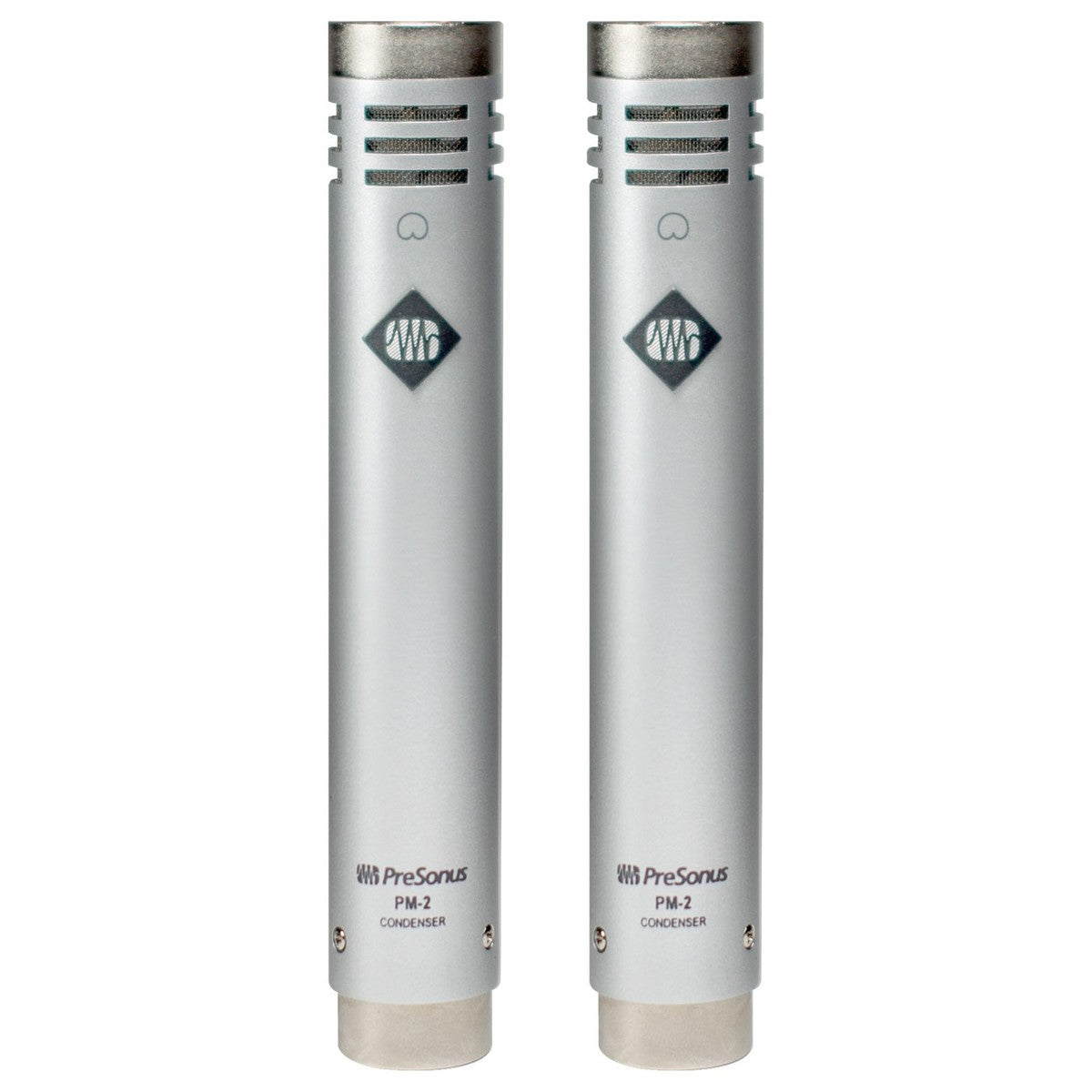
Shop trusted microphone brands including Shure, RØDE, LEWITT, sE Electronics, PreSonus and more, backed by the friendly expertise of Fair Deal Music, Birmingham’s independent family-run music retailer since 1987.
Microphones for Recording, Performing, Podcasting and Content Creation
The right microphone can transform the clarity, detail and impact of your sound. Whether you are singing on stage, recording vocals at home, capturing acoustic instruments, producing a podcast or creating professional video content, choosing a microphone designed for the job will help you achieve more consistent and natural results.
Our microphone collection covers a wide range of applications, experience levels and budgets. Discover reliable live vocal microphones, detailed studio condenser microphones, versatile instrument microphones, convenient USB microphones, podcasting microphones, wireless microphone systems, lavalier microphones and video microphones.
You will find options from established audio brands including Shure, RØDE, LEWITT, sE Electronics, PreSonus, Prodipe and other respected manufacturers. Use the available collection filters to narrow your search by microphone type, brand, condition and other relevant features.
Which Type of Microphone Should I Choose?
Dynamic Microphones
Dynamic microphones are a popular choice for live vocals, rehearsals, public speaking and recording louder instruments. Their robust construction and focused pickup make them well suited to busy stages, practice rooms and everyday professional use.
A dynamic microphone may be the right choice when you need:
- A dependable microphone for live singing or speech
- Good rejection of surrounding stage noise
- A durable design for regular transport and performance
- A microphone for guitar amplifiers, drums or other louder sound sources
- A straightforward setup without external phantom power
Condenser Microphones
Condenser microphones are designed to capture greater detail and sensitivity, making them particularly popular for studio vocals, acoustic instruments, piano, percussion, voiceovers and professional content creation.
Large-diaphragm condenser microphones are commonly chosen for vocals, voiceovers and full-bodied instrument recordings. Small-diaphragm condenser microphones are often used for acoustic guitars, drum overheads, piano and other sources where detail and transient response are important.
Most professional condenser microphones require phantom power, usually supplied by a compatible audio interface, mixer or microphone preamp. Always check the individual product specifications before completing your setup.
USB Microphones
USB microphones provide a convenient way to record directly into a compatible computer without needing a separate audio interface. They are ideal for podcasting, streaming, online lessons, gaming, voiceovers, video calls and simple home-recording setups.
A USB microphone can be a strong choice for beginners and content creators who want an easy, compact recording solution with fewer separate components.
Wireless Microphone Systems
Wireless microphones provide greater freedom of movement for vocalists, presenters, performers, schools, places of worship, fitness instructors and event hosts. Systems may include handheld microphones, bodypack transmitters, headset microphones or lavalier microphones depending on the intended application.
When choosing a wireless system, consider how many performers need microphones, the type of transmitter required, the operating environment and whether the system will be used alongside other wireless equipment.
Podcast and Broadcast Microphones
Podcasting and broadcast-style microphones are designed to deliver clear, focused speech for interviews, live streaming, radio-style production and spoken-word content. Dynamic broadcast microphones are particularly useful in untreated rooms because they can help reduce the amount of surrounding room sound captured.
Video, Camera and Lavalier Microphones
Video microphones and lavalier microphones are useful for interviews, filmmaking, social media, presentations, mobile content and location recording. Compact on-camera microphones can improve audio compared with a camera’s built-in microphone, while lavalier systems provide discreet, close-up speech capture.
Microphones for Every Application
Live Vocals and Performance
For live singing, look for a microphone with a comfortable handheld design, reliable construction and a pickup pattern that helps focus on the performer’s voice. Dynamic vocal microphones remain a trusted choice for gigs, rehearsals, open-mic nights, schools and venues.
Studio Vocals and Voiceovers
For detailed vocal recording, a large-diaphragm condenser microphone is often the preferred starting point. It can capture the character, tone and subtle dynamics of a performance, making it suitable for singers, voiceover artists and home-studio producers.
Acoustic Instruments
Acoustic guitars, pianos, strings and percussion can benefit from the detail of a condenser microphone. The best choice will depend on the instrument, recording room, desired tone and whether you are recording a single source or a stereo image.
Electric Guitar Amplifiers and Drums
Dynamic instrument microphones are commonly used close to guitar cabinets, snare drums and other high-volume sources. Their focused response and durable construction make them practical for both stage and studio environments.
Podcasting, Streaming and Online Content
Podcasters and streamers can choose between USB microphones for simplicity or XLR microphones for a more expandable recording system. An XLR setup normally requires an audio interface or mixer but provides greater flexibility when adding more microphones or upgrading other parts of the signal chain.
Presentations, Events and Public Speaking
Handheld wireless systems, headset microphones and lavalier microphones can provide clear speech while allowing the presenter to move naturally. Consider the size of the venue, number of users and connection requirements when selecting a system.
How to Choose the Right Microphone
Start with the Main Sound Source
A microphone designed for live vocals may behave very differently from one intended for studio recording or video production. Begin by identifying exactly what you want to record or amplify, where it will be used and how much surrounding sound you need the microphone to reject.
Consider the Recording Environment
Sensitive condenser microphones can capture excellent detail, but they may also reveal reflections, background noise and room ambience. In untreated or noisy rooms, a dynamic microphone positioned close to the sound source can sometimes produce a more controlled result.
Check the Connection Type
- XLR microphones normally connect to a mixer, audio interface, microphone preamp or compatible PA system.
- USB microphones connect directly to a compatible computer or device.
- Wireless systems use a receiver that connects to your mixer, amplifier, PA system or recording equipment.
- Camera and mobile microphones may require a particular connector, adaptor or compatible input.
Understand Pickup Patterns
A microphone’s pickup pattern describes where it captures sound most effectively.
- Cardioid microphones mainly capture sound from the front and are widely used for vocals, instruments, podcasting and live performance.
- Supercardioid and hypercardioid microphones provide a narrower front pickup area and can offer stronger rejection from the sides.
- Omnidirectional microphones capture sound from all directions and can be useful for interviews, room sound and certain lavalier applications.
- Multi-pattern microphones provide selectable pickup options for more flexible studio recording.
Check Whether Phantom Power Is Required
Many condenser microphones require 48V phantom power. This is commonly available on audio interfaces and mixers, but it is important to confirm compatibility before buying. Dynamic microphones generally do not require phantom power.
Plan the Complete Setup
Depending on your chosen microphone, you may also need an XLR cable, microphone stand, boom arm, pop filter, shock mount, audio interface, mixer, headphones or compatible PA system. Checking the complete signal path before ordering can help avoid missing an essential part of your setup.
Microphones for Beginners, Musicians and Professionals
This collection is suitable for:
- Singers preparing for rehearsals, gigs and live performances
- Musicians recording instruments at home or in a studio
- Podcasters, streamers and online content creators
- Schools, colleges, theatres and community organisations
- Venues, rehearsal rooms and places of worship
- Presenters, instructors and public speakers
- Filmmakers, interviewers and mobile video creators
- Producers and engineers expanding an existing microphone collection
Beginners may prefer a simple USB microphone or an accessible dynamic vocal microphone. More experienced users may want an XLR condenser microphone, specialist instrument microphone, matched stereo pair or expandable wireless system.
New, B-Stock, Open-Box and Used Microphones
Alongside new microphones, the collection may include B-stock, open-box or used products when available. These can offer excellent value for musicians, studios and content creators who are happy to consider equipment outside standard new retail stock.
The condition and included accessories of non-new products can vary, so always read the individual product description carefully. Relevant condition information will be shown on the product page to help you make an informed decision.
Buy • Sell • Trade Your Music Gear
Fair Deal Music helps musicians buy, sell and trade equipment as their needs change. If you have eligible music gear that you no longer use, speak to our team about selling it for cash or using its value towards an upgrade.
Part exchange and trade-in can make it easier to move from a basic microphone setup to a higher-quality vocal microphone, studio condenser microphone, wireless system or wider recording package. Any valuation will depend on the item, condition, demand and information provided.
Finance Options
Finance may be available on eligible purchases. Where applicable, the available options and relevant terms will be displayed during the purchasing process. Please review all information carefully before entering into a finance agreement.
Delivery and Collection
Available delivery and collection options will be shown during checkout and may vary according to the product, order value and destination. Please check the individual product page for current availability and any product-specific information before ordering.
Customers who prefer to speak with a member of the team can also contact Fair Deal Music for practical advice before purchasing.
Why Thousands of Musicians Choose Fair Deal Music
When you buy from Fair Deal Music, you’re choosing one of the UK’s most established independent family-run music retailers, proudly helping musicians since 1987.
- Friendly advice from a team that understands musical instruments, recording equipment and live sound
- A wide choice of equipment for beginners, working musicians, creators, studios and venues
- New, used, B-stock and open-box opportunities across selected product ranges
- Buy • Sell • Trade and part-exchange support for eligible music gear
- A trusted Birmingham music business serving customers throughout the UK
- Thousands of musicians choosing Fair Deal Music for equipment, expertise and support
Microphone FAQs
What is the best type of microphone for singing?
A dynamic cardioid microphone is a popular choice for live singing because it is durable, easy to position and designed to focus on the vocalist. For studio singing, a large-diaphragm condenser microphone can capture more detail and subtlety, provided the recording environment is suitable.
Should I choose a dynamic or condenser microphone?
Choose a dynamic microphone for live performance, louder instruments, durability and controlled pickup. Choose a condenser microphone when you want greater sensitivity and detail for studio vocals, acoustic instruments, voiceovers or other recording work.
Do I need an audio interface for a microphone?
You will normally need an audio interface, mixer or compatible microphone preamp when using an XLR microphone with a computer. A USB microphone contains its own digital connection and can usually connect directly to a compatible computer.
What is phantom power?
Phantom power is electrical power supplied through an XLR cable by a compatible audio interface, mixer or preamp. Many condenser microphones require 48V phantom power, while most dynamic microphones do not.
What microphone is best for podcasting?
A dynamic broadcast-style microphone can be a strong choice in an untreated room because it is generally used close to the speaker and can help reduce surrounding room sound. A condenser or USB microphone may work well in a quieter, controlled space where additional detail is desirable.
Can I use a studio microphone for live performance?
Some condenser microphones are designed specifically for handheld live vocals, but many studio microphones are more sensitive and less practical for regular stage use. Always check whether the model is intended for live performance before choosing it for gigs.
What microphone should I use for acoustic guitar?
Small-diaphragm condenser microphones are widely used for acoustic guitar because they can capture detail and definition. Large-diaphragm condenser microphones can provide a fuller sound, while dynamic microphones may be useful for live environments or when greater isolation is needed.
What microphone should I use for a guitar amplifier?
A dynamic instrument microphone is a dependable choice for close-miking a guitar amplifier. It can handle louder sound levels and allows the recorded tone to be adjusted by changing the microphone’s position in front of the speaker.
Are USB microphones good for recording music?
USB microphones can produce very good results for vocals, acoustic instruments, demos and content creation. An XLR microphone system is usually more expandable, but USB provides a convenient route into recording with fewer separate components.
Can I connect a microphone directly to a speaker?
Only when the speaker or PA system has a compatible microphone input and provides the required level of amplification. Some powered speakers include microphone inputs, while others require a mixer or separate preamp. Check the connections and specifications of both products before use.
What do I need with my new microphone?
Your setup may require a microphone cable, stand or boom arm, pop filter, shock mount, audio interface, mixer, headphones or PA system. Check what is included with the microphone and compare it with the equipment you already own before ordering.
Are wireless microphones suitable for live music?
Yes. Wireless microphones are widely used by singers, presenters and performers who need freedom of movement. Choose a system designed for your intended use and check how many channels, transmitters and receiver outputs your setup requires.
Can I part exchange my existing microphone or recording equipment?
Fair Deal Music considers eligible music and audio equipment for sale or part exchange. The value will depend on the exact product, condition, included accessories and current demand. Contact the team with accurate details to discuss the available options.
Find the Right Microphone for Your Sound
Whether you need your first live vocal microphone, a detailed studio condenser, a simple USB microphone, a podcasting setup or a professional wireless system, explore the current Fair Deal Music microphone collection and choose the equipment that best matches your voice, instrument, environment and workflow.
Stock and availability can change, particularly for used, B-stock and open-box equipment, so explore the current products and secure the right microphone when you find it.