![Boss RC-1 Loop Station Pedal [Open-Box] - Fair Deal Music](http://www.fairdealmusic.co.uk/cdn/shop/collections/Looper_Loop_LoopStation_pedals.png?v=1790075879&width=1000)
Loop Pedals & Loop Stations
Build songs, practise solos and create full performances one layer at a time with our most popular looper pedals. From simple, compact guitar loopers to advanced multi-track loop stations with rhythm tools, our collection includes options for beginners, performers and creative musicians.
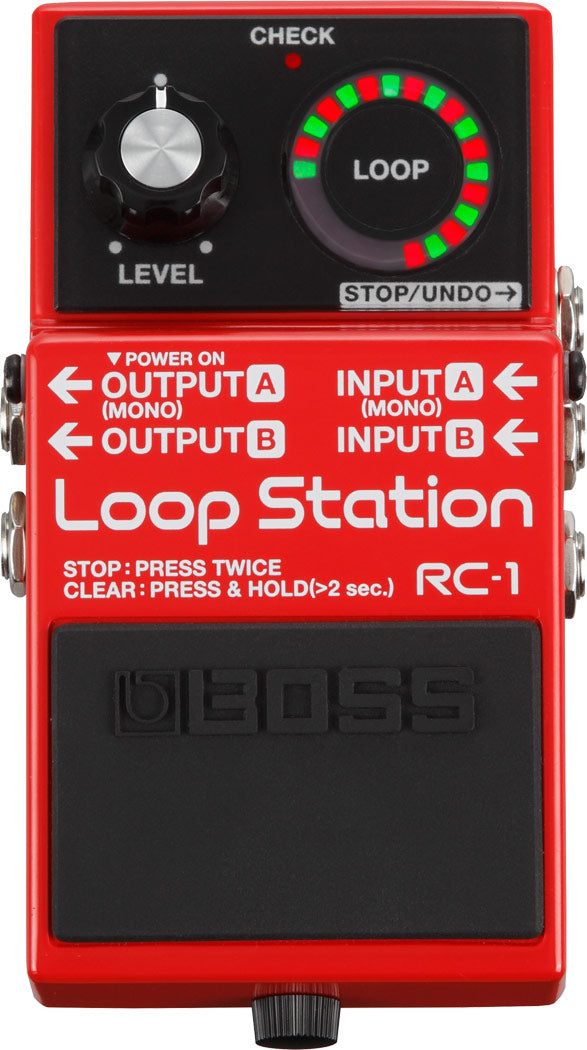
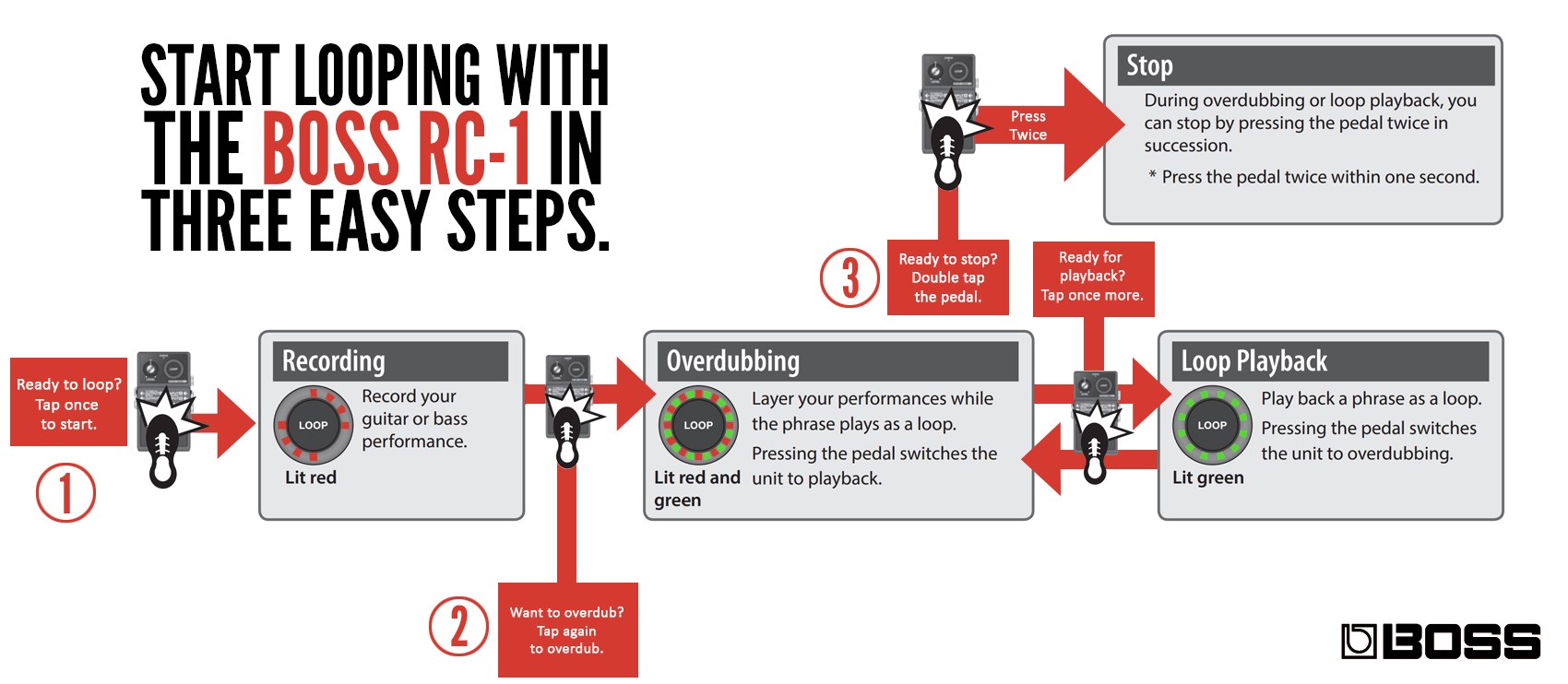
BOSS RC-1 Loop Station Compact Stereo Looper Pedal
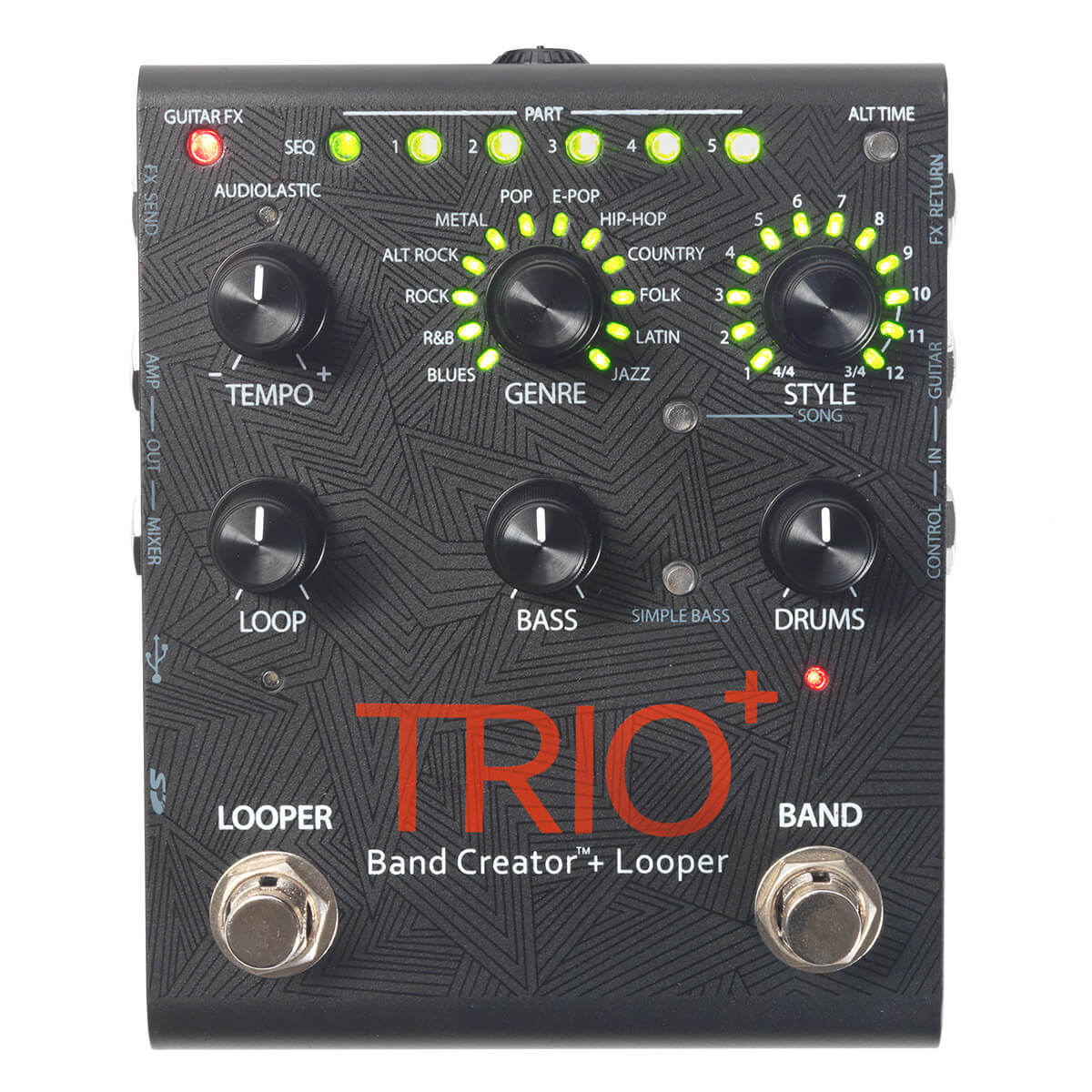
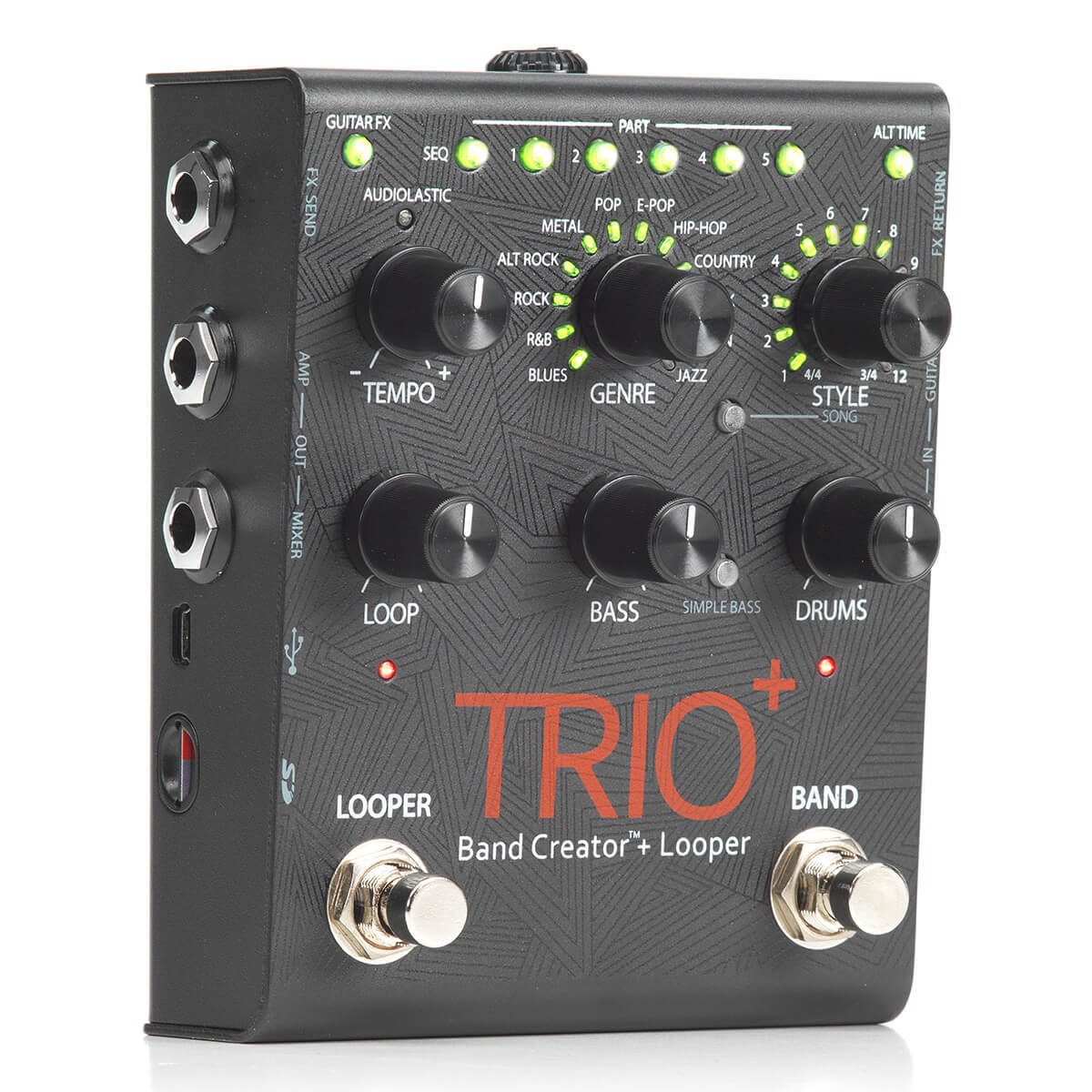
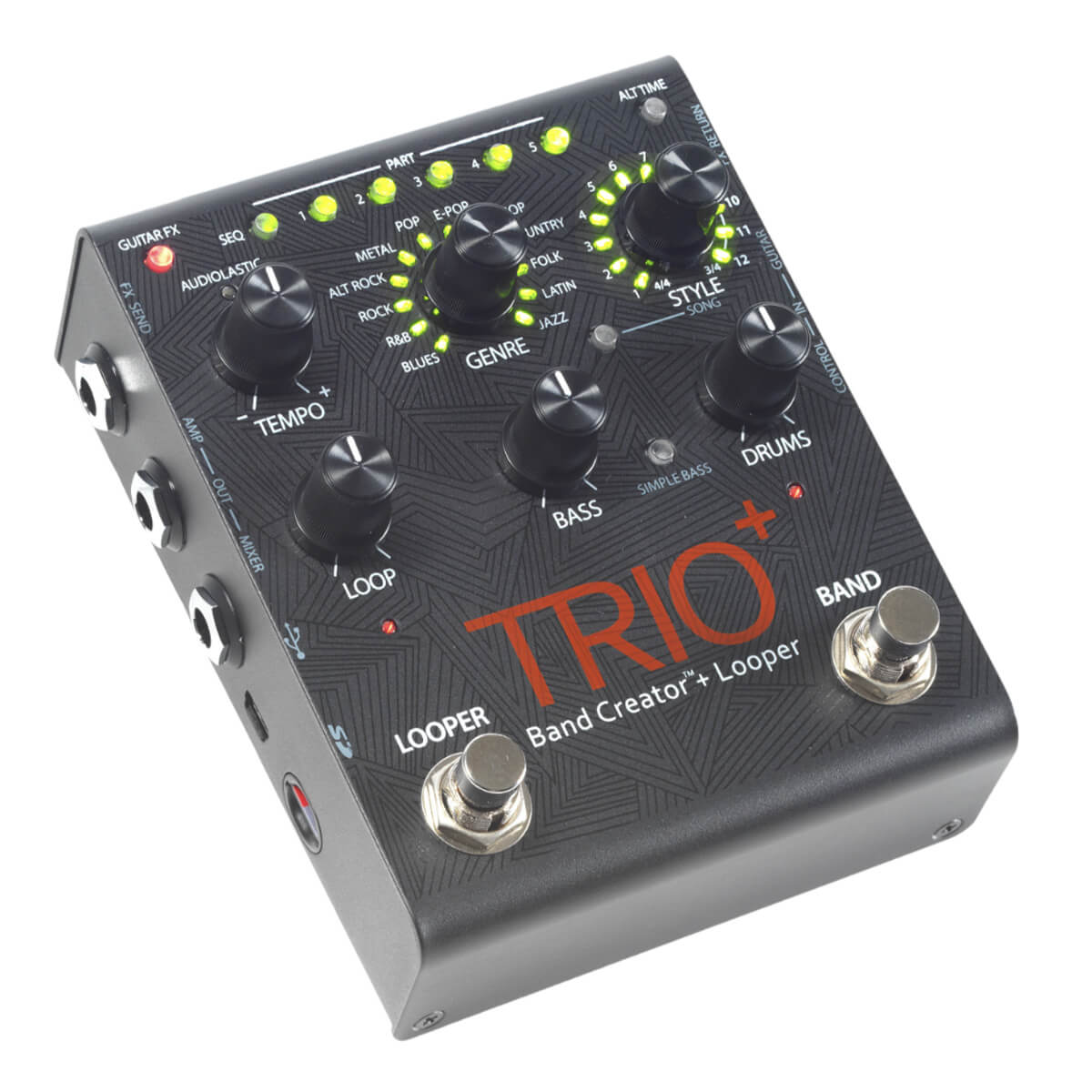
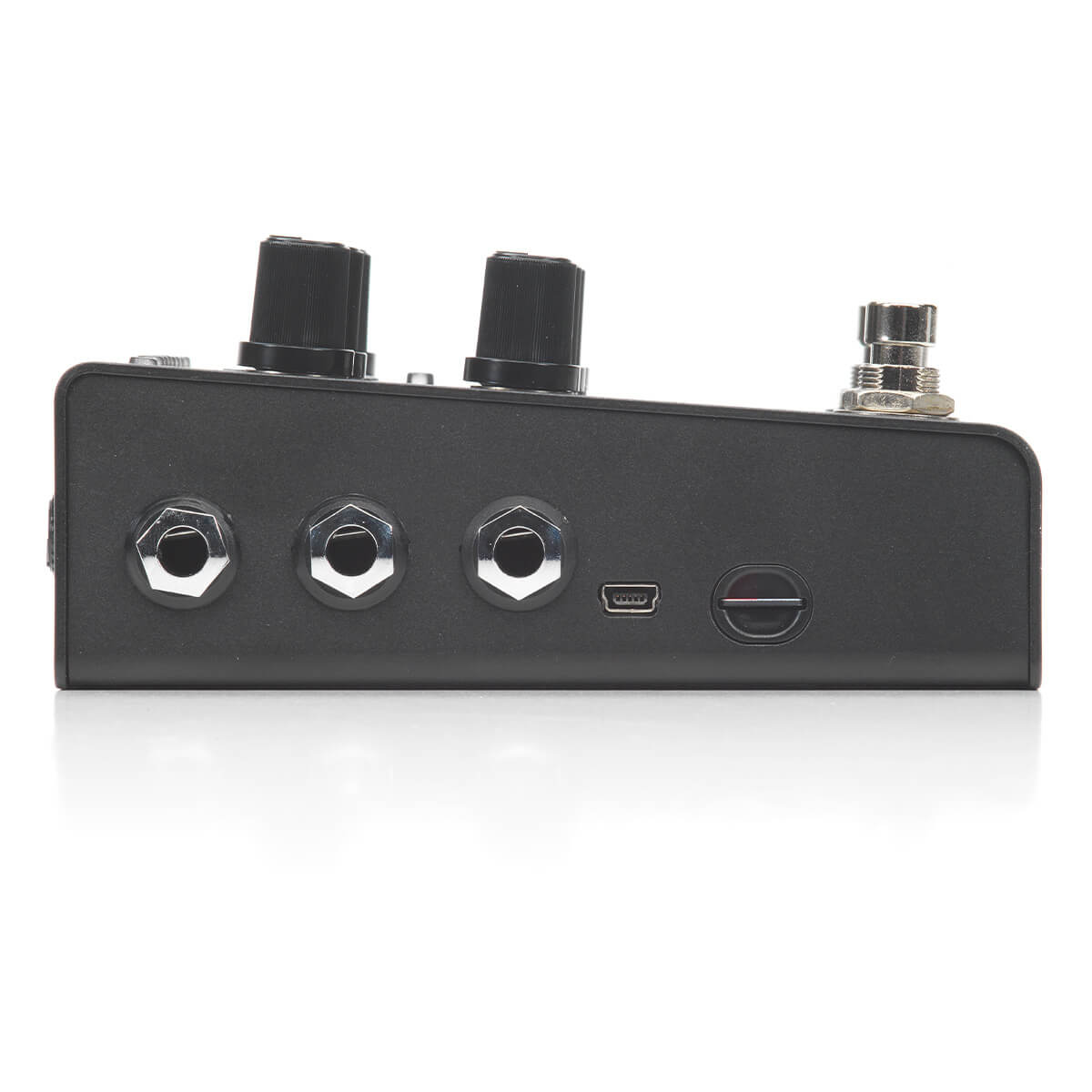
Digitech Trio+ Band Creator and Looper Pedal
Sell or Part-exchange
Sell your gear for cash or exchange it with a new one
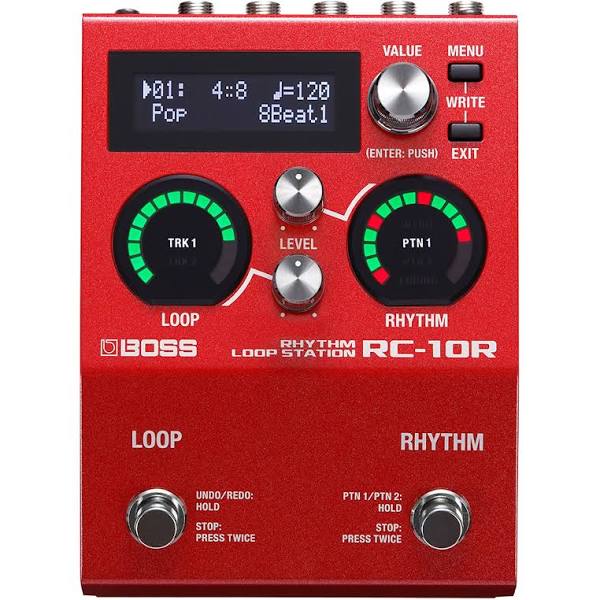
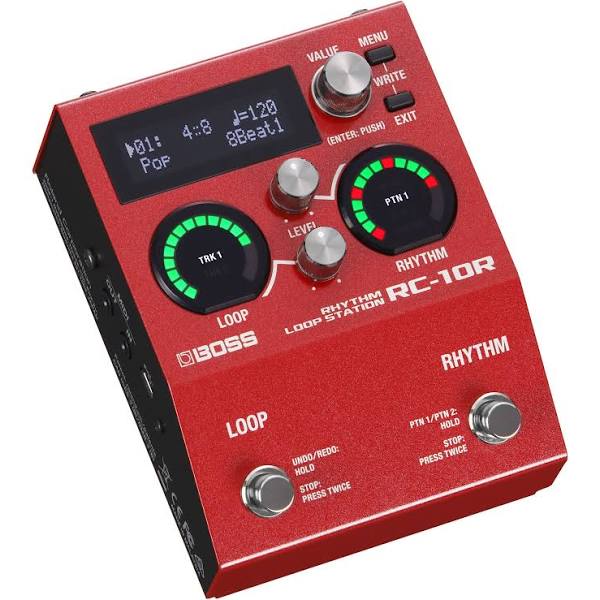
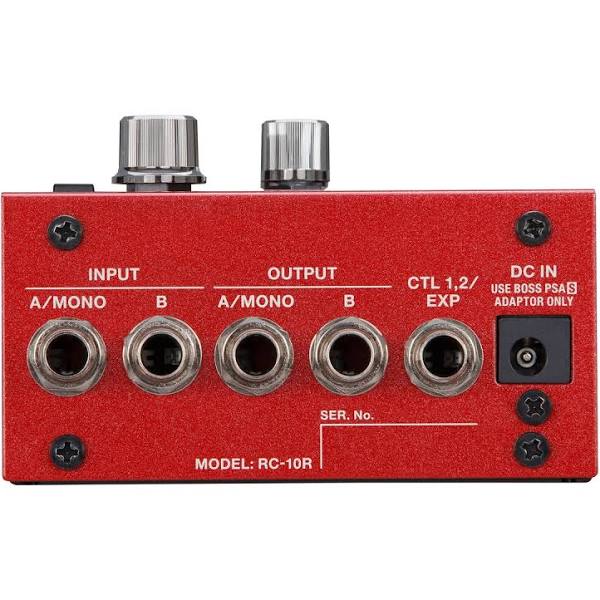
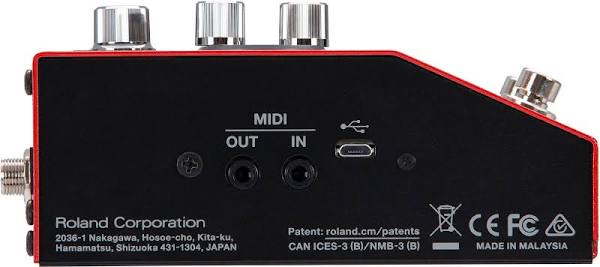
Boss RC-10R Rhythm Loop Station

Make a Bundle, Get a Better Deal
Get in touch so we can help you make a customised bundle with a discount
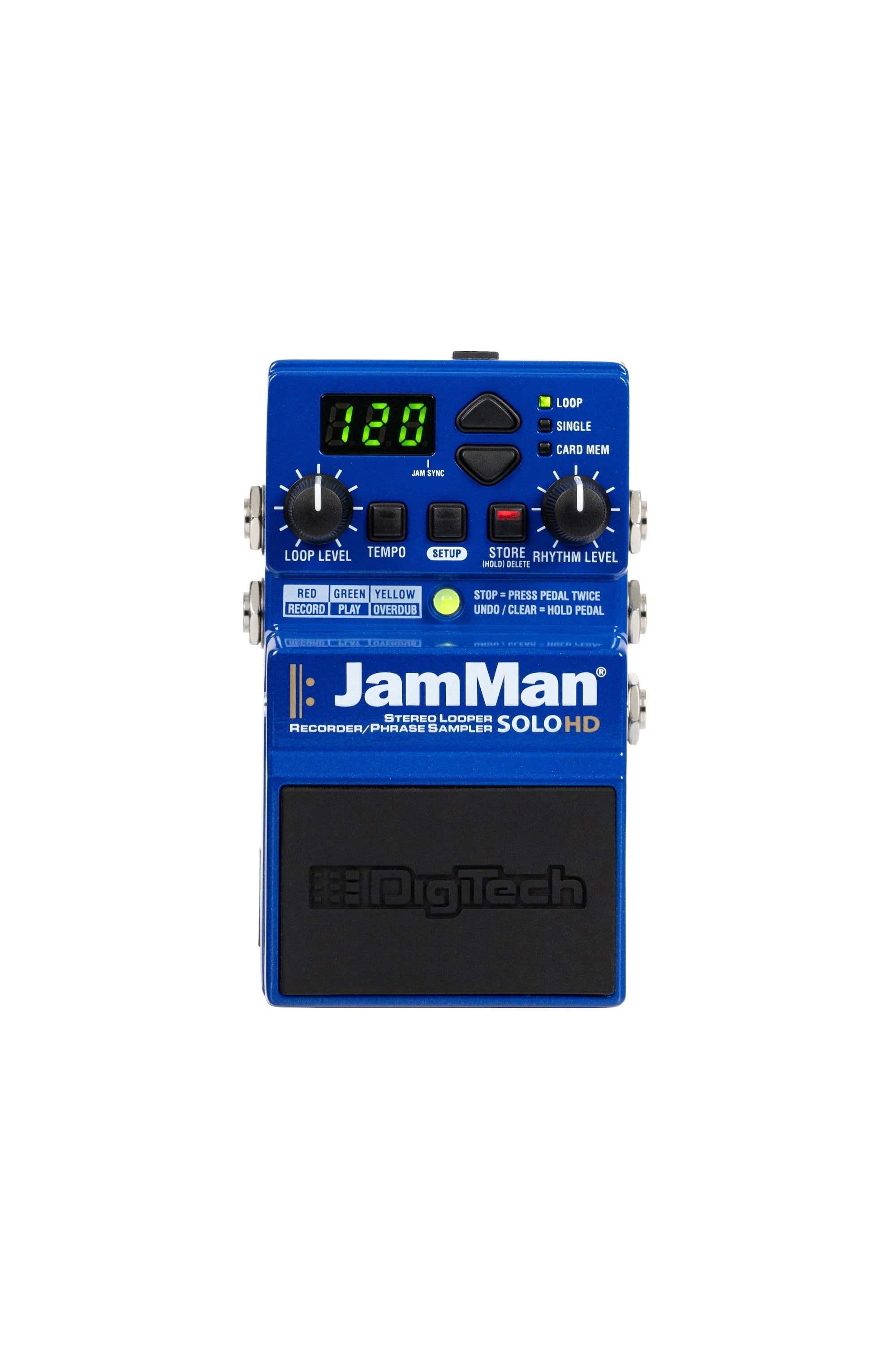
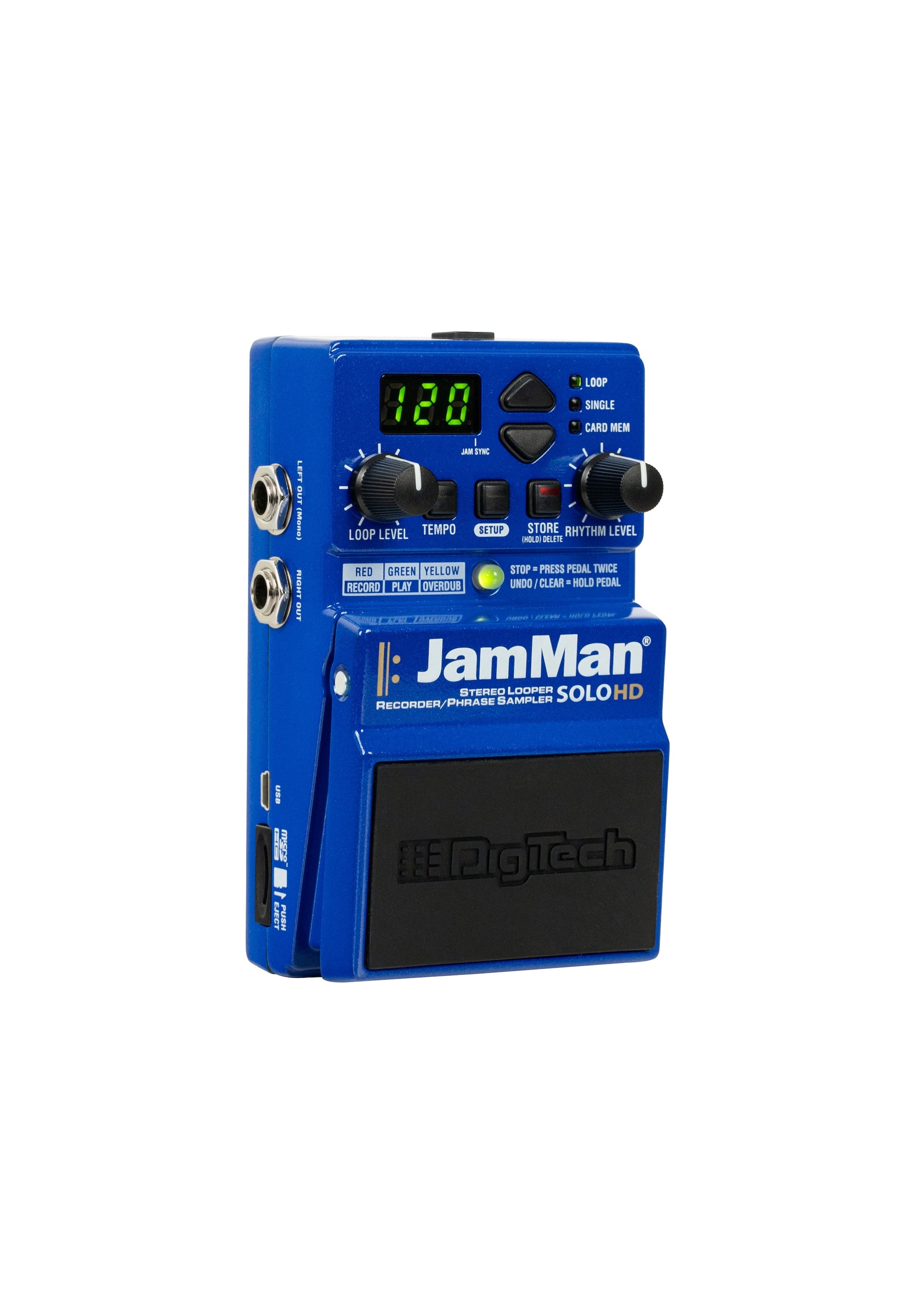
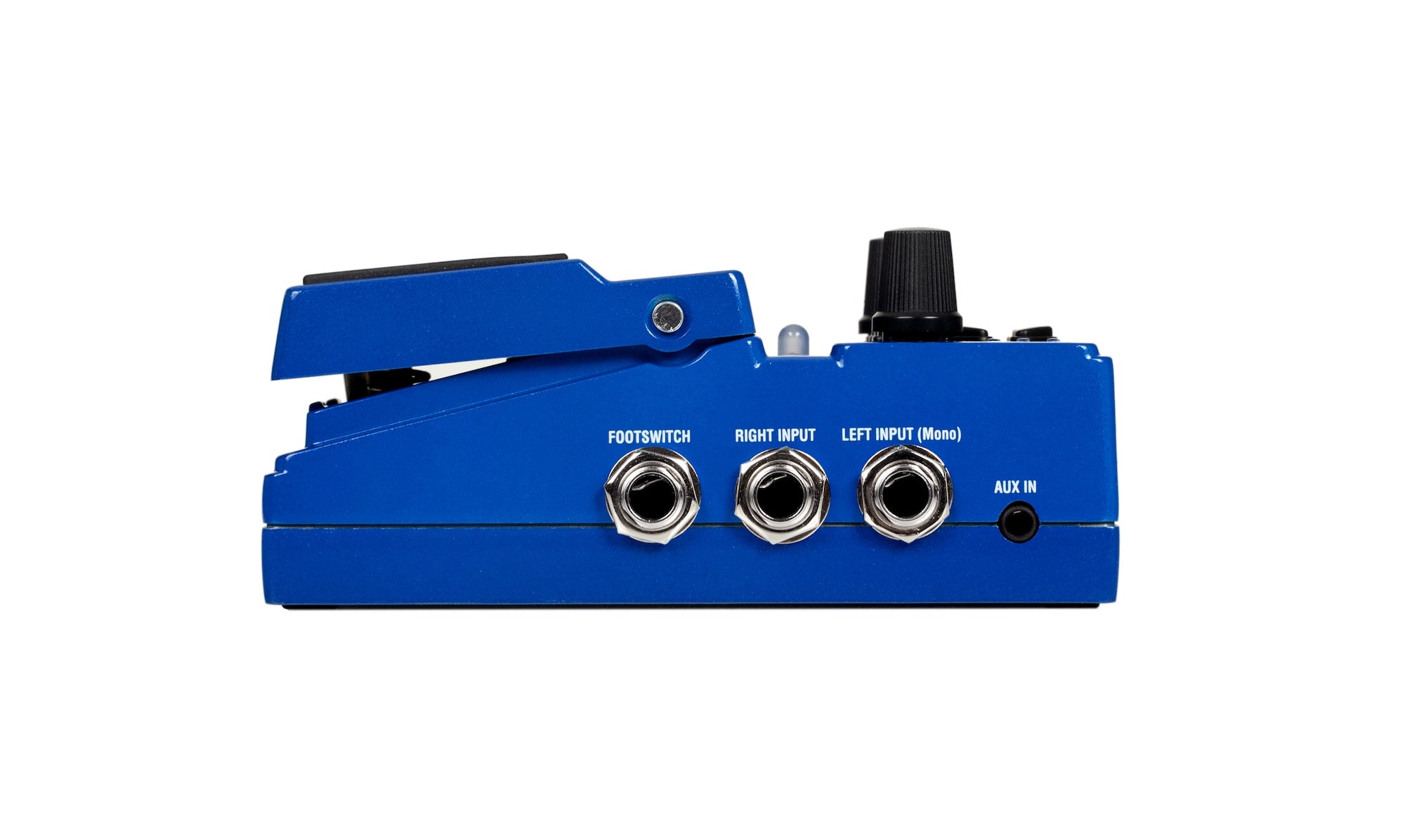
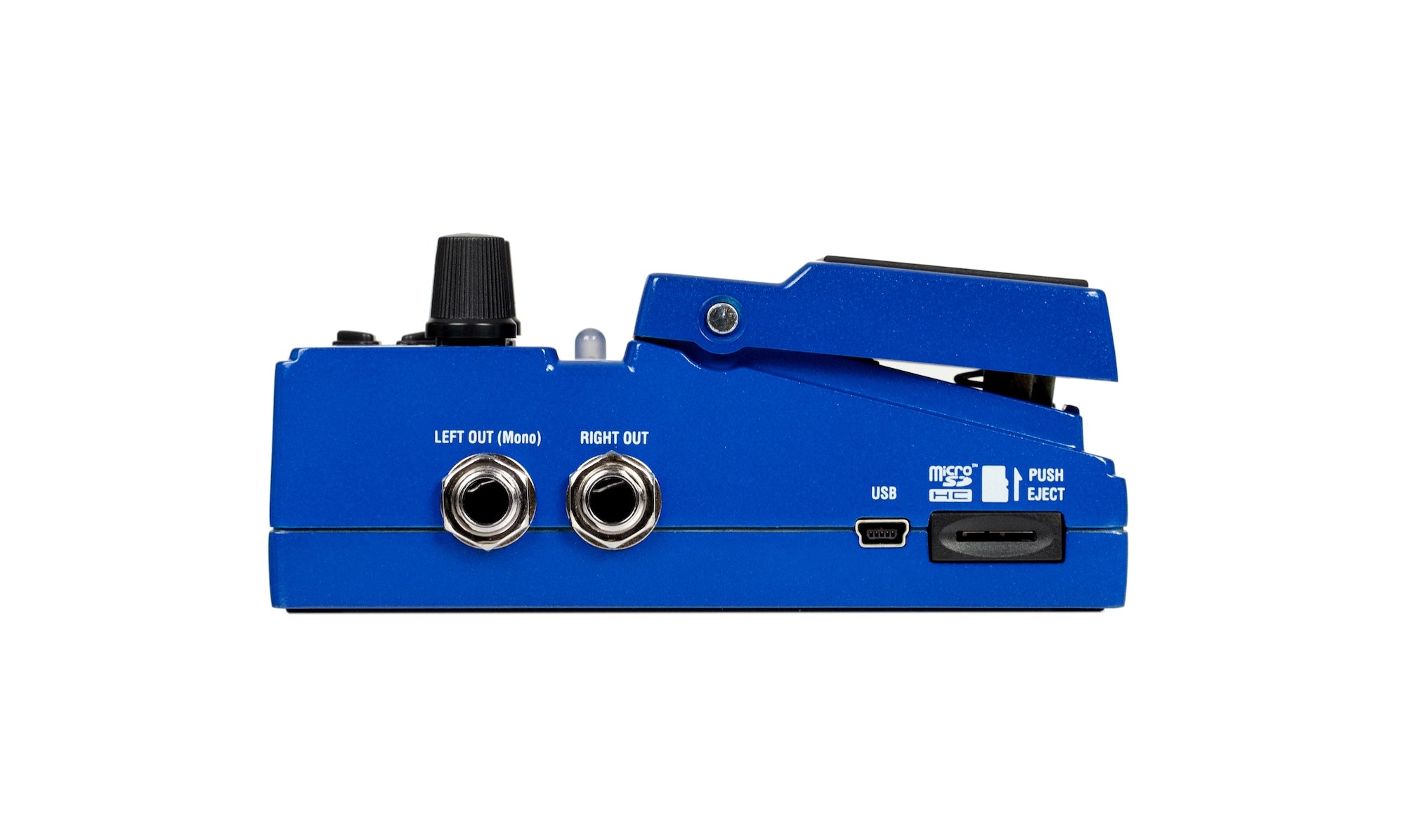
DigiTech JamMan Solo HD Compact Stereo Looper Guitar Effects Pedal
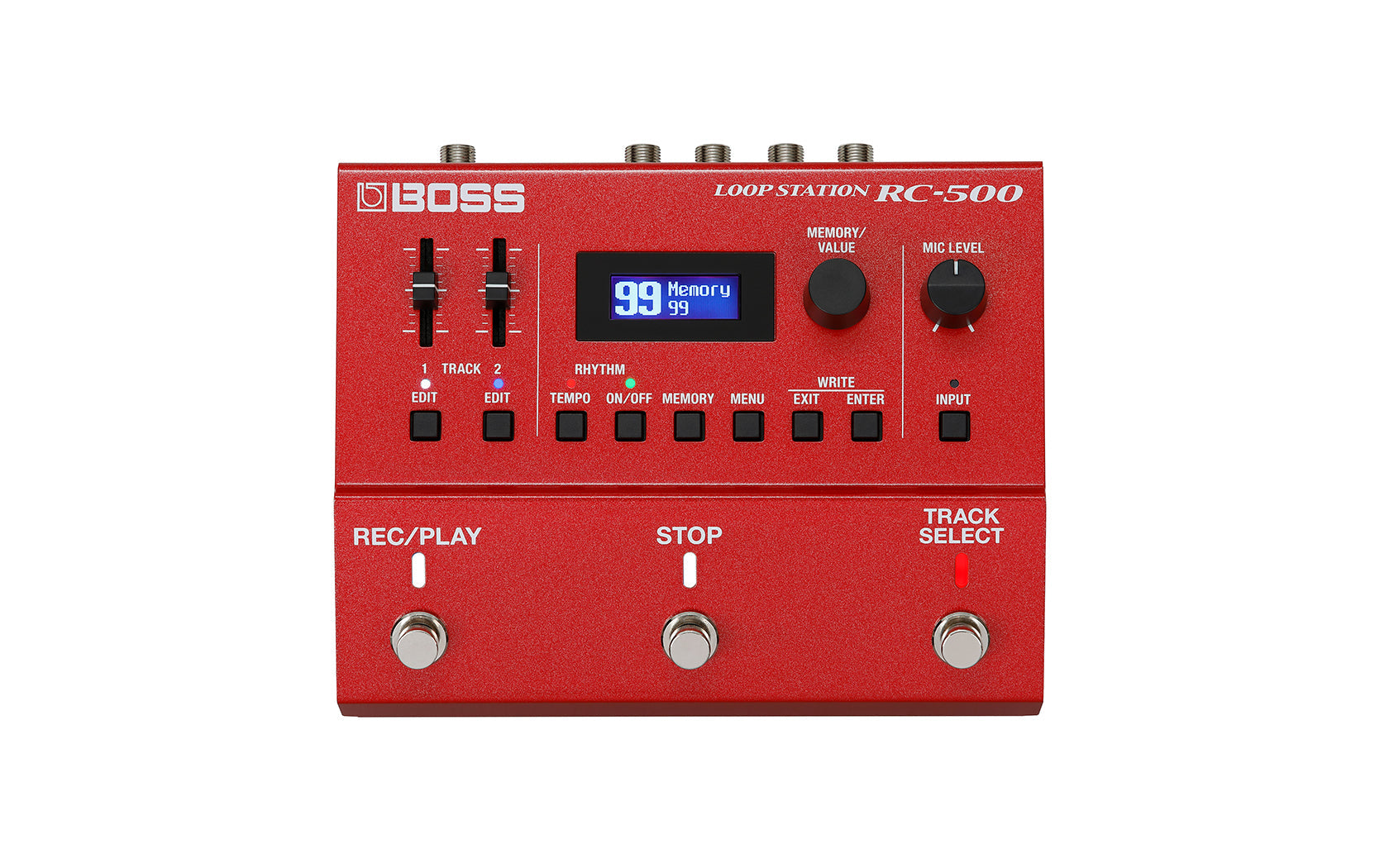
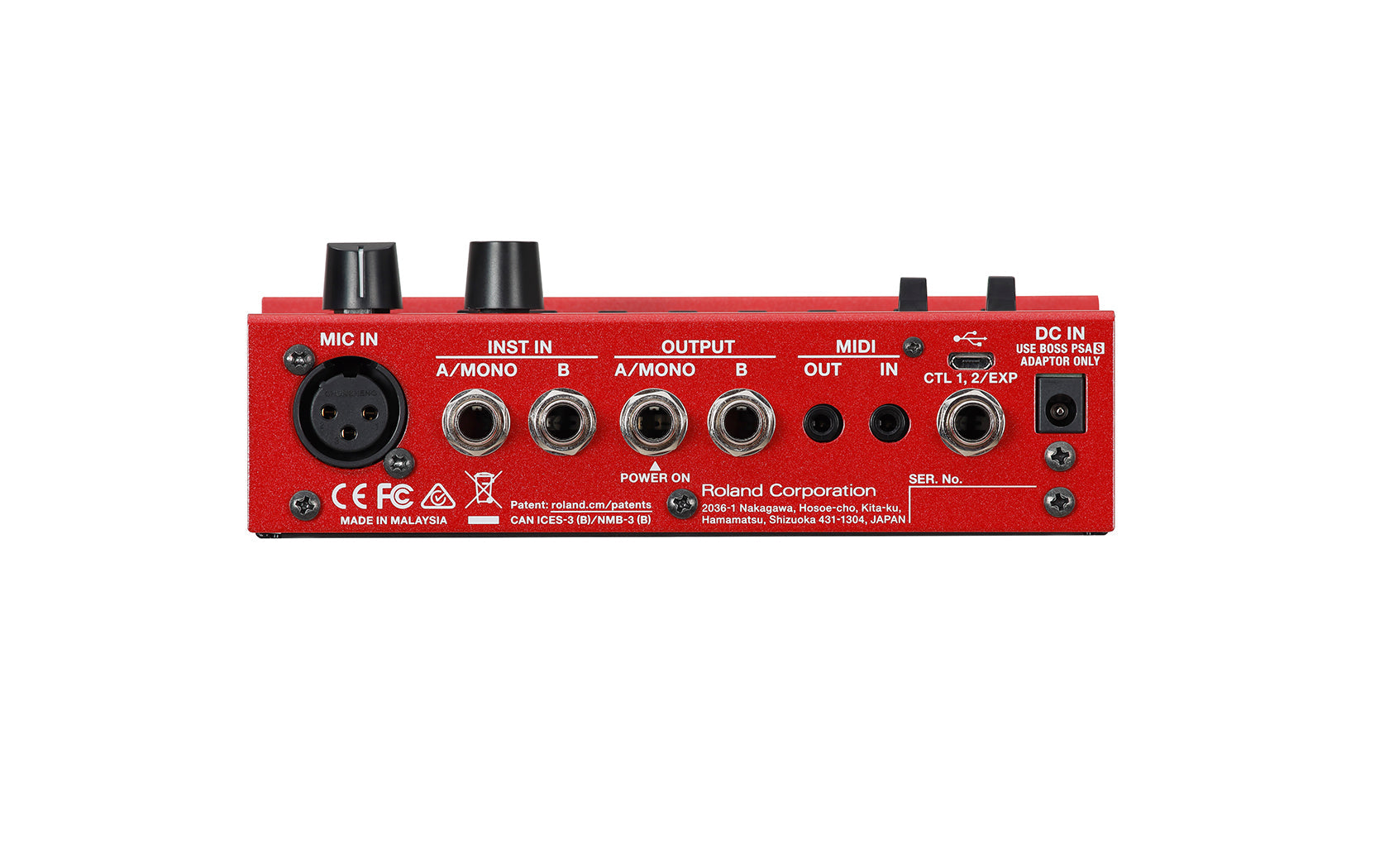
Digitech Trio+ Band Creator and Looper Pedal OPEN BOX
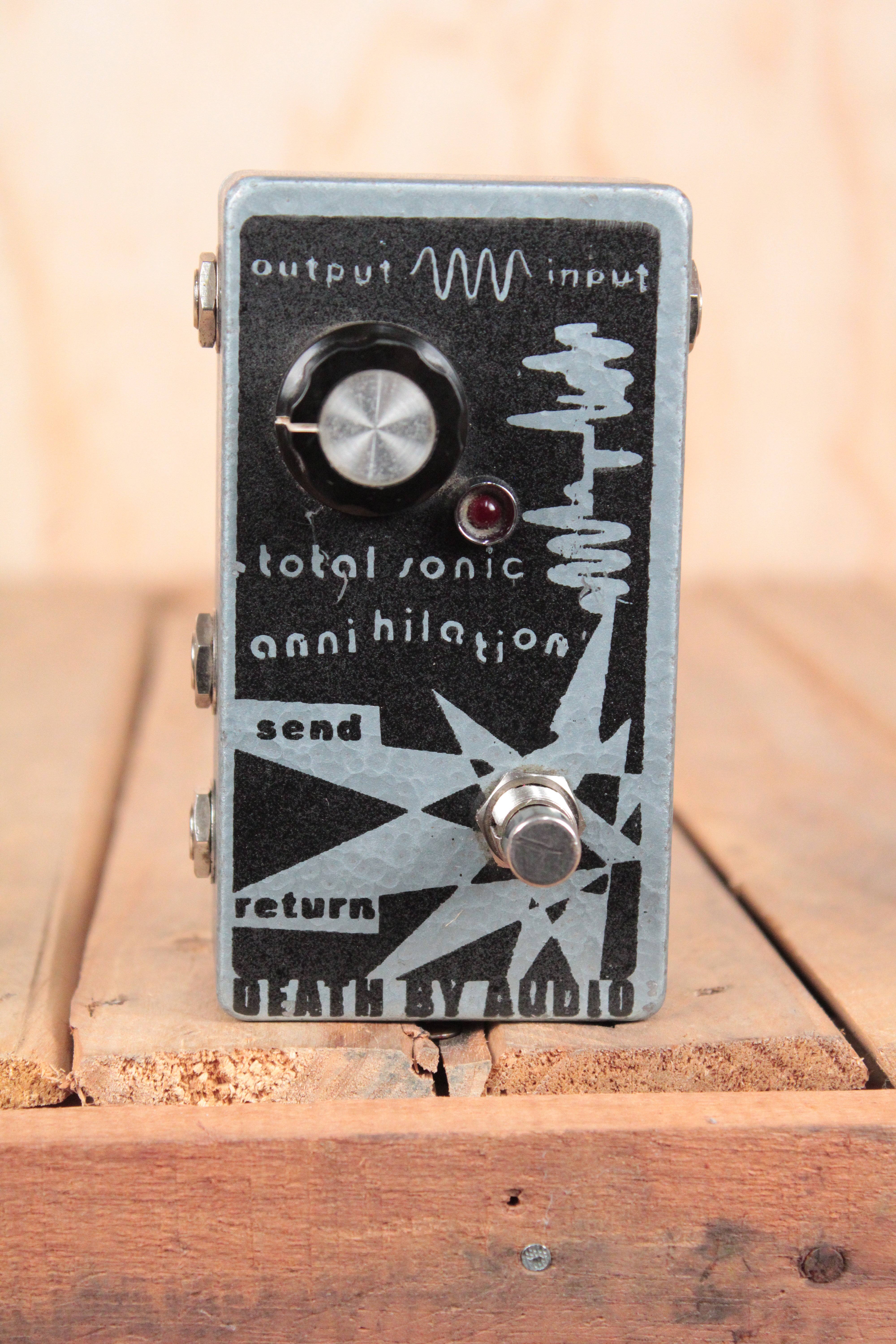
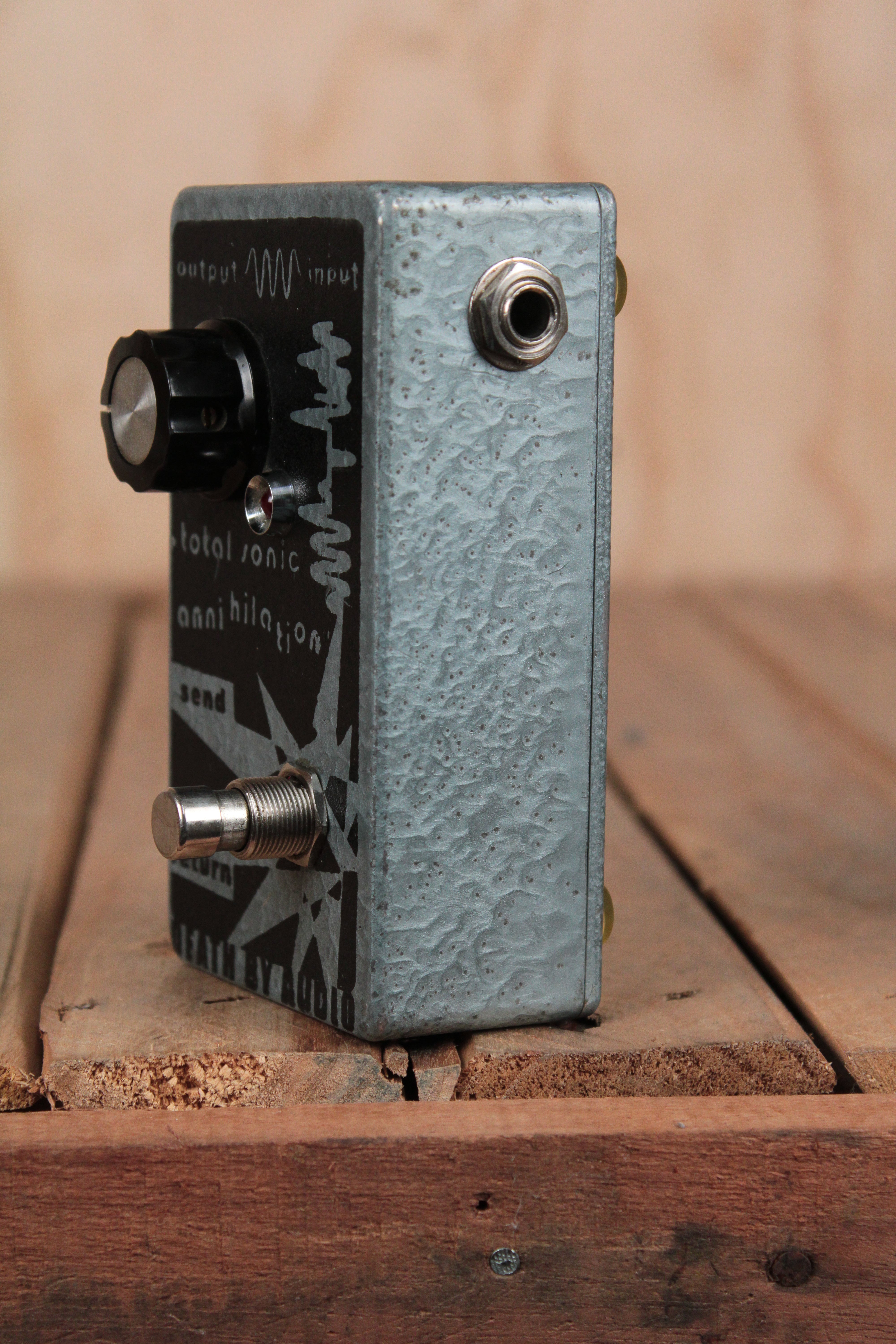
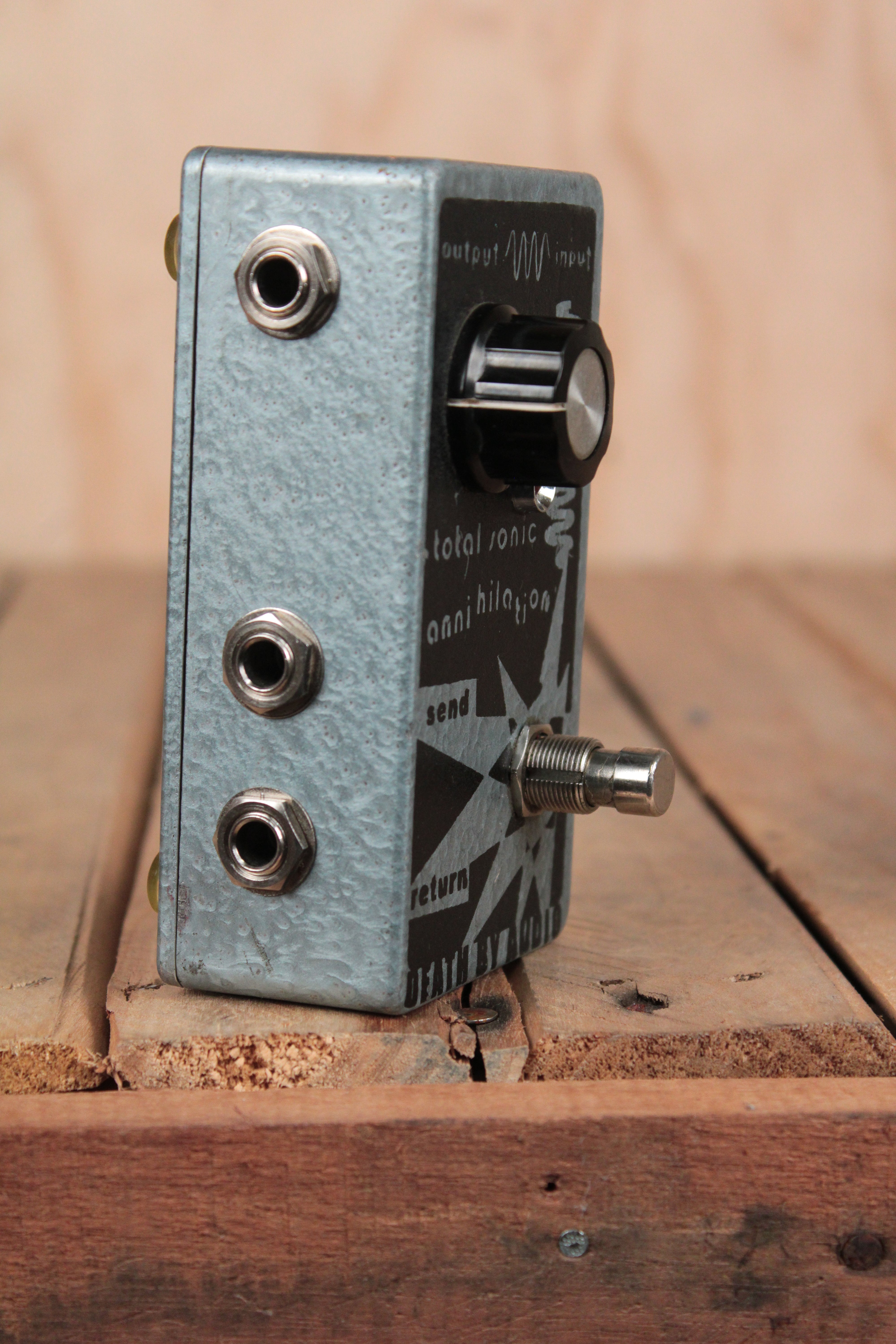
Explore leading loop pedals from BOSS, DigiTech and MXR, with models suitable for guitar, bass, keyboards, vocals, songwriting and live performance.
Record it. Layer it. Play over it. Make it yours.
Find the Right Looper Pedal at Fair Deal Music
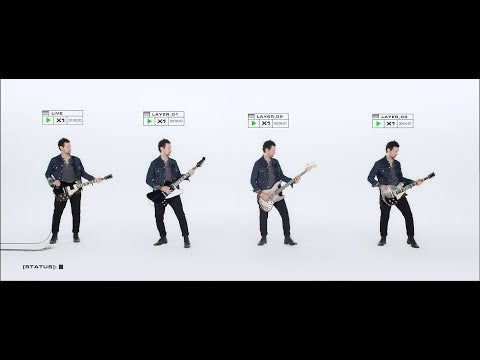
A loop pedal records a musical phrase and plays it back repeatedly, leaving you free to add new layers or perform over the top. You can build rhythm parts, harmonies, bass lines, melodies and complete arrangements without needing another musician in the room.
Whether you want a straightforward first looper or a powerful performance station, Fair Deal Music stocks popular models from trusted brands including BOSS, DigiTech and MXR.
Why Use a Loop Pedal?
- Make practice more enjoyable: Record a chord sequence and practise scales, solos and melodies over it.
- Improve your timing: Creating a clean loop encourages accurate playing and consistent rhythm.
- Develop new songs: Capture ideas quickly and experiment with additional parts.
- Create layered performances: Build complete arrangements using one instrument or several sound sources.
- Expand a solo set: Add rhythm, harmony and texture during live performances.
- Experiment freely: Try ideas instantly without setting up recording software.
Which Loop Pedal Is Right for You?
Simple Compact Loopers
A compact looper is the best starting point for many players. These pedals focus on the essential record, playback, overdub, undo and redo functions without adding unnecessary complexity.
Models such as the BOSS RC-1 are ideal for musicians who want an easy-to-understand pedal for home practice, songwriting or straightforward live looping.
Loopers with More Recording Time and Presets
If you want to save loops, prepare material before a performance or develop more detailed arrangements, look for a model with onboard memory and multiple preset locations.
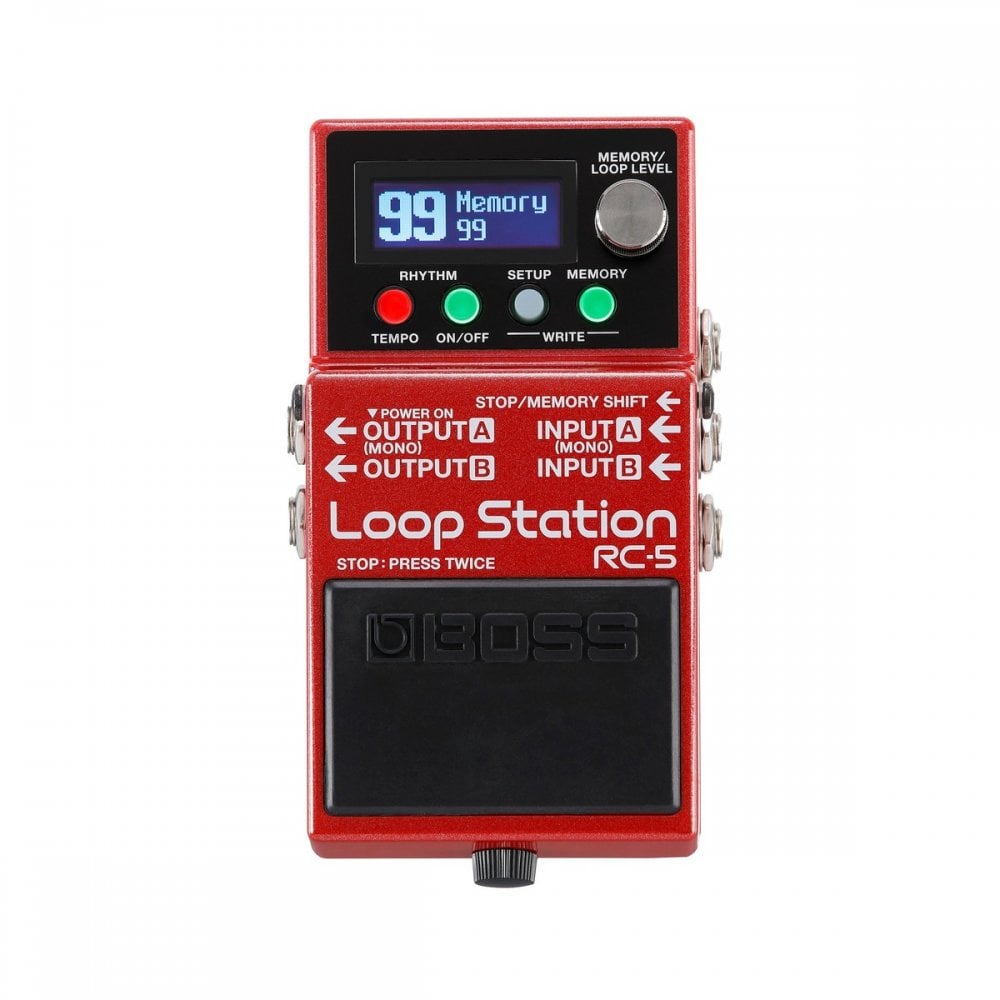
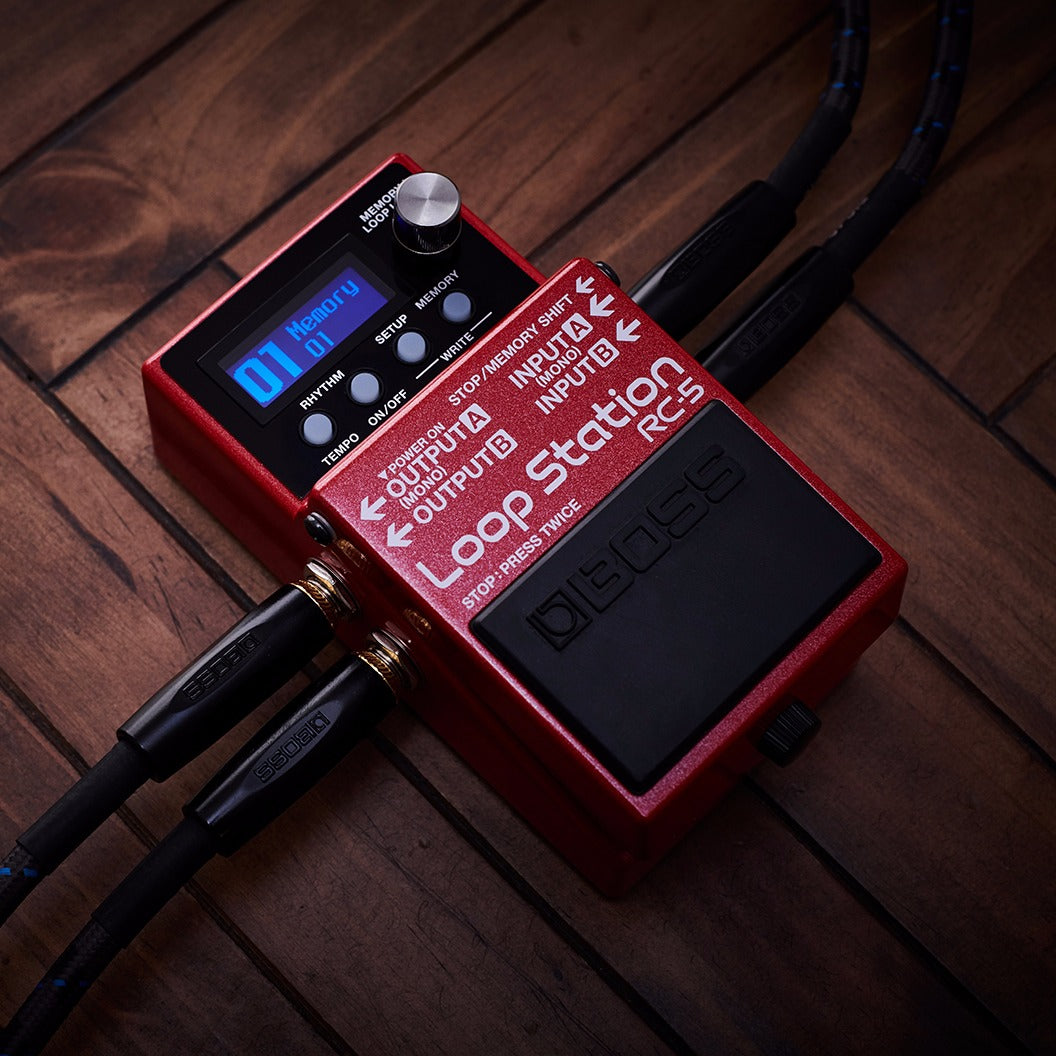
Pedals such as the BOSS RC-5 combine a compact format with expanded recording, storage and control options, making them a strong choice for musicians who want more flexibility without moving to a large floor unit.
Multi-Track Loop Stations
Multi-track loopers allow different musical parts to be recorded and controlled independently. They are particularly useful for solo performers, singer-songwriters and musicians building complete arrangements on stage.
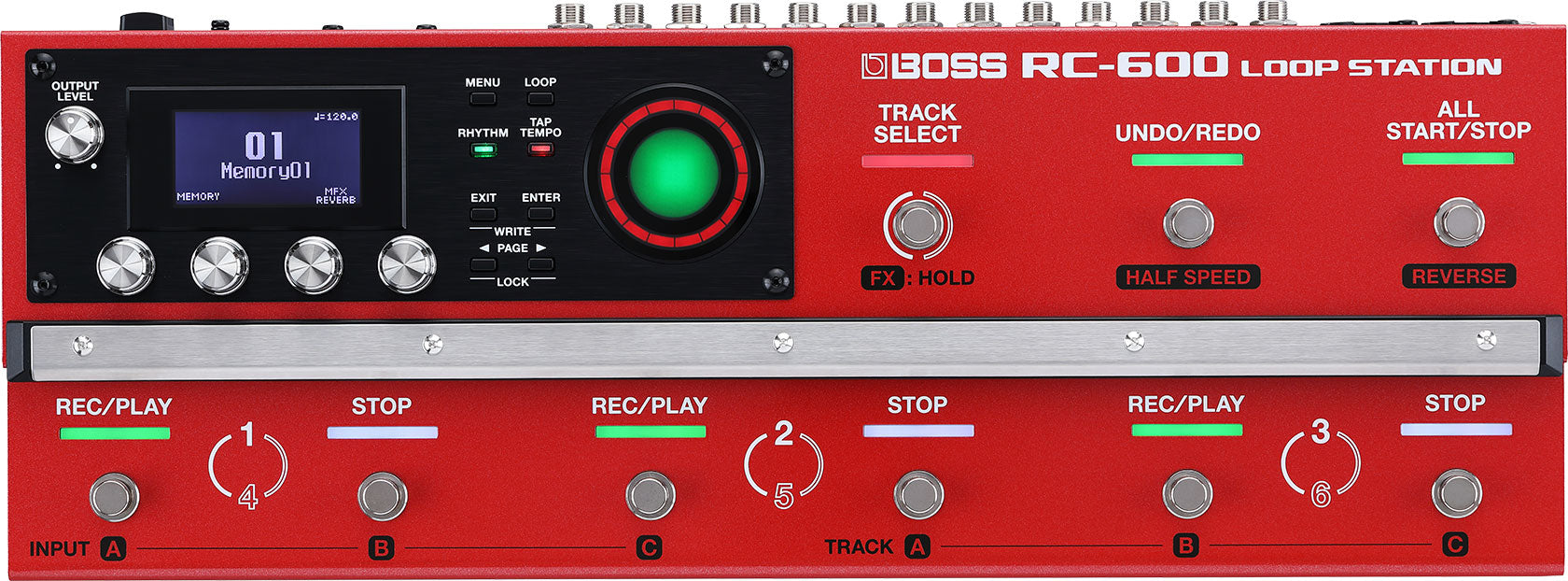
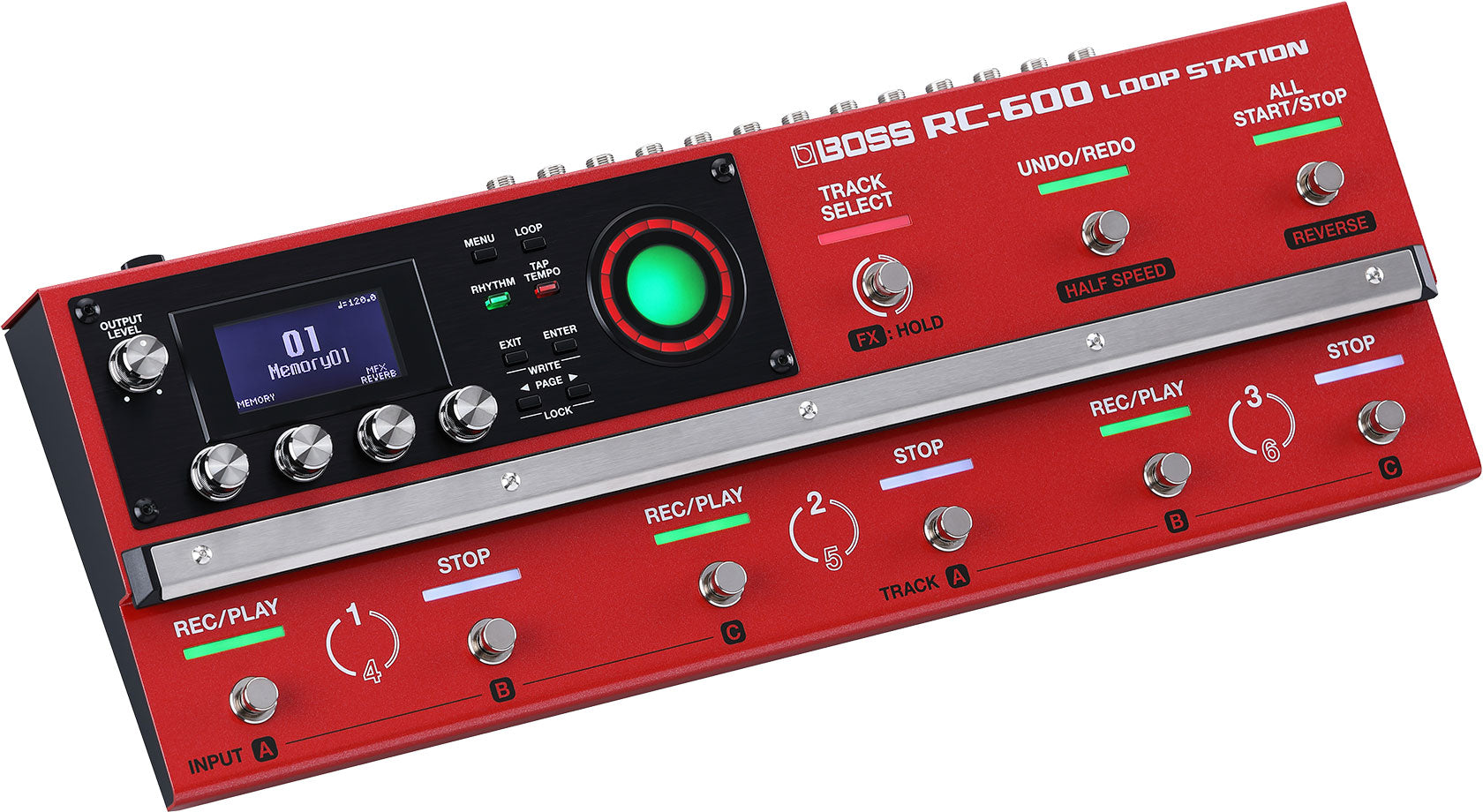
Advanced models such as the BOSS RC-500 and RC-600 offer greater control, more connections and deeper performance features for musicians who want a looper to become the centre of their live setup.
Loopers with Rhythm and Accompaniment
Some loop pedals add rhythm patterns, drum parts or accompaniment tools. These can make solo practice feel more musical and help performers create fuller arrangements.
Options such as the BOSS RC-10R and DigiTech TRIO+ combine looping with rhythm or accompaniment features, giving guitarists an interactive platform for practising, writing and performing.
What to Consider When Buying a Loop Pedal
Ease of Use
A simple single-footswitch looper can be ideal for learning the basics. More advanced models provide additional control but may require more time to understand and set up.
Recording Time
Consider whether you only want to capture short musical phrases or need enough recording time for complete song sections and longer performances.
Memory and Saved Loops
Basic loopers may keep your most recent recording, while advanced models can store multiple loops and presets. Onboard memory is valuable if you want to prepare material in advance or return to previous ideas.
Single or Multiple Tracks
One track is enough for straightforward rhythm and lead practice. Multiple tracks give performers separate control over different sections, instruments or layers.
Mono or Stereo Connections
Stereo inputs and outputs can be useful with stereo pedalboards, keyboards, drum machines and dual-amplifier setups. A mono looper may be all you need for a traditional guitar-and-amplifier rig.
External Footswitch and MIDI Control
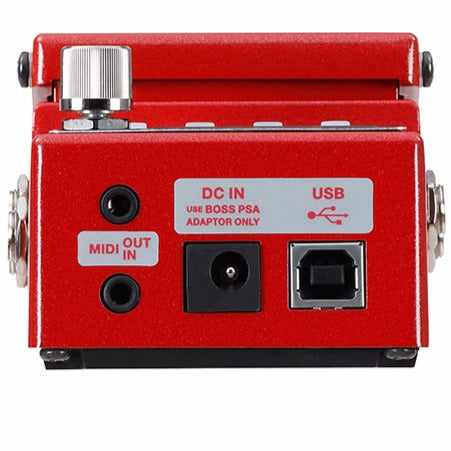
Additional footswitches can make it easier to stop, undo, change tracks or select saved loops. MIDI can provide deeper control and synchronisation in more advanced live or studio systems.
Rhythm Features
Built-in rhythm patterns can help you practise in time and make solo performances sound fuller. Check whether you need simple backing beats or more advanced accompaniment tools.
Loop Pedals Aren’t Just for Guitarists
Although often associated with electric and acoustic guitar, loopers can be used with many different sound sources. Depending on the available inputs and connections, they can work with basses, keyboards, synthesisers, drum machines, microphones and other instruments.
Vocalists and acoustic performers should check whether the chosen model accepts a microphone directly or requires a suitable mixer, preamp or additional connection equipment.
Popular Looper Pedal Brands
BOSS Loop Stations
BOSS offers one of the broadest looper ranges available, from the accessible RC-1 through to advanced multi-track Loop Stations. The range caters for first-time users, practising musicians, songwriters and professional live performers.
DigiTech Loopers
DigiTech’s JamMan and TRIO+ products are popular with musicians looking for generous looping features, song creation tools and interactive accompaniment.
MXR Loop Pedals
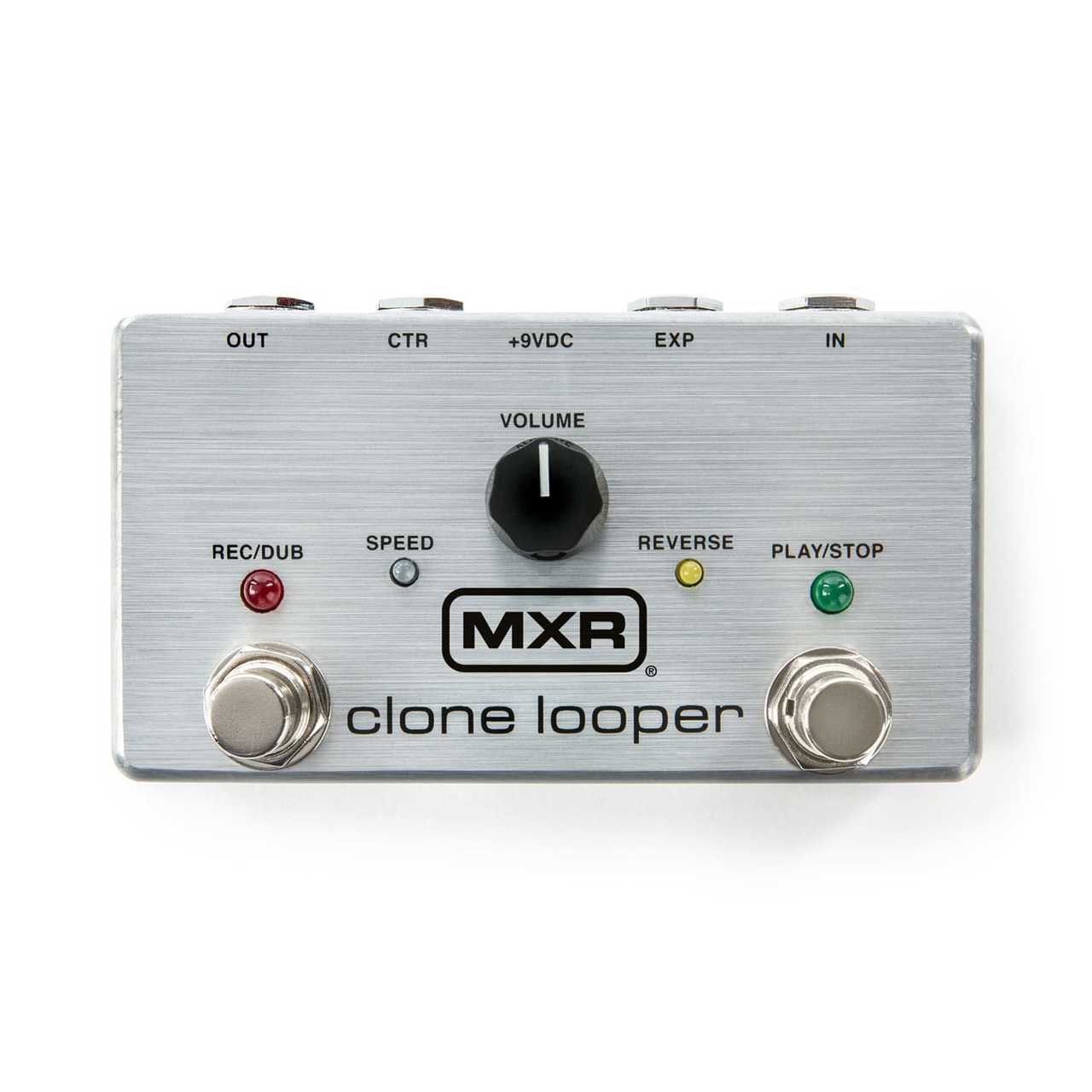
MXR loopers combine pedalboard-friendly construction with practical controls for guitarists who want creative looping without moving to a larger workstation.
Why Thousands of Musicians Choose Fair Deal Music
When you buy from Fair Deal Music, you’re choosing one of the UK’s most established, independent family-run music retailers since 1987.
- Friendly guidance from experienced musicians and product specialists
- A carefully selected range of popular loop pedals and effects
- Secure online ordering and UK delivery options
- Finance available on qualifying purchases, subject to status and terms
- Established Birmingham showroom
- Support before and after your purchase
Buy • Sell • Trade
Have an effects pedal, amplifier, guitar or other piece of musical equipment you no longer use? Fair Deal Music can consider suitable gear for purchase or part exchange.
Trading in your existing equipment can make upgrading to a new looper or pedalboard setup easier. Provide clear photographs and an honest description, and our team can discuss the available options.
Loop Pedal FAQs
What does a loop pedal do?
A loop pedal records a musical phrase and repeats it continuously. You can then play over the recording or add further layers, known as overdubs.
Are loop pedals suitable for beginners?
Yes. A simple compact looper is an excellent practice and creative tool for beginners. It can help develop timing, improvisation and an understanding of rhythm and harmony.
Can I use a loop pedal without other effects?
Yes. A looper can be connected directly between a compatible instrument and amplifier. Always check the manufacturer’s connection and power requirements.
Where should a looper go on my pedalboard?
A looper is commonly placed near the end of the signal chain so it records the sounds created by your other effects. Different placements can produce different creative results.
Can I save my loops after switching the pedal off?
This depends on the model. Some loopers provide onboard memory for saving multiple recordings, while simpler pedals may only retain the most recent loop. Check the individual product specifications before ordering.
Can a loop pedal play drum patterns?
Selected models include built-in rhythm patterns or accompaniment features. Standard loopers may only record and play back the audio you perform.
Can I use a microphone with a looper?
Some advanced loop stations include dedicated microphone inputs. Other models may require a suitable mixer, microphone preamp or adaptor. Always confirm the input type before connecting a microphone.
Do loop pedals include a power supply?
Power arrangements vary by model. Some pedals include a power supply, while others require a compatible adaptor or pedalboard power source. Check the individual product listing for details.
Start Creating with a Loop Pedal
Whether you are practising your first solo, writing a new song or building a complete live performance, the right looper can become one of the most creative tools in your setup.
Explore our most popular loop pedals and find the right Loop Station for the way you make music.