![Boss RC-1 Loop Station Pedal [Open-Box] - Fair Deal Music](http://www.fairdealmusic.co.uk/cdn/shop/collections/Looper_Loop_LoopStation_pedals_b6360598-2b06-424c-9da5-1056c863c5b2.png?v=1790587614&width=1000)
Loop Pedals & Loop Stations
Build songs, practise solos and create full performances one layer at a time with our most popular looper pedals.
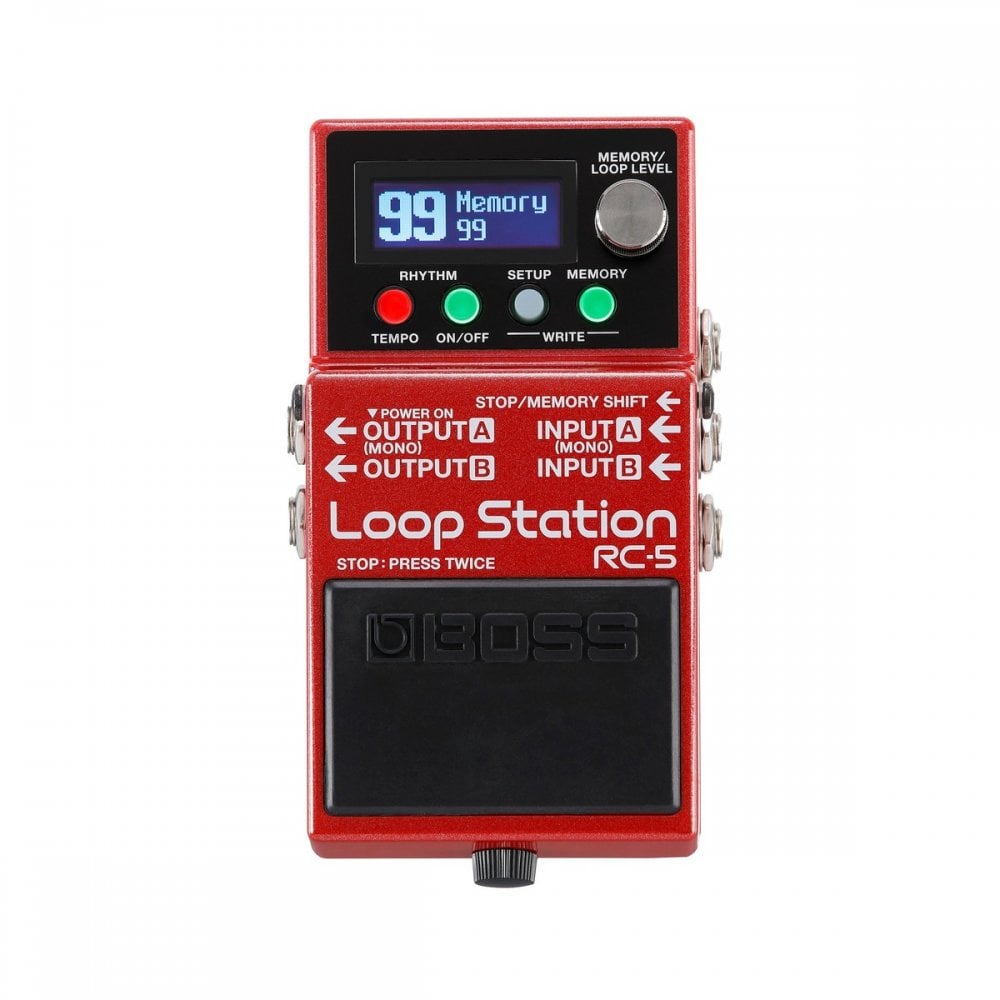
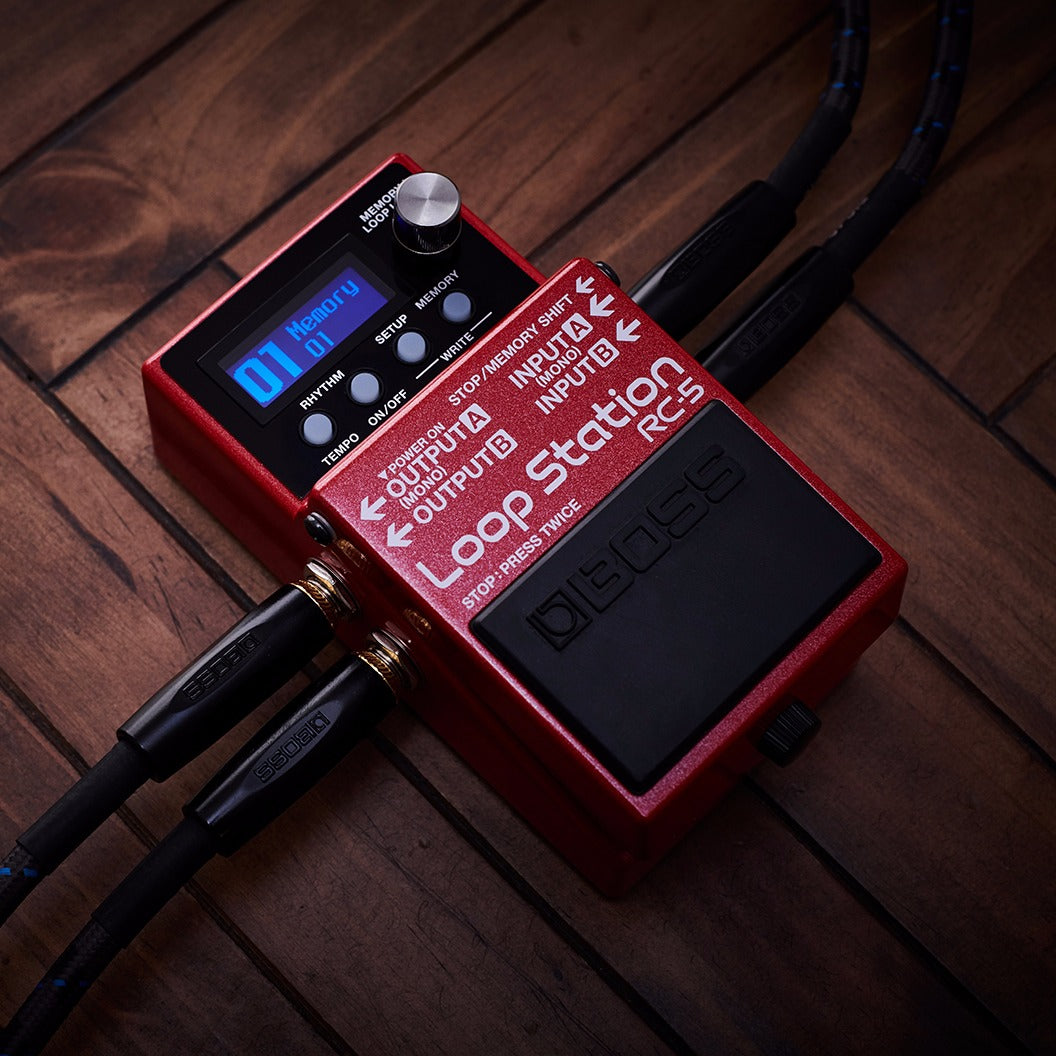
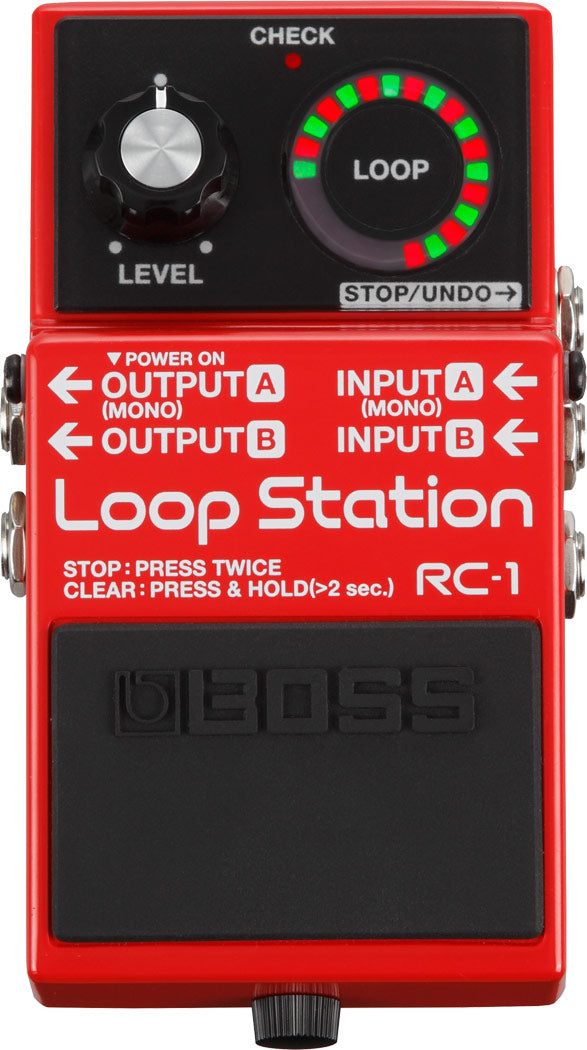
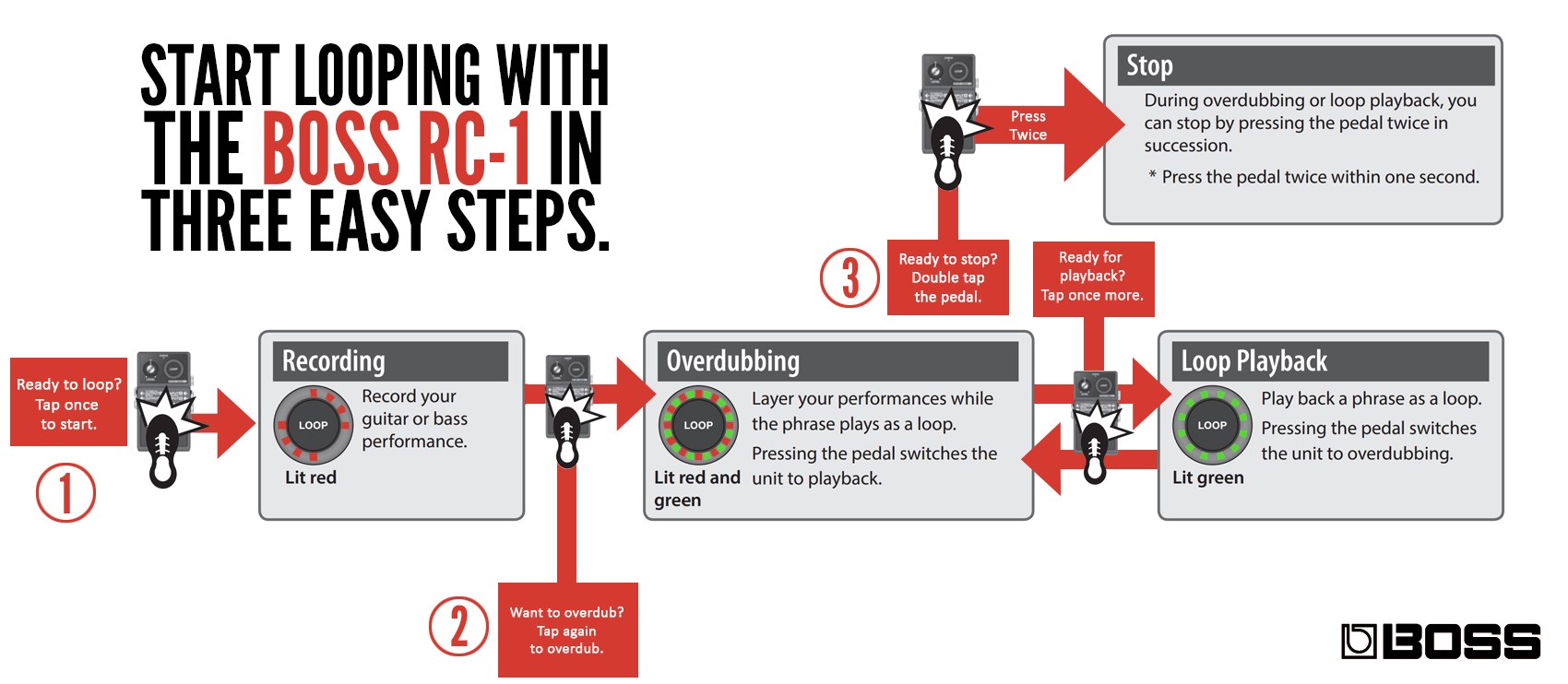
BOSS RC-1 Loop Station Compact Stereo Looper Pedal
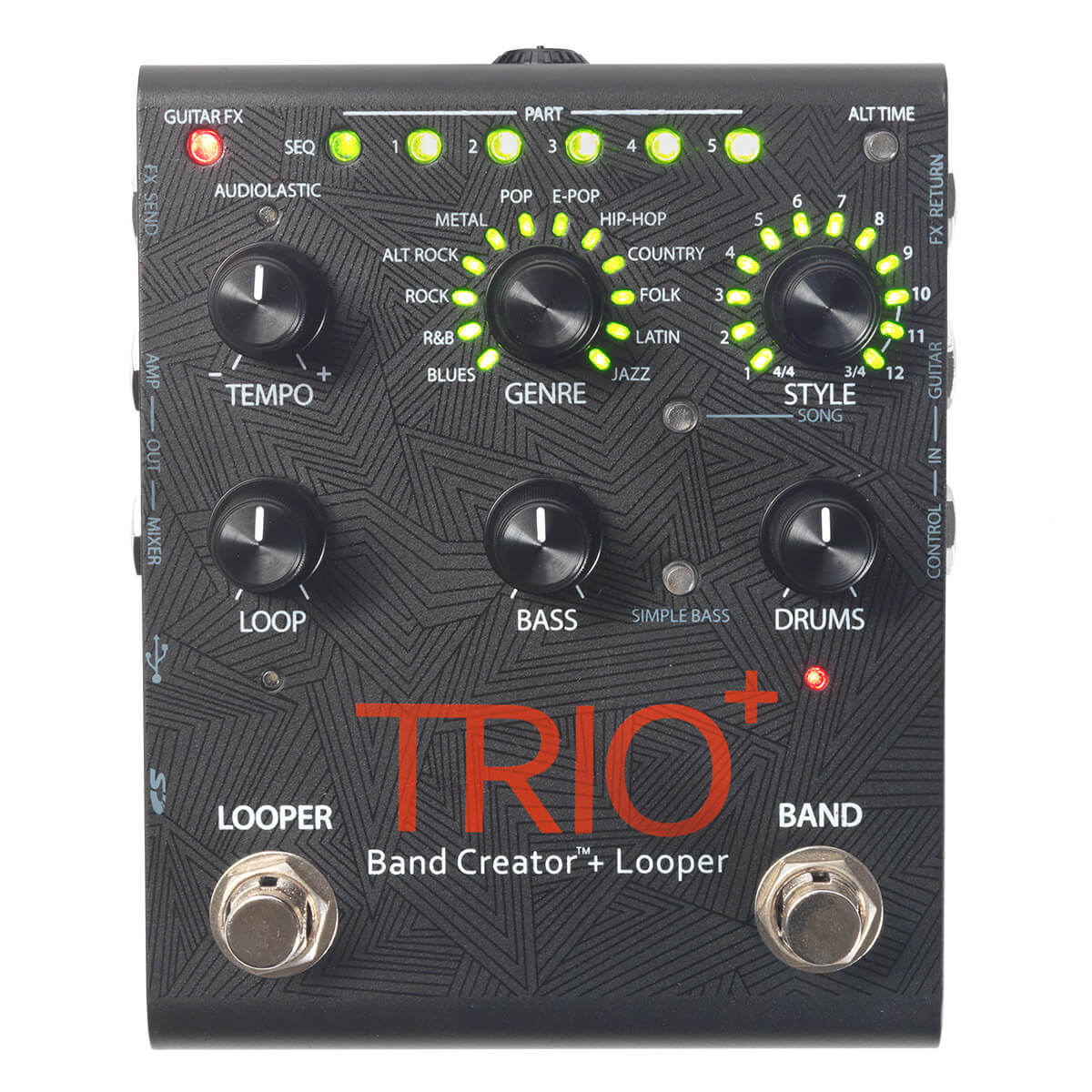
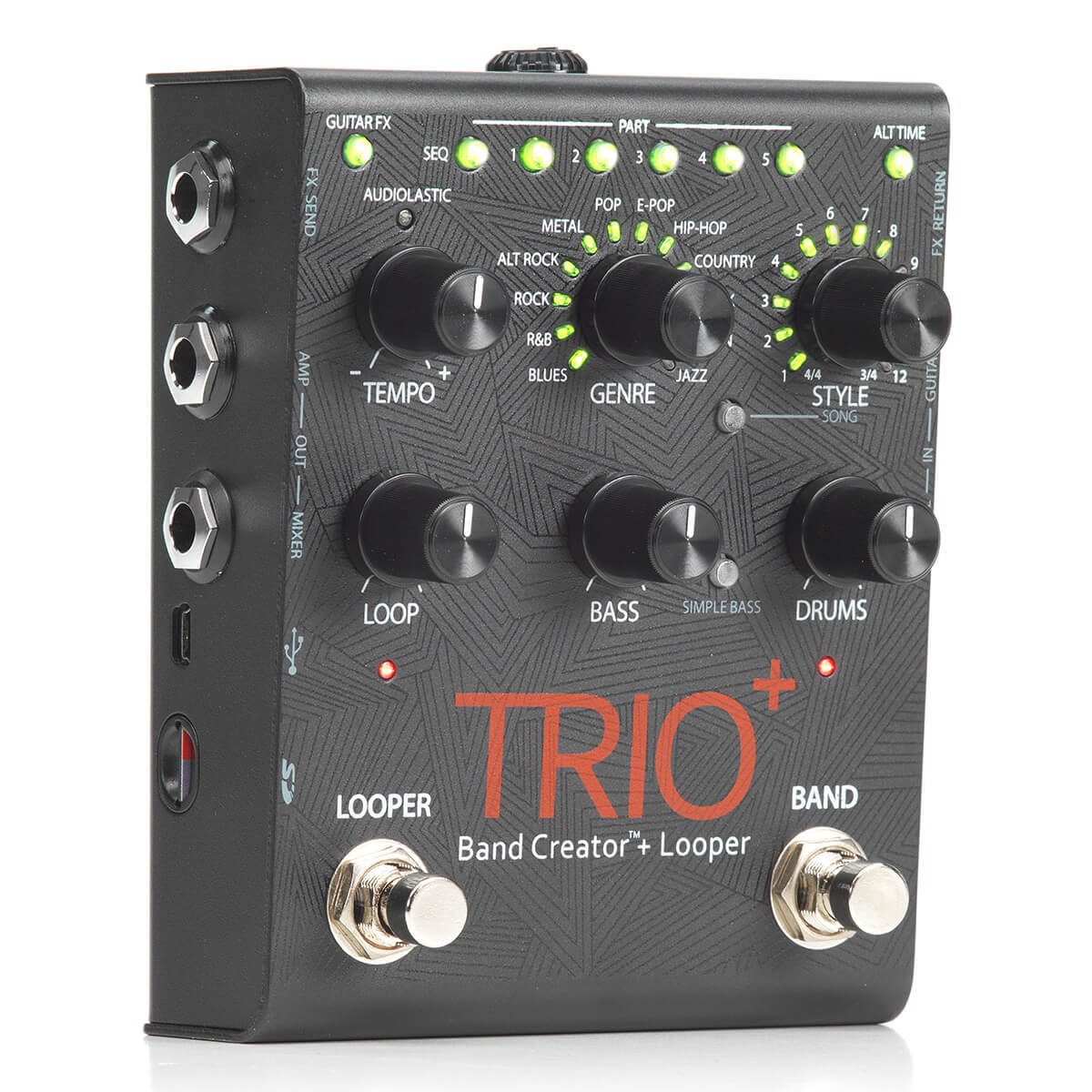
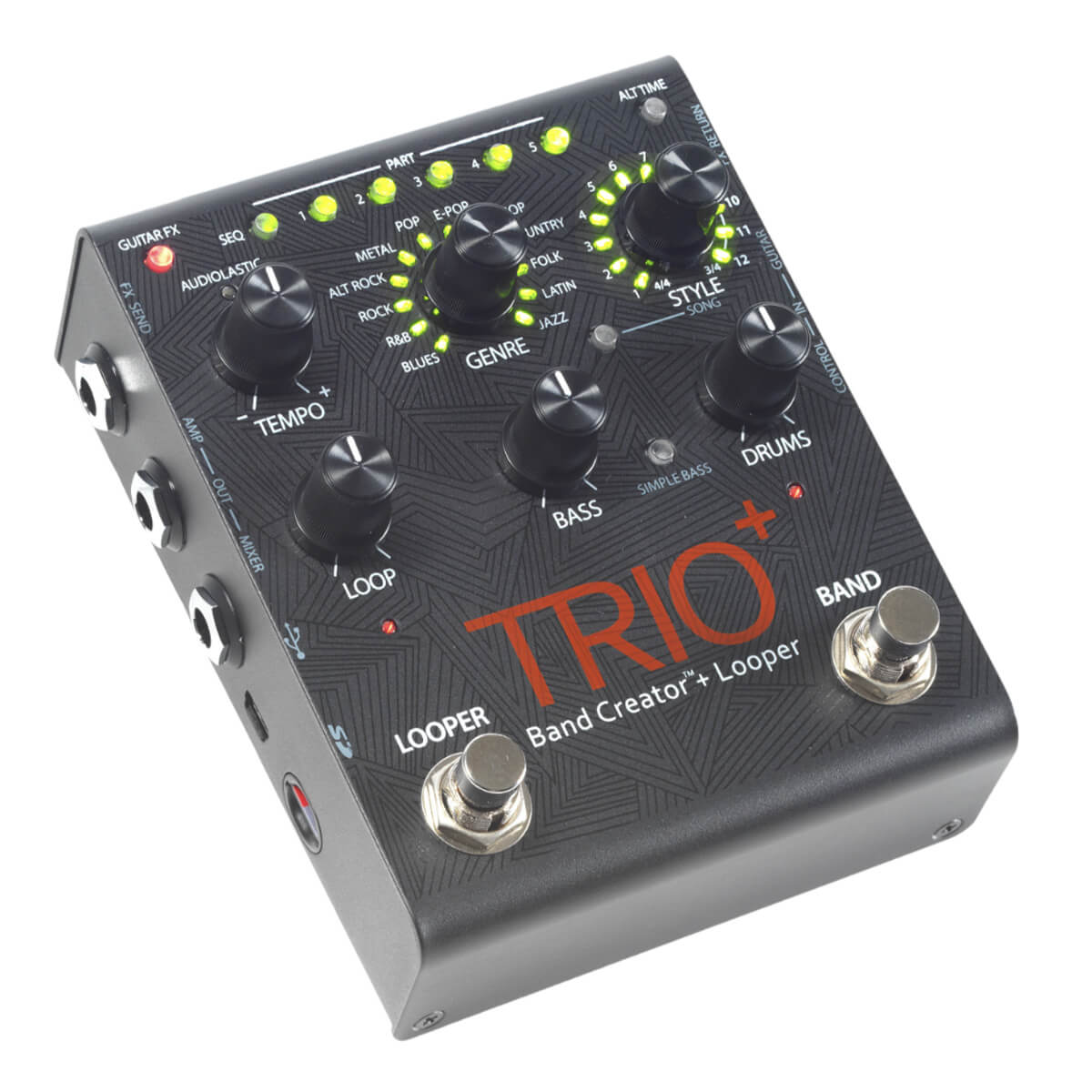
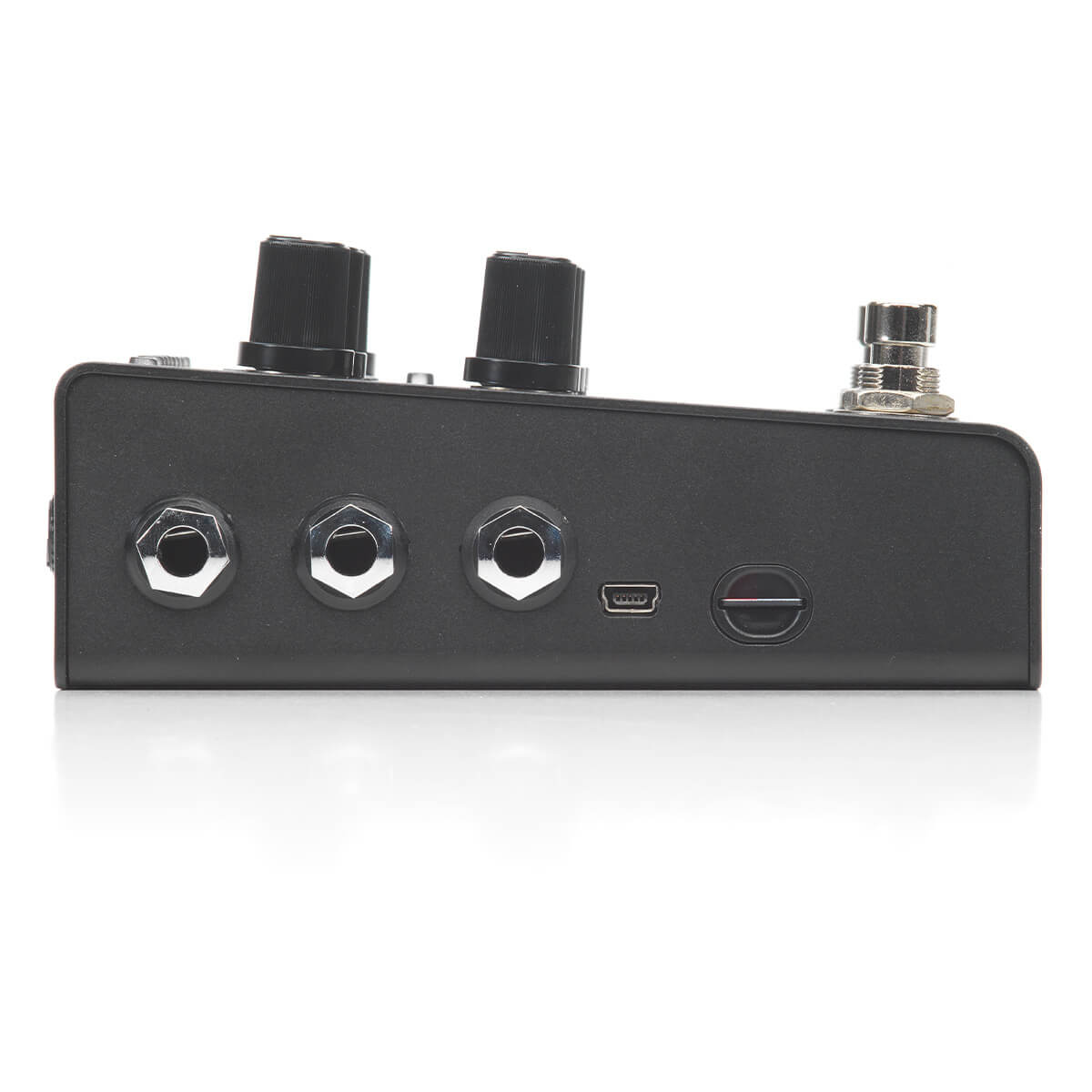
Digitech Trio+ Band Creator and Looper Pedal
Sell or Part-exchange
Sell your gear for cash or exchange it with a new one
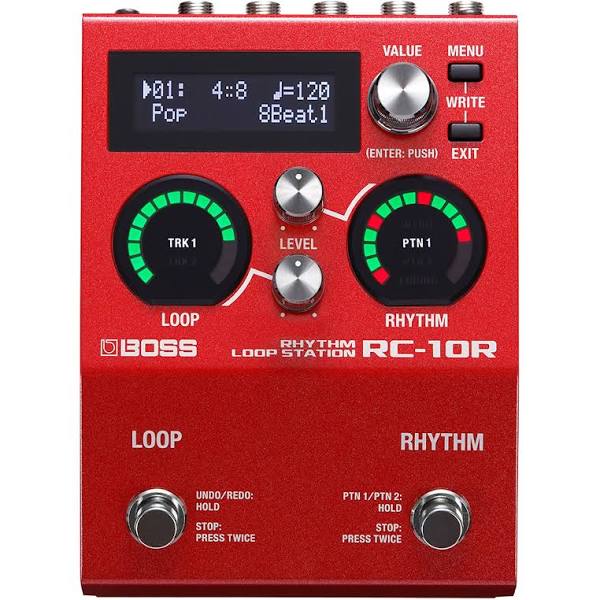
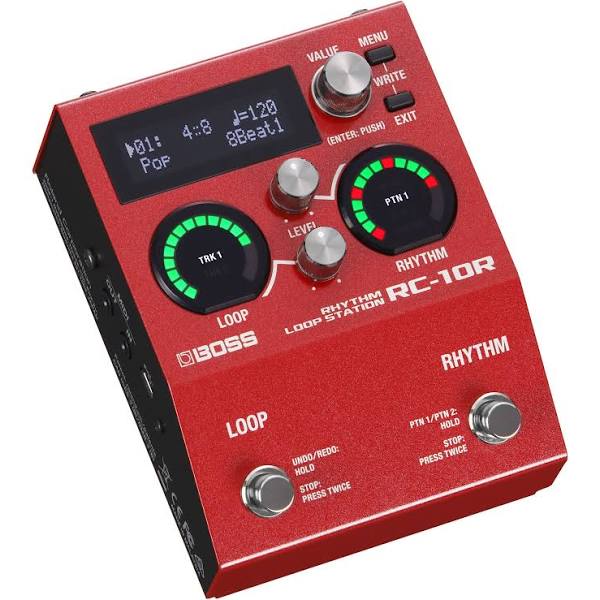
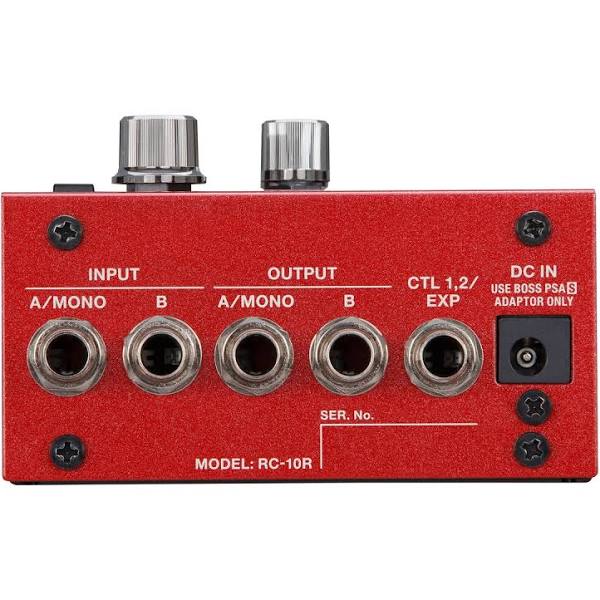
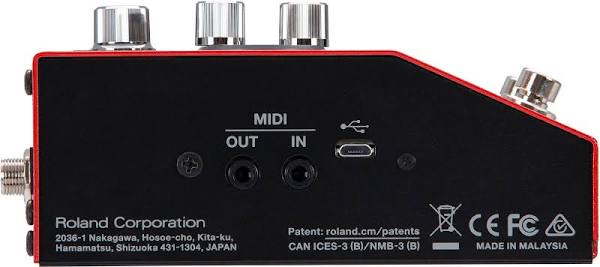
Boss RC-10R Rhythm Loop Station

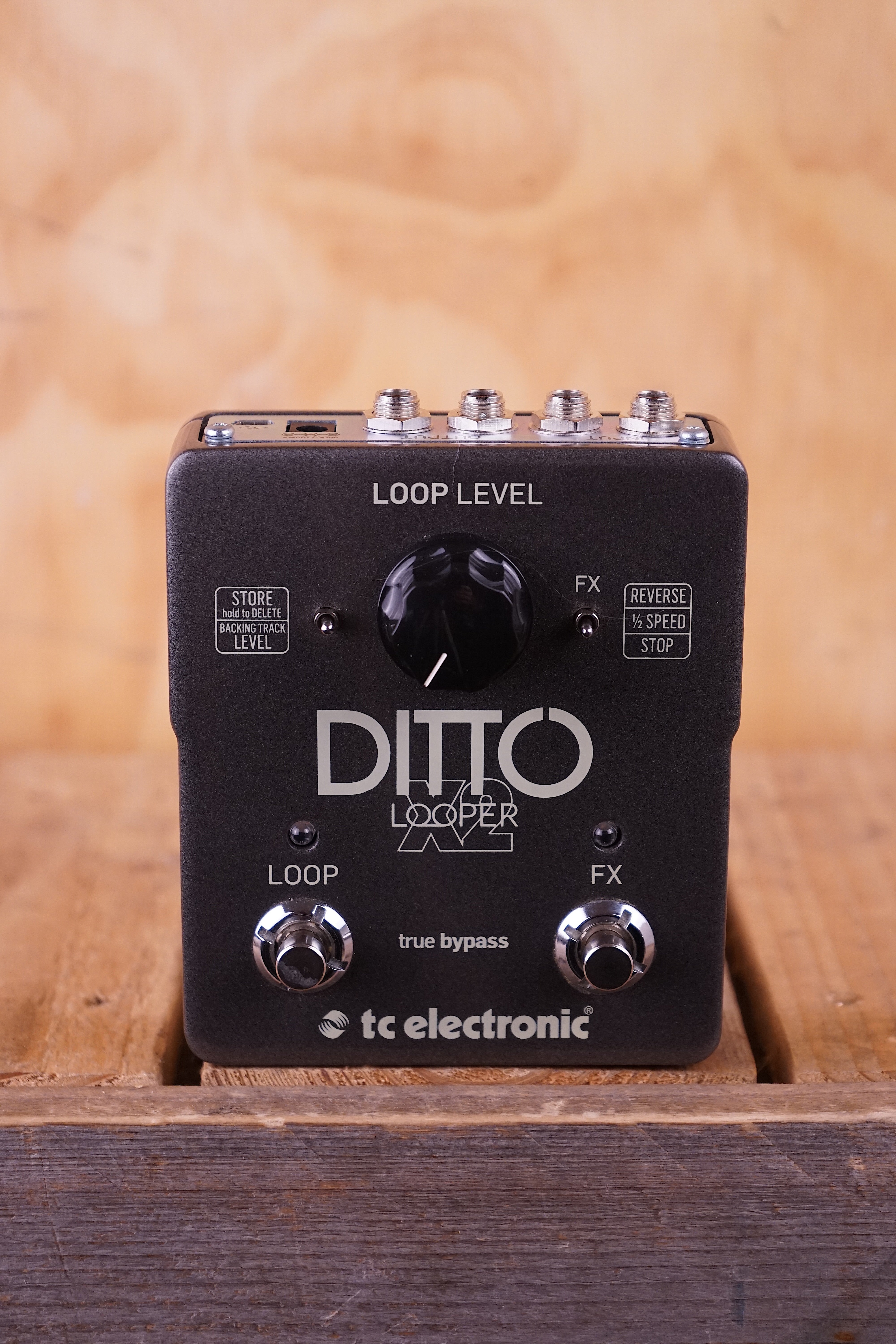
Make a Bundle, Get a Better Deal
Get in touch so we can help you make a customised bundle with a discount
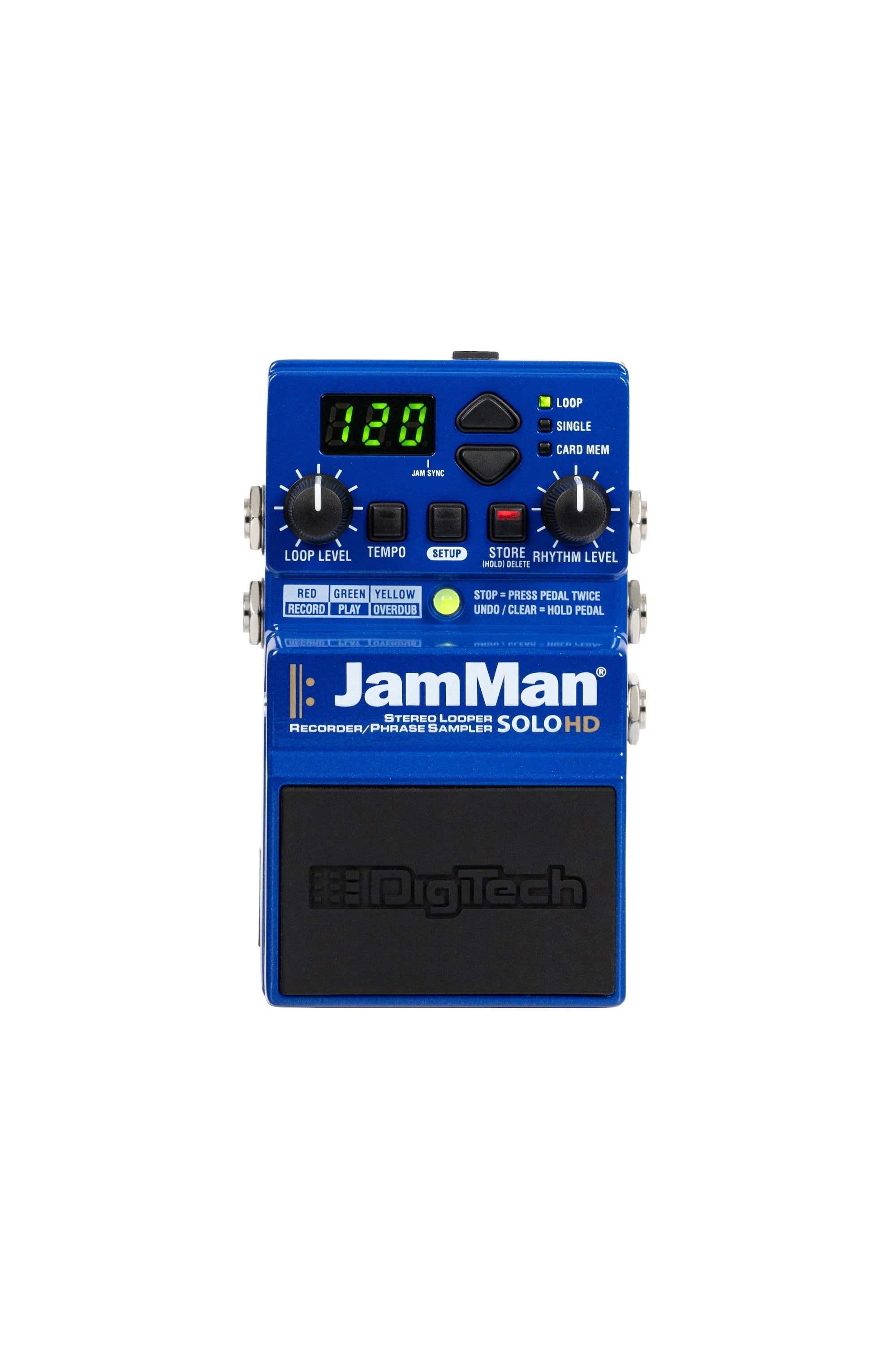
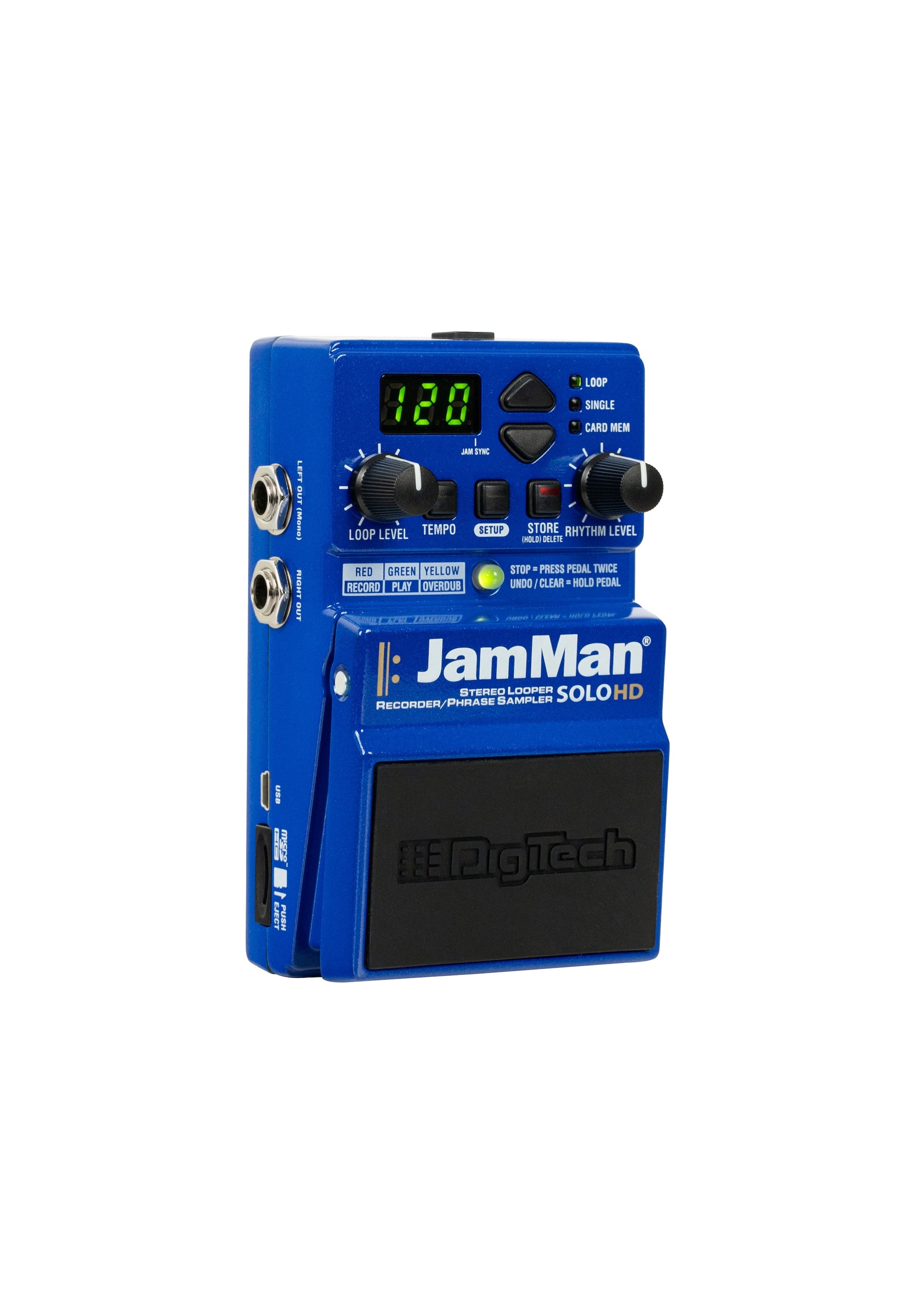
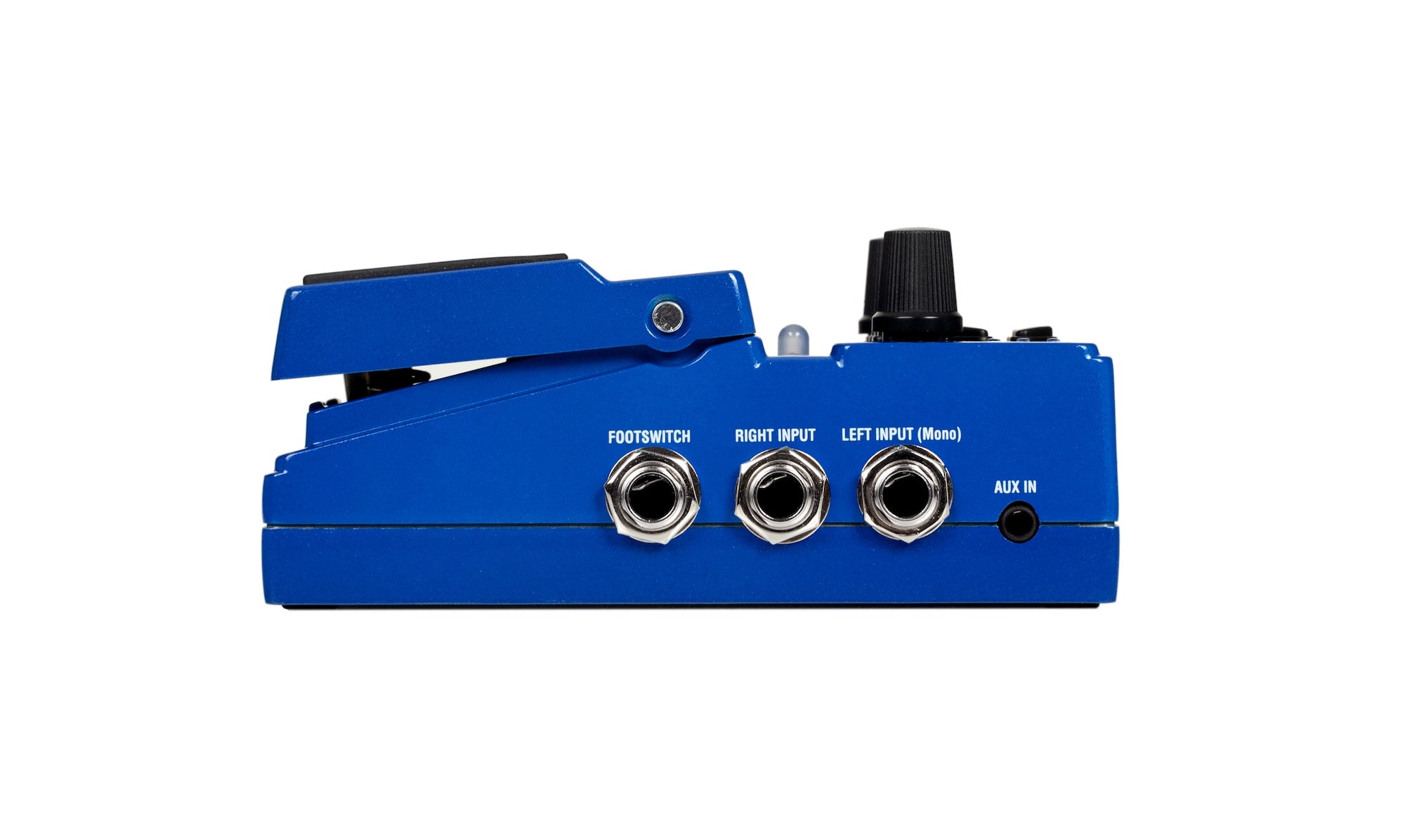
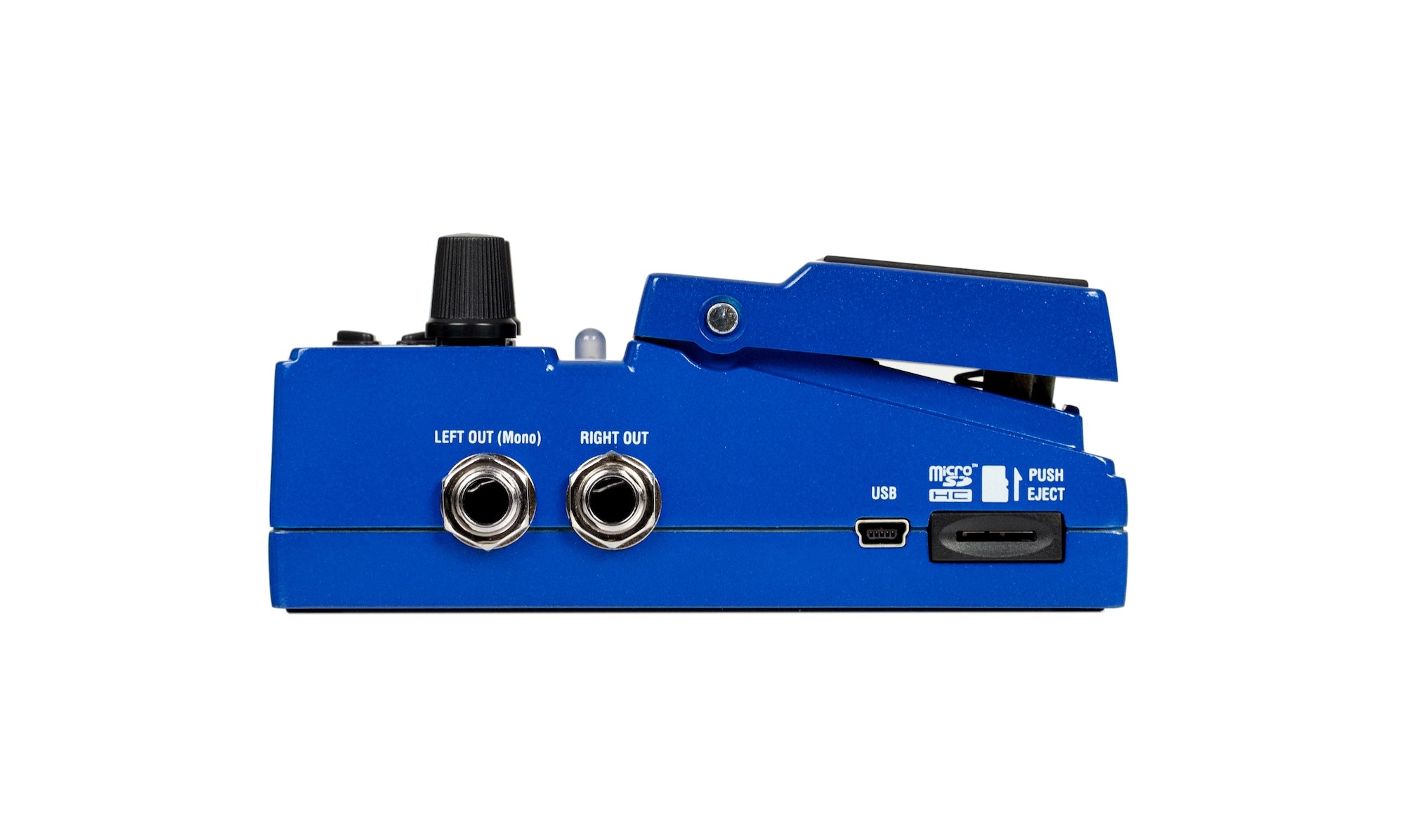
DigiTech JamMan Solo HD Compact Stereo Looper Guitar Effects Pedal
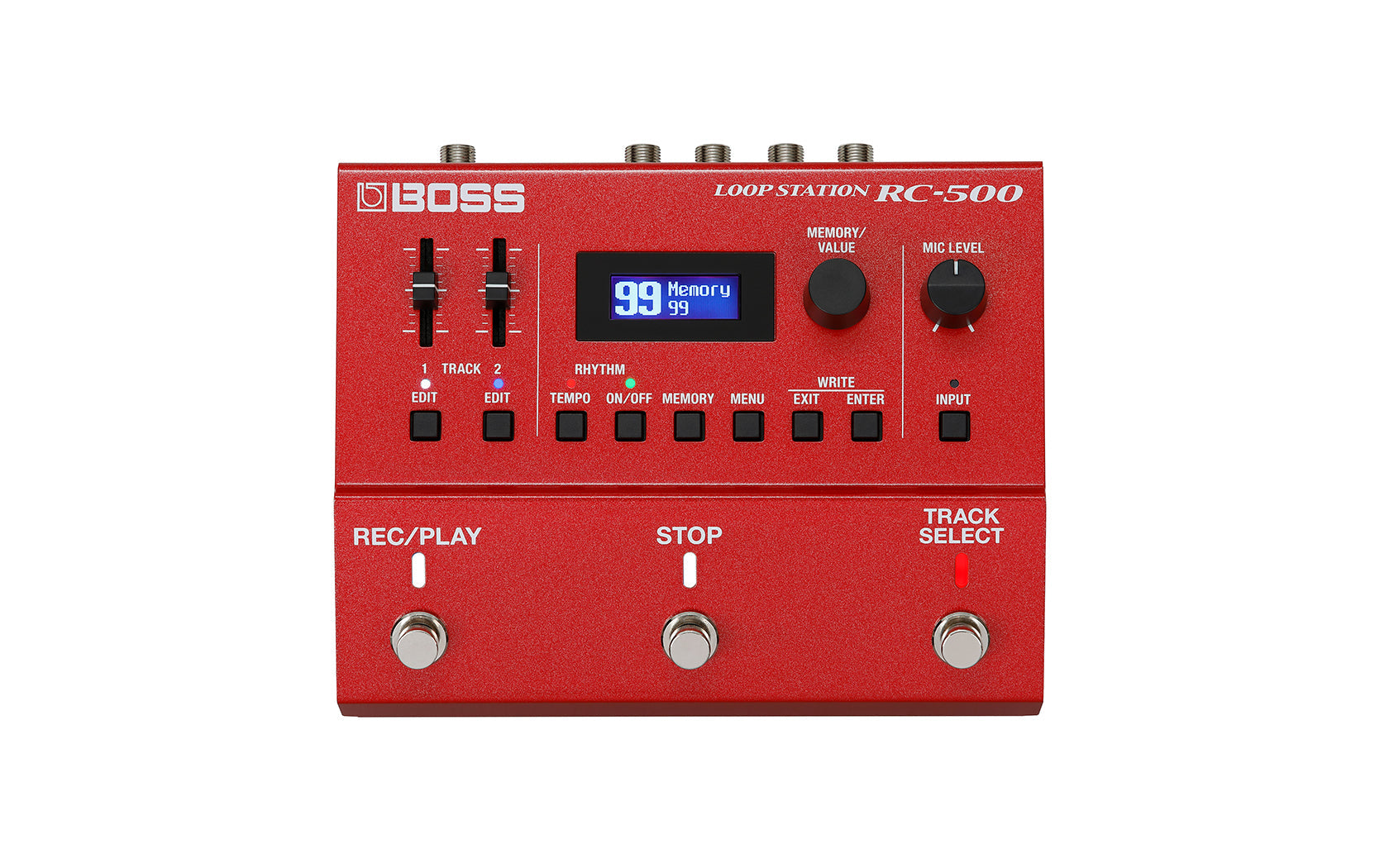
Digitech Trio+ Band Creator and Looper Pedal OPEN BOX
Whether you want a simple pedal for recording your first loop or an advanced Loop Station for songwriting and live performance, explore trusted options from leading brands including BOSS, DigiTech and MXR.
What Is a Loop Pedal?
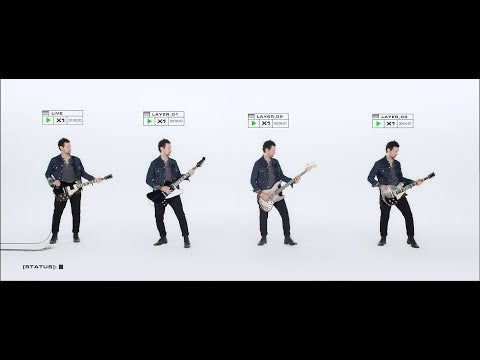
A loop pedal records a short section of your playing and repeats it continuously. You can then play over the loop, add further layers or build a complete arrangement in real time.
Loopers are popular with guitarists, bassists, singers, keyboard players and other musicians because they make it possible to practise, write and perform without needing a full band.
Why Use a Looper Pedal?
A looper can become one of the most useful and creative tools in your setup.
Use one to:
-
Practise solos over your own chord progressions
-
Develop timing, rhythm and improvisation
-
Build layered guitar or bass arrangements
-
Create backing parts for songwriting
-
Add textures and soundscapes
-
Perform solo with multiple musical layers
-
Capture ideas before they disappear
Choosing the Right Loop Pedal
The best looper depends on how you plan to use it.
Simple Loop Pedals
Compact single-switch loopers are ideal for beginners, home practice and musicians who want straightforward recording without complicated menus.
They normally focus on the essentials: record, overdub, play, stop and undo.
Dual-Switch Loopers
A two-switch design provides more direct control over recording, playback and stopping. This can make operation easier during rehearsals and live performances.
Advanced Loop Stations
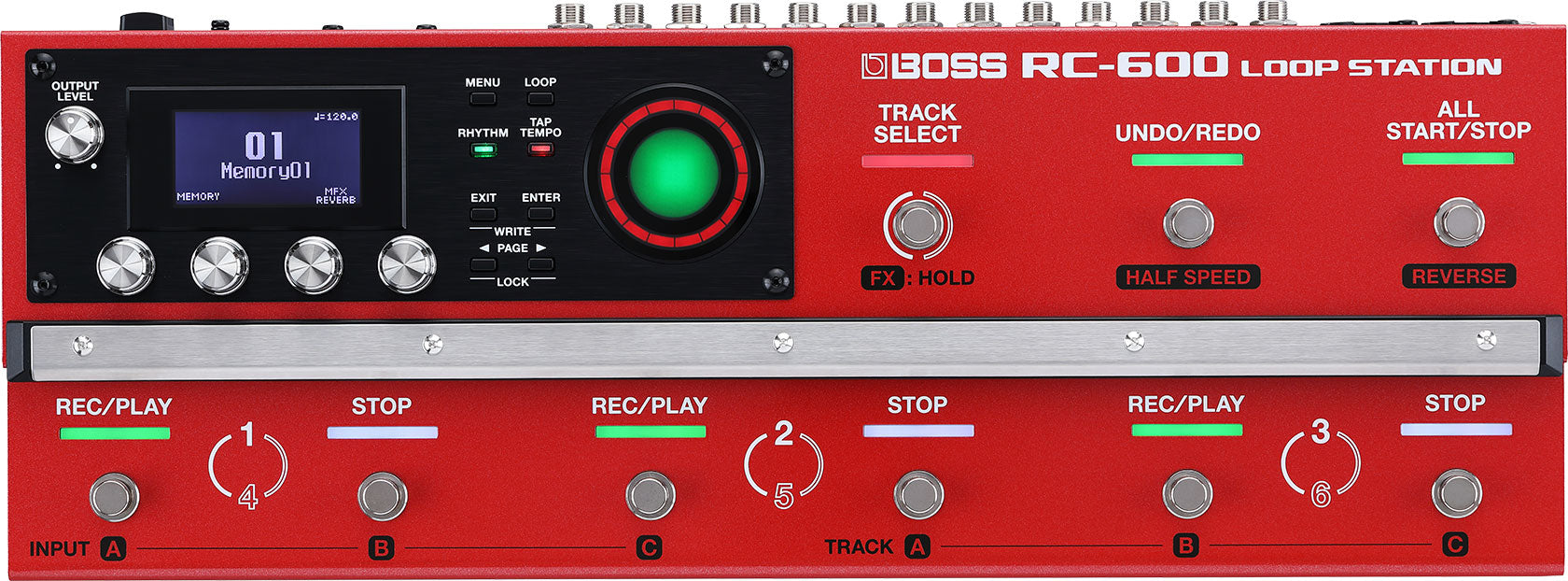
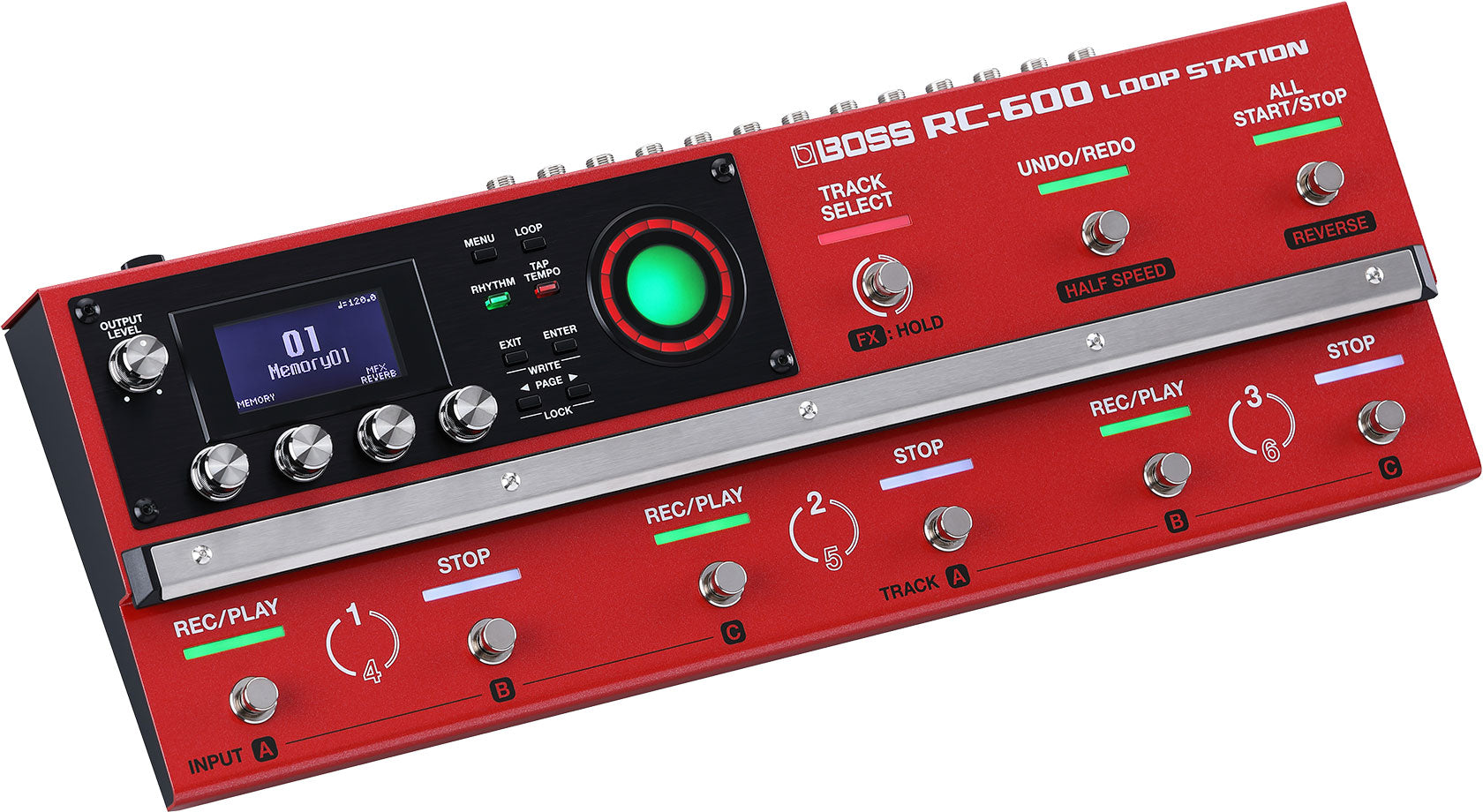
More advanced Loop Stations may offer multiple tracks, longer recording times, stored loops, rhythm patterns, effects, additional inputs and greater control over complete arrangements.
Loopers with Drums and Accompaniment
Some pedals combine looping with drum patterns, bass parts or intelligent accompaniment. These are particularly useful for songwriting, practice and solo performance.
Important Features to Consider
Recording Time
Longer recording time provides more freedom for extended arrangements and multiple musical sections.
Overdubbing
Overdubbing allows you to add additional performances on top of an existing loop.
Undo and Redo
This lets you remove or restore the most recent layer without deleting the complete loop.
Stored Loops
Memory locations allow you to save ideas, backing tracks or performance loops for future use.
Inputs and Outputs
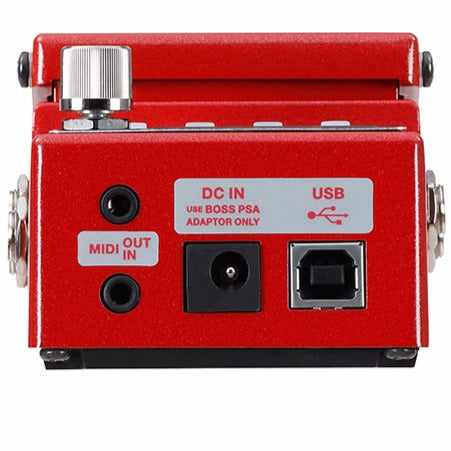
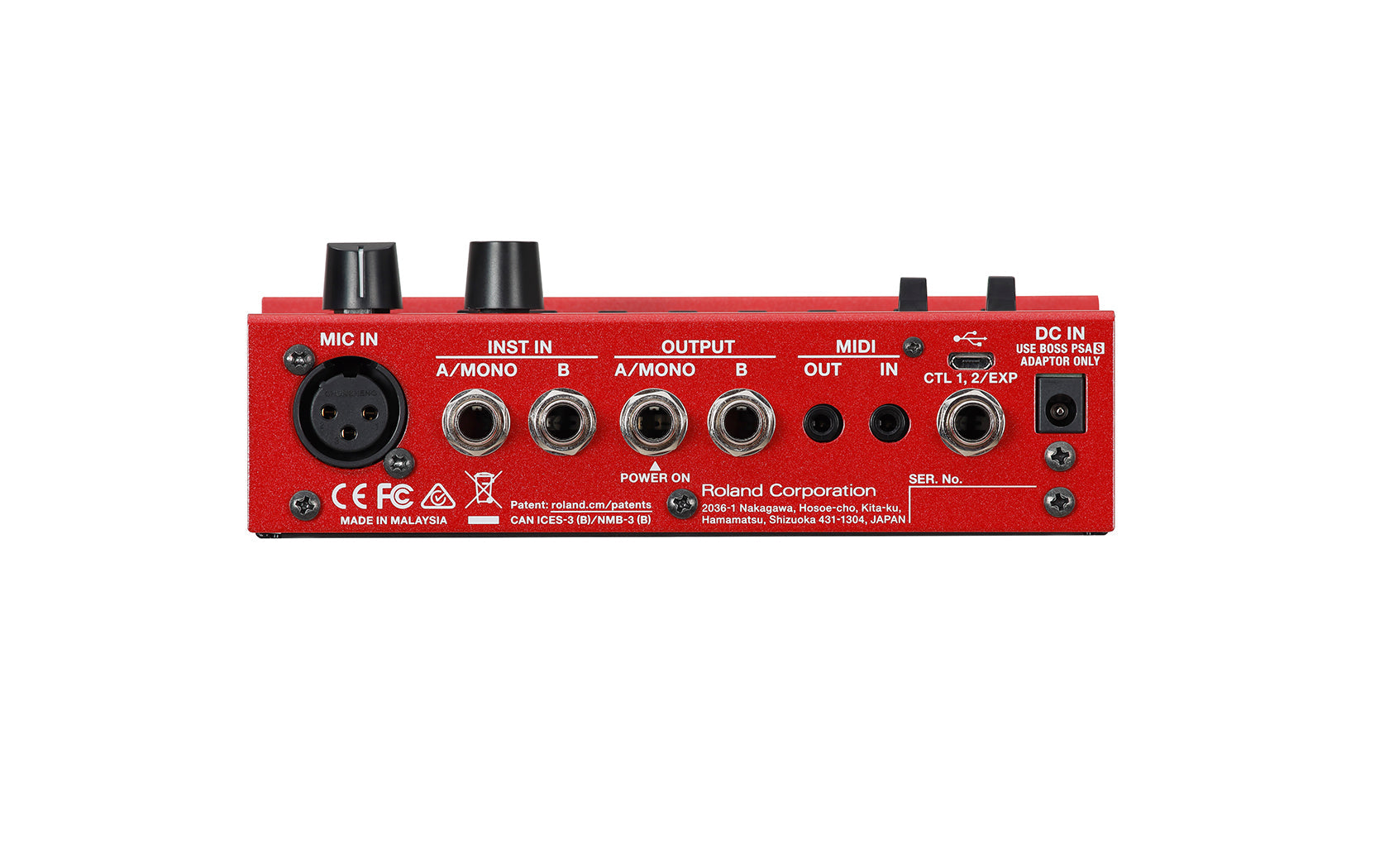
Consider whether you need mono or stereo connections, microphone inputs, MIDI, USB or connections for external footswitches.
Rhythm and Effects
Built-in rhythms and effects can make practice more enjoyable and provide additional creative possibilities.
Who Are Loop Pedals For?
Loop pedals are suitable for:
-
Guitarists practising scales, solos and improvisation
-
Singer-songwriters building complete arrangements
-
Bassists developing timing and layered parts
-
Keyboard players creating ambient textures
-
Solo performers expanding their live sound
-
Beginners learning rhythm and chord changes
-
Experienced musicians exploring new creative ideas
Popular Loop Pedal Brands
BOSS Loop Stations
BOSS is one of the best-known names in looping. Its Loop Station range covers compact, beginner-friendly pedals through to advanced multi-track performance systems.
DigiTech Loopers
DigiTech loopers are known for combining straightforward looping with useful creative and performance features. Selected models also provide rhythm and accompaniment tools.
MXR Loopers
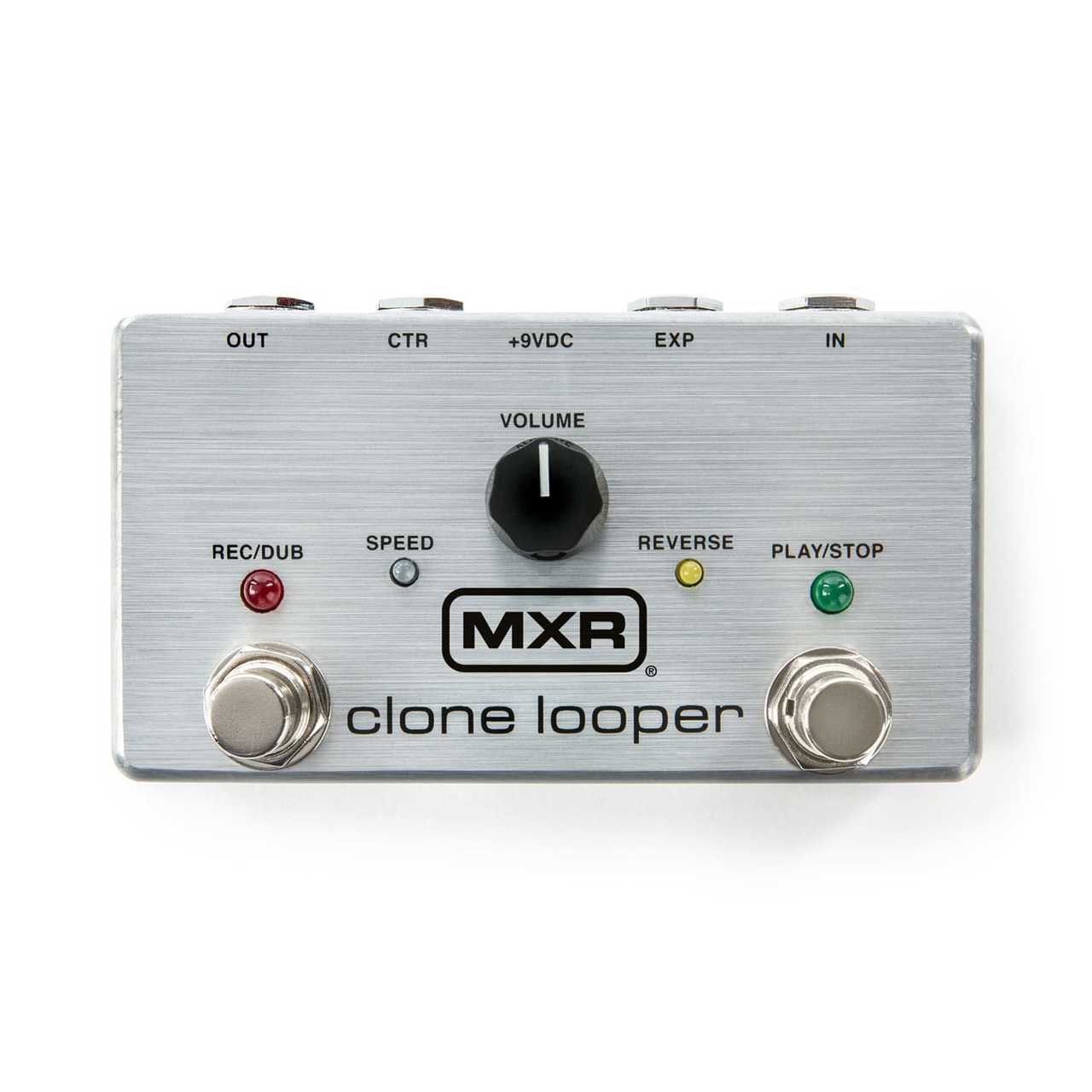
MXR loop pedals offer a compact, pedalboard-friendly approach with practical hands-on controls for recording, playback and creative loop manipulation.
Using a Loop Pedal at Home
A looper is an excellent practice companion. Record a chord progression, start the loop and practise scales, melodies or solos over the top.
Listening back to your own playing can also help identify timing problems, inconsistent dynamics and areas that need more practice.
Using a Loop Pedal Live
For live performance, look for a pedal with controls that are easy to operate while standing.
Separate switches for stopping and starting, clear visual indicators, reliable memory and additional inputs can make a significant difference on stage.
Why Buy from Fair Deal Music?
Fair Deal Music has helped musicians find the right equipment since 1987.
Our experienced team can help you compare loop pedals, understand the available features and choose a model that suits your instrument, experience, performance needs and budget.
Shop online with fast UK delivery or visit our Birmingham showroom for friendly, practical advice from musicians who understand the equipment.
Buy • Sell • Trade
Looking to upgrade your pedalboard?
Fair Deal Music buys and part-exchanges a wide range of guitars, effects pedals, amplifiers and musical equipment. Trade in your existing gear and put its value towards your next looper or effects setup.
Frequently Asked Questions
What is the best loop pedal for beginners?
A simple compact looper with straightforward record, play, overdub, stop and undo functions is normally the best place to start.
Can I use a guitar looper with a bass or keyboard?
Yes. Many loop pedals can be used with guitars, basses, keyboards and other instruments, provided the connections and signal levels are suitable.
Do I need two footswitches?
Not necessarily. Single-switch pedals are compact and affordable, while two-switch models can make stopping and controlling loops easier during live use.
Can I save loops when the pedal is switched off?
This depends on the model. Some pedals include internal memory for saving loops, while simpler models may only retain the current recording.
Can I connect a microphone to a loop pedal?
Only loopers with a suitable microphone input can accept a microphone directly. Always check the connections and specifications before purchasing.
Can loop pedals create drum and bass parts?
Some advanced loopers include built-in rhythm patterns, while selected models can generate or provide accompaniment alongside your recorded loop.
Do loop pedals require a power supply?
Most loop pedals require a compatible power supply, batteries or both. Check the individual product listing, as a power supply may not be included.
Find Your Next Loop Pedal at FDM
Explore our most popular loop pedals and Loop Stations online, or speak to the Fair Deal Music team for help choosing the right looper for practice, songwriting, recording or live performance.